
 Algeria
 Egypt
 Libya
 Morocco
 Sudan
 Tunisia
 Benin
 Burkina Faso
 Cabo Verde
 Côte d'Ivoire
 Ghana
 Guinea
 Guinea-Bissau
 Liberia
 Mali
 Mauritania
 Niger
 Nigeria
 Sierra Leone
 The Gambia
 Togo
 Cameroon
 Central African Republic
 Chad
 DR Congo
 Equatorial Guinea
 Gabon
 Republic of the Congo
 São Tomé and Príncipe
 Burundi
 Comoros
 Djibouti
 Eritrea
 Ethiopia
 Kenya
 Madagascar
 Malawi
 Mauritius
 Mozambique
 Rwanda
 Seychelles
 Somalia
 South Sudan
 Tanzania
 Uganda
 Angola
 Botswana
 Eswatini
 Lesotho
 Namibia
 South Africa
 Zambia
 Zimbabwe
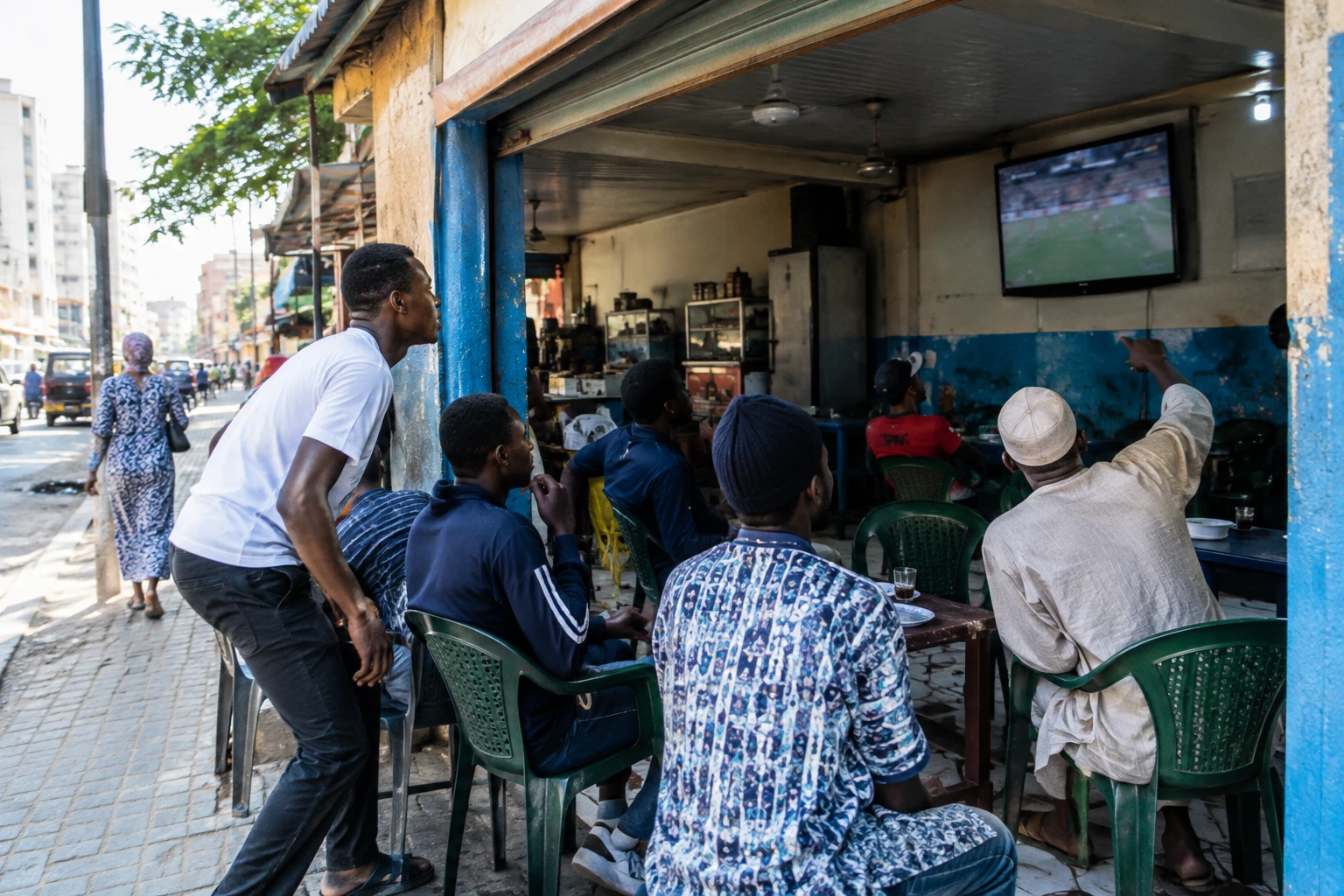
A home victory can change the mood of a tournament. On Wednesday 4 November, Senegal’s young players snatched a 5-4 futsal win over Panama after letting a three-goal lead slip. In Dakar, the comeback has revived their campaign and added particular significance to the first edition of the Youth Olympic Games to be held on the African continent.
A comeback that revives Group A
Senegal needed points after a difficult start against Argentina. The Argentinians won 9-2 on the opening day, according to the Senegalese Press Agency (APS). The match against Panama was therefore an important fixture in their bid to stay in contention for the semi-finals.
At the Iba-Mar-Diop complex, Senegal’s players initially took control of the match. They led 3-0 at half-time. But Panama fought its way back, equalised, and the teams were then level at 4-4. Senegal scored the decisive goal in the final seconds, APS reports. The FIFA schedule confirms that this Group A match was played in Dakar on 4 November.
Coach Balla Moussa Baldé praised his team’s commitment and character. He particularly noted that the players had not given up after Panama’s equaliser. This response matters as much as the result: it shows how a young team can stick to its game plan under pressure, without glossing over the mistakes that allowed its opponents back into the match.
For the players and the supporters in the stands, the win has immediate significance. It partly makes up for the heavy opening defeat, but does not guarantee qualification. In a group stage, the standings also depend on the other teams’ results and the final matchday. A narrow victory is therefore not enough, by itself, to secure a place in the next round.
Dakar, a stage for a continental event
The Youth Olympic Games, often known as the YOG, bring together athletes aged 14 to 17 in a competition that combines sport, educational activities and cultural encounters. Dakar 2026 runs from 31 October to 13 November. It is the first time an Olympic event has been held in Africa, an important symbol for the continent’s sporting movement.
The events are not confined to the Senegalese capital. They are spread across Dakar, Diamniadio and Saly. Futsal is initially being played at the Iba-Mar-Diop complex, before the final group matches and knockout stage are due to take place at the Dakar Arena in Diamniadio. This arrangement distributes the competitions across several venues and puts Senegalese facilities at the centre of an international event.
The men’s tournament features eight teams from several confederations, including Senegal, Morocco, Argentina, Portugal, Panama and the Solomon Islands. This diversity gives the young teams the chance to face different styles of play. For Senegal, the sporting challenge also comes with a host’s responsibility: welcoming the delegations and bringing the competition to local audiences.
In West Africa, the YOG are taking place in a region where ECOWAS — the Economic Community of West African States — brings countries together through regional cooperation. The event is not run by the organisation, but it gives Dakar international visibility and could encourage exchanges between sports stakeholders in the region. It also serves as a reminder that the ability to host major events is built through training, coordination and experience, not just the presence of facilities.
The challenge of turning a welcome into a lasting legacy
A successful competition is also measured by what remains after the ceremonies: skills acquired, access to facilities, programmes for young people and sporting activity beyond the Olympic venues. These benefits are not automatic. They depend on how the facilities and expertise are used after 13 November, and on whether local clubs and communities can access them.
The benefits may also vary by location and group. Residents living near the venues have greater exposure to the competition and its activities, while young people in other regions may be further removed from them. Organisers, federations and companies involved in the Games can gain valuable experience. For families, the value will depend more on access to sporting activities and the tangible opportunities available to their children.
Senegal’s win over Panama thus makes for a powerful image, but does not sum up the Games’ legacy. It tells the story of a team that managed to regain the lead at a decisive moment. The broader question is one of continuity: how can this exposure also benefit young athletes who are not competing and the local organisations that support them?
A decisive final matchday
Senegal still have to face Afghanistan on Friday 7 November at 17:30, according to the schedule published by FIFA. The match will bring the Lions’ group stage to a close. The result will determine whether the win over Panama opens the way to the semi-finals or remains an isolated resurgence in a tough group.
Senegal’s performance resonates beyond futsal. By hosting the first Youth Olympic Games held in Africa, Senegal is taking part in a continent-wide conversation about representation, organisation and the legacy of international sport. For Dakar, the challenge is now twofold: to continue the tournament on the pitch and ensure the experience gained serves Senegalese sport for years to come.



