Algeria
 Egypt
 Libya
 Morocco
 Sudan
 Tunisia
 Benin
 Burkina Faso
 Cabo Verde
 Côte d'Ivoire
 Ghana
 Guinea
 Guinea-Bissau
 Liberia
 Mali
 Mauritania
 Niger
 Nigeria
 Senegal
 Sierra Leone
 The Gambia
 Togo
 Cameroon
 Central African Republic
 Chad
 DR Congo
 Equatorial Guinea
 Gabon
 Republic of the Congo
 São Tomé and Príncipe
 Burundi
 Comoros
 Djibouti
 Eritrea
 Ethiopia
 Kenya
 Madagascar
 Malawi
 Mauritius
 Mozambique
 Seychelles
 Somalia
 South Sudan
 Tanzania
 Uganda
 Angola
 Botswana
 Eswatini
 Lesotho
 Namibia
 South Africa
 Zambia
 Zimbabwe
When returning home becomes a social test
In Rwanda, the return of a relative who has settled abroad is not seen simply as a family visit. It often becomes a small social event, charged with expectations, curiosity and sometimes misunderstandings. In everyday conversation, the popular word umudiyasipora refers to a Rwandan living outside the country, especially in Europe, Canada or the United States, but it says much more than simply where someone lives.
Behind the term lies an image: that of someone who has succeeded elsewhere, who has money, comfort and an enviable lifestyle. This idea did not come from nowhere. It is rooted in the still widespread belief that the West remains a place of abundance and opportunity. From this perspective, a Rwandan living abroad is no longer just a relative or friend: they become a symbol of possible success.
This perception circulates within families, in neighbourhoods and on social media. It influences conversations, romantic relationships and even material expectations. The word has become part of everyday language, to the point where it sums up an entire imaginary world. But that world often rests on a simple mistake: confusing international mobility with automatic prosperity.
One word, many realities
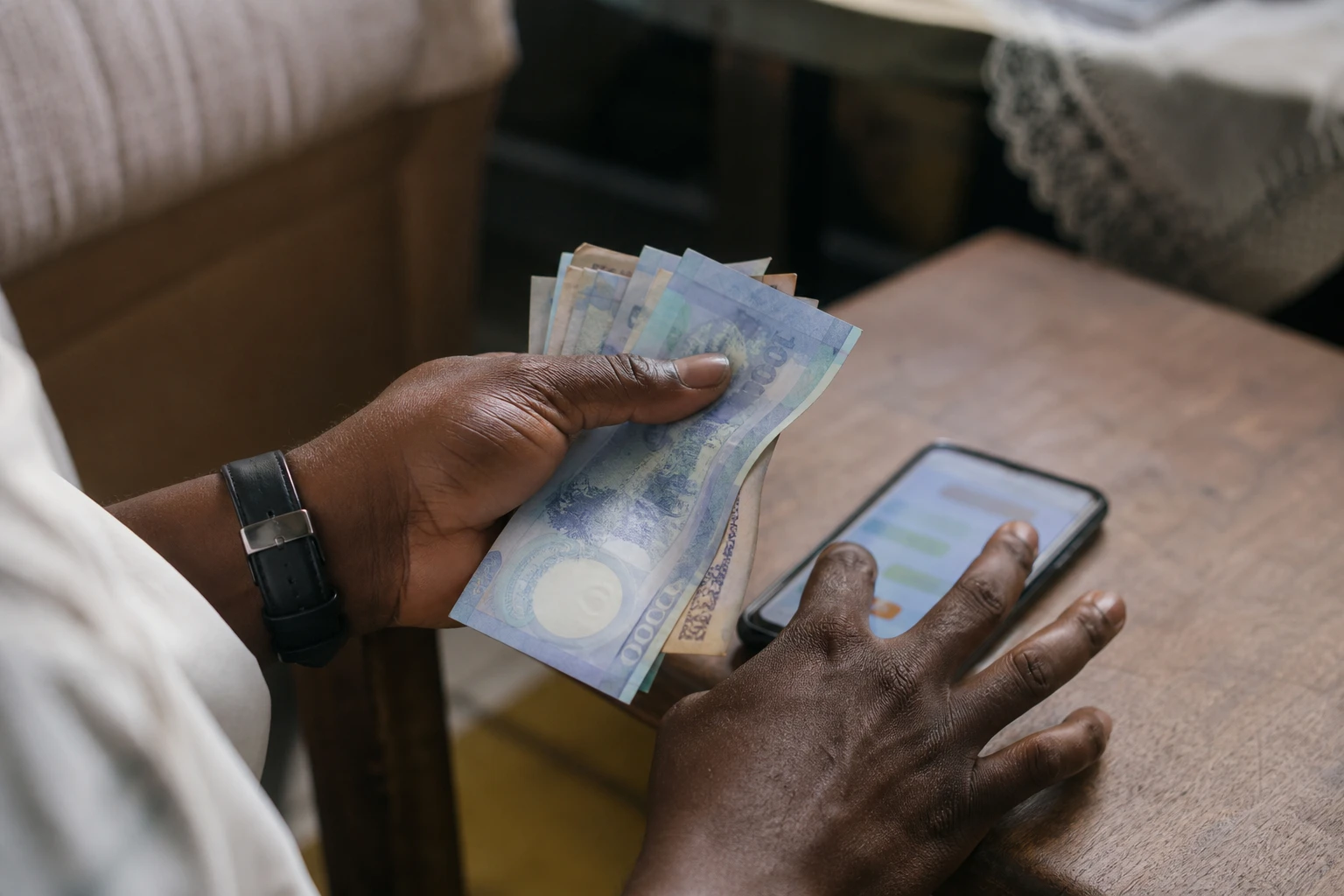
Rwanda is part of the East African Community, a region where the movement of people, money and ideas is becoming increasingly intense. In this context, the Rwandan diaspora occupies a particular place. It sends money, supports relatives and maintains ties with the country. These remittances are real. They matter in family budgets, sometimes helping to pay for education, healthcare or small business projects.
But the reality experienced by Rwandans abroad is often more complex than the image attached to them when they return. Some have stable jobs, while others move from one short-term contract to the next. Some are still studying; others are repaying debts. Still others face high rents, intense administrative pressure or a sense of isolation. Money may be sent home, but it is not enough on its own to sum up a life.
This is where the gap becomes interesting. In Rwanda, the umudiyasipora is sometimes imagined as a walking wallet. In reality, they may be in debt, cautious, discreet or simply tired. The term thus stages an enduring tension between the collective dream and individual experience. It says as much about what people hope for as about what migrants choose to show.
This ambiguity is reinforced by temporary returns home. During their visits, many Rwandans living abroad try to project a solid image of themselves. They wear carefully chosen clothes, speak with confidence and sometimes display an ease that does not always reflect their real situation. This is not merely a performance. It is also a response to social pressure: returning without seeming to have succeeded invites questions, judgement and sometimes mockery.
Economic expectations weigh on family relationships
The phenomenon goes far beyond folklore. It affects household finances and bonds of solidarity. In many Rwandan households, the extended family expects the member who has gone abroad to contribute more than others. This expectation is understandable. When local incomes are modest, the diaspora appears to be a source of support. But it can also become a heavy symbolic burden to bear.
As the idea of a wealthy diaspora takes hold, relationships change. A friendship may be seen as an opportunity. A romantic relationship may be assessed in terms of a possible escape from precarity. A family visit may turn into an inventory of the gifts expected. The term umudiyasipora then sums up a social relationship in which affection, self-interest and material aspirations mingle without entirely merging.
This dynamic is not unique to Rwanda, but it takes on a particular character there. In a country that has experienced profound ruptures and rebuilt itself with determination, the outside world is often still seen as a source of resources. The diaspora thus becomes an extension of the country, but also a distorting mirror. It reassures, intrigues and inspires, and sometimes irritates.
In this context, laughter plays an essential role. Comedy scenes, sketches and productions shared online exploit precisely the gap between what members of the diaspora claim and what they are really like. This laughter is not incidental. It serves to puncture illusions, reminding people that exile is no guarantee of wealth and that life abroad is not necessarily better than life back home.
A cultural figure that also speaks to contemporary Rwanda
The popularity of the umudiyasipora says a great deal about contemporary Rwanda. On the one hand, it shows the strength of transnational ties. On the other, it reveals the persistence of inequalities and dreams of social mobility. When a popular word takes hold in this way, it often touches on a shared truth: that people in a country watch closely those who have left and those who return.
This figure should not, however, be reduced to a caricature. The Rwandan diaspora is not a homogeneous bloc. It includes students, skilled workers, entrepreneurs, long-established families and people in precarious situations. It contributes to the country’s profile abroad, the transfer of skills, cultural exchange and, at times, investment. In other words, it is not merely a projection of fantasies; it is also a concrete social actor.
Perhaps the most interesting thing, ultimately, is this in-between state. The umudiyasipora lives between three narratives: the one they know from their actual life abroad; the one they choose to present when they return to Kigali; and the one those around them construct for them, sometimes with admiration, sometimes with irony. This triple affiliation explains the richness of the word. It does not simply name an expatriate. It describes a shifting social position, shaped by expectations, performances and the possibility of disillusionment.
Across East Africa, this figure also points to a broader reality: international mobility continues to reshape local imaginations. It generates hopes, remittances and stories of success, but also tensions between those who leave and those who stay. In Rwanda, the word umudiyasipora captures this contradiction with remarkable precision. It speaks of distance, but also of connection. It speaks of projection, but also of doubt. That is precisely why it has found a place in everyday language.