Algeria
 Egypt
 Libya
 Morocco
 Sudan
 Tunisia
 Benin
 Burkina Faso
 Cabo Verde
 Côte d'Ivoire
 Ghana
 Guinea
 Guinea-Bissau
 Liberia
 Mali
 Mauritania
 Niger
 Nigeria
 Senegal
 Sierra Leone
 The Gambia
 Togo
 Cameroon
 Central African Republic
 Chad
 DR Congo
 Equatorial Guinea
 Gabon
 Republic of the Congo
 São Tomé and Príncipe
 Burundi
 Comoros
 Djibouti
 Eritrea
 Ethiopia
 Kenya
 Madagascar
 Malawi
 Mauritius
 Mozambique
 Seychelles
 Somalia
 South Sudan
 Tanzania
 Uganda
 Angola
 Botswana
 Eswatini
 Lesotho
 Namibia
 South Africa
 Zambia
 Zimbabwe
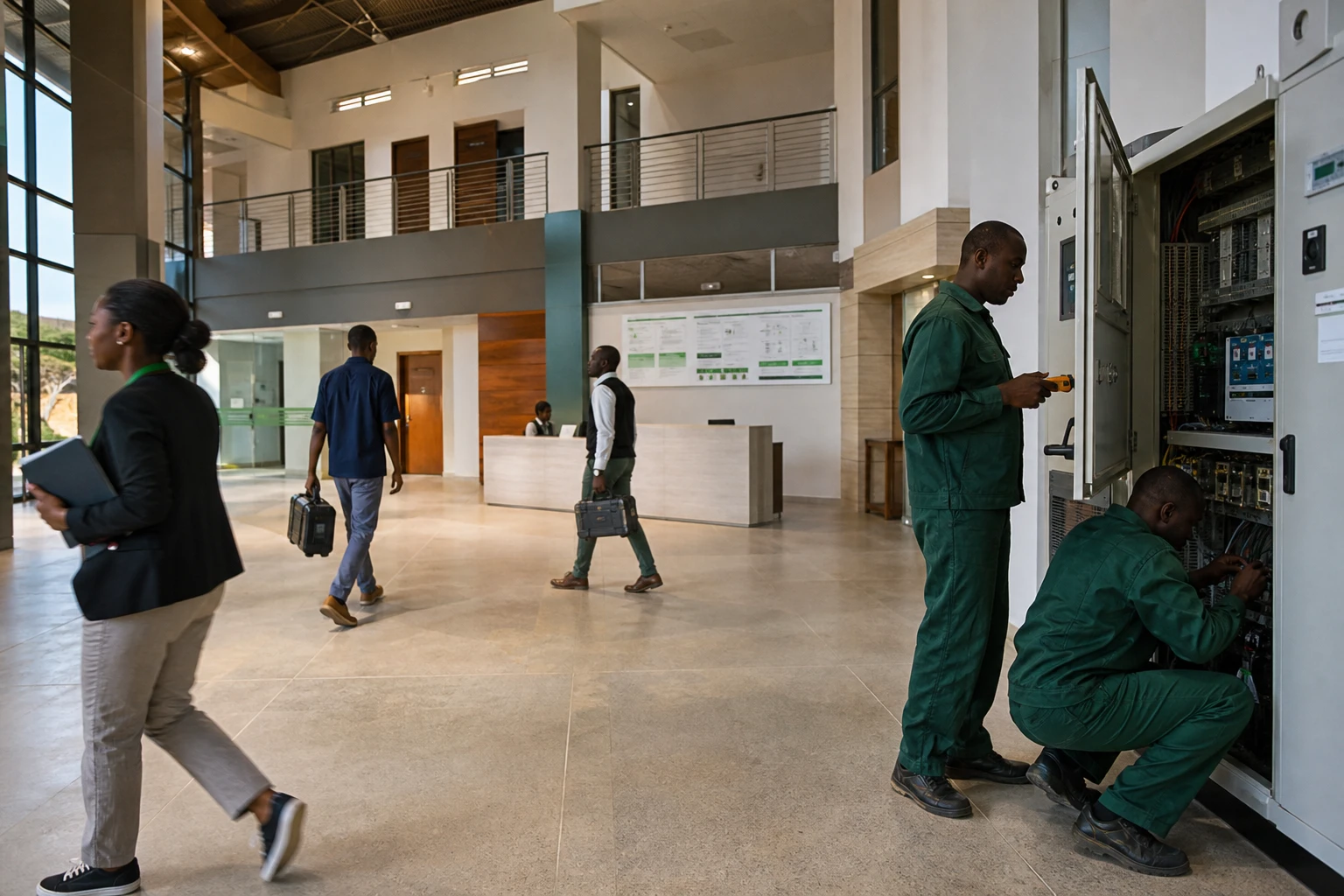
Cooling is becoming a development issue, not just a matter of comfort. It protects food, vaccines and digital data. It also puts pressure on electricity grids and the climate. From Kigali, Rwanda now wants to accelerate a collective response to this challenge.
A coalition relaunched around an African agreement
On 23 September 2026, in New York, Rwanda, Brazil and the United Kingdom launched the “Friends of the Kigali Amendment”. The political coalition aims to give fresh impetus to the agreement adopted in 2016 in the Rwandan capital.
The Kigali Amendment supplements the Montreal Protocol, the international treaty that protects the ozone layer. It provides for the gradual reduction of hydrofluorocarbons, or HFCs. These gases are widely used in air conditioners and refrigeration equipment. Their global warming potential can be very high.
The new coalition has four priorities. It aims to accelerate implementation of the agreement, improve the energy efficiency of appliances, strengthen refrigerant management, and facilitate access to funding, technology and skills.
The foundations involved in the initiative have announced a target of $100 million in philanthropic funding. This amount is intended to complement public resources and funding from the Montreal Protocol’s Multilateral Fund. It does not replace existing intergovernmental mechanisms.
The launch statement specifies that the coalition remains voluntary. It is intended to strengthen the institutions of the Montreal Protocol, not create a parallel structure. Its next meeting is scheduled for Kigali, from 2 to 6 November 2026, during the 38th Meeting of the Parties to the Montreal Protocol, known as MOP38.
Why demand for air conditioning is growing rapidly
Global demand for cooling is rising rapidly. The number of installed air conditioners could increase from 1.6 billion units in 2018 to 5.6 billion in 2050. This growth will be particularly significant in countries where incomes are rising and heatwaves are becoming more frequent.
The challenge, then, is not simply to replace one gas with another. Equipment must also be built to use less electricity; technicians must be trained; imports must be monitored; and systems must be organised to recover refrigerants at the end of their useful life.
This approach has a direct bearing on African economies. A reliable cold chain limits post-harvest losses and helps producers sell in more distant markets. In health centres, it protects vaccines, medicines and some blood products. In cities, it eases pressure on electricity grids that are already under strain.
Cooling also affects informal businesses. Small shops, fresh-produce vendors and workshops often rely on equipment that is expensive to buy and costly to run. More efficient appliances can cut these costs, provided their prices and maintenance remain affordable.
Rwanda aims to turn its diplomatic role into practical solutions
For Rwanda, the initiative forms part of an established national course. The country has a national cooling strategy and is developing the Rwanda Cooling Initiative, known as R-COOL. The policy seeks to make equipment more efficient and less harmful to the climate.
In Kigali, the Coolease mechanism is intended to enable suppliers and consumers to acquire efficient appliances without having to bear the full cost upfront. The scheme involves, among others, the Rwanda Green Fund, the Business Development Fund and partners specialising in energy efficiency.
The country is also developing the African Centre of Excellence for Sustainable Cooling and Cold Chain. Based in Kigali, the regional centre is intended to strengthen training, innovation and technology transfer in sustainable cooling and cold chains.
This approach addresses very practical needs in Rwanda. In agriculture, cold rooms and collection equipment can reduce losses and improve the marketing of milk, fruit and vegetables. In urban areas, air-conditioner efficiency is becoming an issue for buildings, shops and digital services.
Rwanda is also working to control regulated substances. According to the Rwanda Environment Management Authority, the country has introduced a licensing and quota system. Customs officers and refrigeration technicians have been trained to inspect products and encourage safer alternatives.
A financial as well as technological challenge
The $100 million pledge will, however, have to translate into measurable projects. Needs go beyond research. They also include equipment purchases, training, maintenance and upgrading local businesses.
Funding will above all have to reach countries and stakeholders with less room to manoeuvre. Large operators can often replace their equipment. Small businesses, rural health facilities and farmers remain more exposed to the upfront cost of equipment.
The workforce will also be decisive. An efficient appliance loses some of its advantages if it is poorly installed or maintained using unsuitable refrigerants. The transition therefore requires trained technicians, clear standards and recovery systems that can operate beyond capital cities.
The Montreal Protocol’s Multilateral Fund will retain a central role. It supports developing countries in reducing HFCs and building their capacity. Philanthropic funding can accelerate some pilot projects, but its impact will depend on how well it is aligned with national policies and public budgets.
From Kigali to East Africa, a test of climate co-operation
The Kigali Amendment could avoid up to 0.5 degrees Celsius of warming by 2100, according to estimates cited by the institutions responsible for the Montreal Protocol. Further gains are possible if HFC reductions are accompanied by greater energy efficiency.
For East Africa, this issue extends beyond Rwanda. The East African Community, which includes Rwanda, Kenya, Uganda, Tanzania, Burundi, South Sudan, the Democratic Republic of the Congo and Somalia, could provide a useful forum for harmonising standards, training and customs checks.
The next step will be political and operational. In Kigali in November 2026, governments will have to clarify their commitments, track the funding announced and review progress on ratification. As of August 2026, 174 of the 198 parties to the Montreal Protocol had ratified the Kigali Amendment.
Above all, the meeting will make it possible to assess whether the international pledge reaches everyday users. For households, health centres, farmers and African businesses, the agreement’s success will be measured less by statements than by the price and availability of equipment, and its ability to operate sustainably.