Algeria
 Egypt
 Libya
 Morocco
 Sudan
 Tunisia
 Benin
 Burkina Faso
 Cabo Verde
 Côte d'Ivoire
 Ghana
 Guinea
 Guinea-Bissau
 Liberia
 Mali
 Mauritania
 Niger
 Nigeria
 Senegal
 Sierra Leone
 The Gambia
 Togo
 Cameroon
 Central African Republic
 Chad
 DR Congo
 Equatorial Guinea
 Gabon
 Republic of the Congo
 São Tomé and Príncipe
 Burundi
 Comoros
 Djibouti
 Eritrea
 Ethiopia
 Kenya
 Madagascar
 Malawi
 Mauritius
 Mozambique
 Rwanda
 Seychelles
 Somalia
 South Sudan
 Uganda
 Angola
 Botswana
 Eswatini
 Lesotho
 Namibia
 South Africa
 Zambia
 Zimbabwe
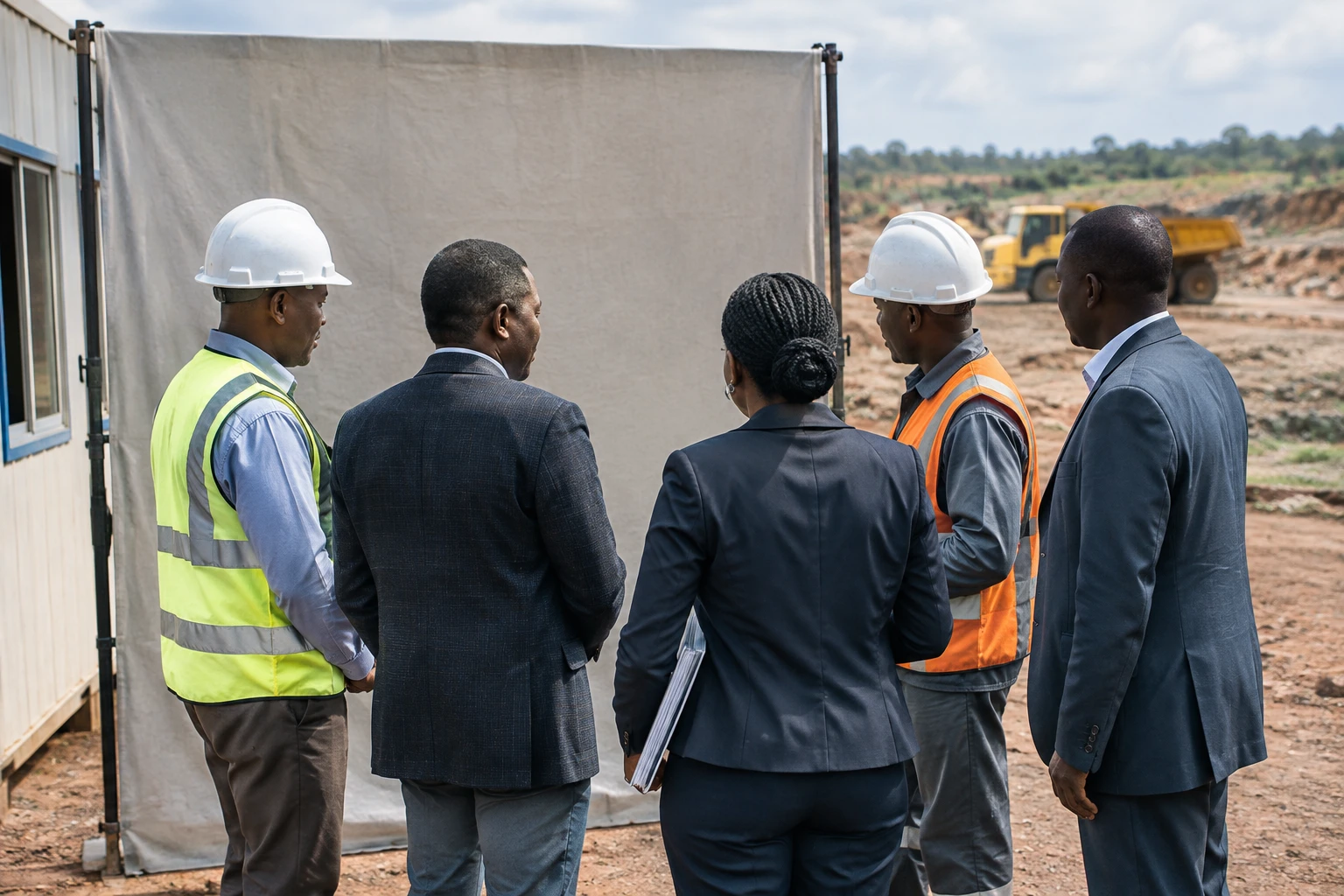
A fall in production over three months does not necessarily mean Perseus Mining is off track. The Australian group now faces a dual challenge: keeping its West African mines running and successfully commissioning Nyanzaga in Tanzania in early 2027.
Quarterly production down, but above plan
Between July and September 2026, Perseus produced 92,551 ounces of gold, compared with 109,013 in the previous quarter. The decline was clear, but the company said the result exceeded its plan for the period. The two findings are not contradictory: the first compares two quarters, while the second measures production against an internal target.
The decline affected the three sites currently contributing to the group’s production: Yaouré and Sissingué in Côte d’Ivoire, and Edikan in Ghana. Sissingué produced 20,073 ounces, compared with 28,161 in the previous quarter. The company said the site had nevertheless exceeded expectations. Production at Yaouré and Edikan also fell quarter on quarter.
Perseus maintained its forecast of 420,000 to 480,000 ounces for its 2027 financial year, which ends in June. The range includes about 55,000 ounces expected from Nyanzaga during the first months of production counted in the financial year. These volumes remain forecasts: the group said they could be revised.
The quarterly report of 27 October confirmed that construction in Tanzania was 88.4% complete and that first production was still targeted for January 2027. This update is consistent with information published by Tanzanian daily The Citizen on Nyanzaga’s timeline, which reported in May that the target remained the first quarter of 2027.
Nyanzaga, a step change for the group
The project is in Sengerema District, in the Mwanza Region, near Lake Victoria. Perseus plans to invest about $523 million. According to the company’s estimates, the mine could produce more than 200,000 ounces a year for 14 years, within a total mine life now estimated at 16 years.
This timeline matters to the group. Nyanzaga is set to become its fourth African mine and reduce its dependence on its current operations in West Africa. Perseus aims to exceed average annual production of 500,000 ounces between 2026 and 2030. But achieving that target will depend on the performance of existing sites, adherence to the Tanzanian schedule and the new facility’s ramp-up.
Perseus owns 80% of the project; the Tanzanian government holds the remaining 20% through the local joint-venture structure. The ownership split gives the government a direct stake, while production, jobs and local procurement will also determine the tangible benefits for the country.
Construction is drawing on a largely Tanzanian workforce and national suppliers, according to information reported by The Citizen on local spending linked to the construction project. These benefits will come before the first gold sale: wages, contracts awarded to businesses and public revenue can support the economy even before commercial operations begin. Their scale and distribution will, however, need to be assessed over time, particularly for communities near the site.
Benefits to track beyond production figures
At national level, Nyanzaga forms part of the mining sector’s growing role in Tanzania’s economy. For the government based in Dodoma, the partnership combines an equity stake, tax revenue and the promise of local procurement. For residents of the Mwanza Region, the stakes are more immediate: access to jobs, training, contracts for local businesses and the impact of construction on land and water resources.
The mine plans to draw some of its water from Lake Victoria, with additional supplies from boreholes, according to Perseus Mining’s overview of Nyanzaga. This makes environmental monitoring particularly important in a region where the lake is shared by several countries and supports many livelihoods. Water-management commitments will need to be assessed on the basis of their implementation, not just the plans announced.
The regional dimension is also tangible. Tanzania is a member of the East African Community (EAC), which brings together several interconnected economies through trade and infrastructure. Mining development can boost suppliers, transport and services beyond the site itself. But regional benefits will depend on the links actually established with local businesses and workers, rather than on metal exports alone.
For Perseus, the next test will be the start of production announced for January 2027, followed by Nyanzaga’s ability to reach its planned volumes gradually. The September quarter shows that existing mines can produce less than in the previous period while still exceeding their plan. It also shows why the Tanzanian launch carries so much weight in the group’s ambitions: the new mine must turn a growth project into actual production, with benefits for Tanzania and the region still to be verified.