
 Algeria
 Egypt
 Libya
 Morocco
 Sudan
 Tunisia
 Benin
 Burkina Faso
 Cabo Verde
 Côte d'Ivoire
 Ghana
 Guinea
 Guinea-Bissau
 Liberia
 Mali
 Mauritania
 Niger
 Senegal
 Sierra Leone
 The Gambia
 Togo
 Cameroon
 Central African Republic
 Chad
 DR Congo
 Equatorial Guinea
 Gabon
 Republic of the Congo
 São Tomé and Príncipe
 Burundi
 Comoros
 Djibouti
 Eritrea
 Ethiopia
 Kenya
 Madagascar
 Malawi
 Mauritius
 Mozambique
 Rwanda
 Seychelles
 Somalia
 South Sudan
 Tanzania
 Uganda
 Angola
 Botswana
 Eswatini
 Lesotho
 Namibia
 South Africa
 Zambia
 Zimbabwe
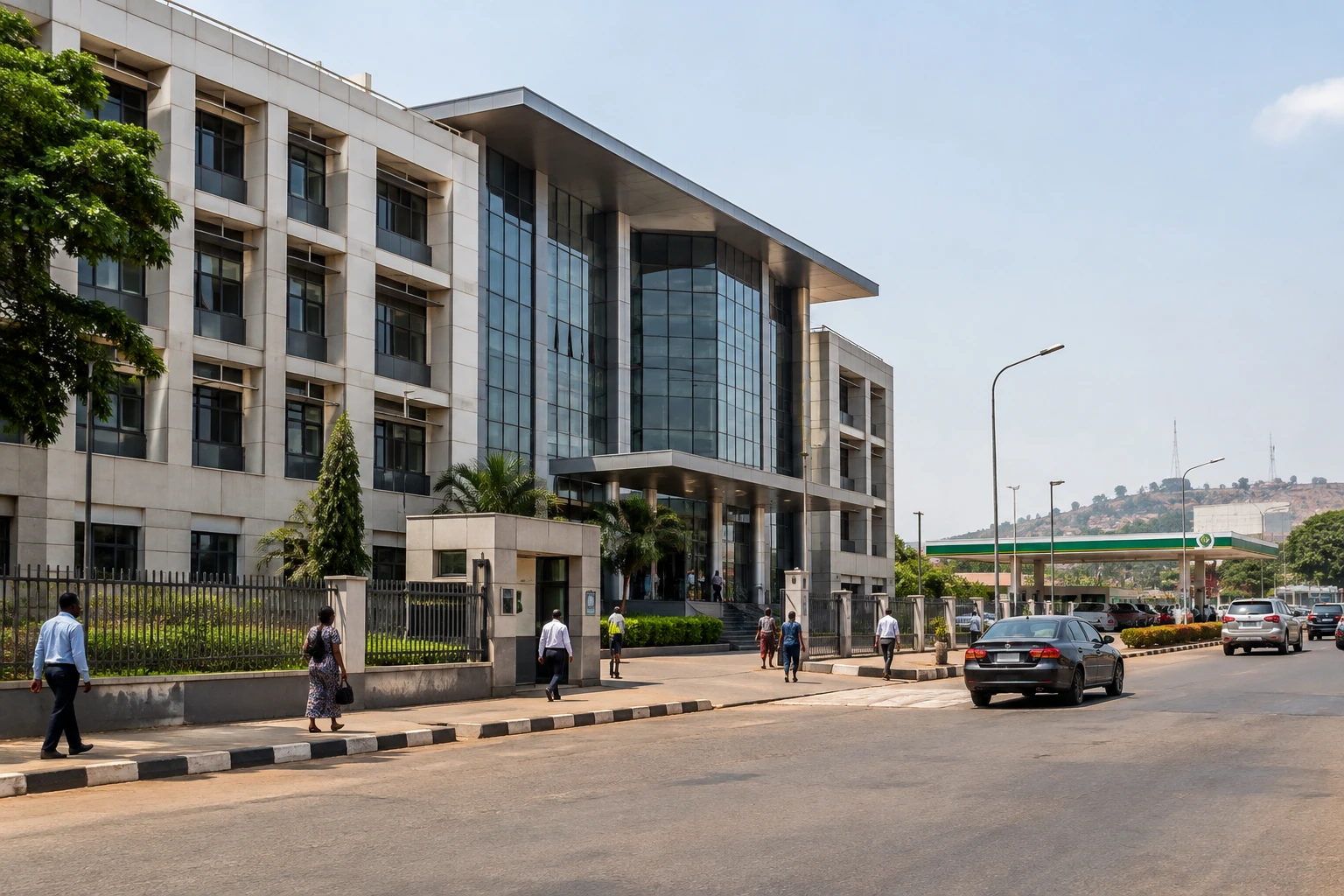
In Abuja and other Nigerian cities, petrol prices have a direct impact on journeys, deliveries and the cost of goods. Ahead of the 2027 presidential election, the debate is as much about reducing prices at the pump as it is about the bill and who will bear it.
Two levers, two views of the cost
President Bola Tinubu is banking on temporary measures linked to distribution and cost stabilisation. Former vice-president Atiku Abubakar, the African Democratic Congress (ADC) candidate, instead advocates support for local production, notably by supplying Nigerian refineries with crude at reduced prices.
The disagreement comes amid a shift that began in May 2023, when the government abolished the blanket petrol subsidy. Since then, prices have been more directly exposed to global oil prices, the naira exchange rate, and transport and distribution costs. The measure was intended to reduce the burden on public finances, but price rises are passed on to households and businesses.
On 11 October, the presidency challenged the feasibility of Atiku’s proposal. Presidential adviser Sunday Dare says that, of national production of about 1.8 million barrels of crude a day, less than 700,000 could be freely mobilised by the government. He cites production costs, royalties and contracts with oil partners. These figures are provided by the presidency and do not, on their own, establish the cost or scale of the scheme proposed by the ADC. Details of the presidency’s arguments on crude volumes report this position.
Atiku’s team presents its mechanism as capped, included in the budget and subject to audits. It wants access to discounted crude to be conditional on a reduction in the price of locally refined fuels. But the discount, volumes involved, duration and annual cost have not been specified publicly in the information available. Without these parameters, it is difficult to compare the proposals’ effectiveness or their impact on public finances.
Immediate measures, but uneven access
The government has announced several responses to rising prices. NNPC Retail, the retail arm of the state-owned oil company, launched a discount of 66 naira per litre on 1 October, extended until 31 October. In Abuja, checks published on 10 October found a price of 1,339 naira per litre for customers using the NNPC app and paying online, compared with 1,405 naira at the counter. The discount therefore depends on a digital tool and does not automatically apply to every motorist. Observed prices and the conditions for accessing the NNPC discount illustrate this practical limitation.
On 8 October, Finance Minister Taiwo Oyedele also announced that NNPC Retail would forgo its petrol margin for 30 days and sell at the cost of supply. The presidency presents this measure as a commercial effort by the company, not a return to a subsidy funded directly from the budget. However, it has not been established whether this waiver fully stacks with the 66-naira-per-litre reduction. The official announcement of the stabilisation measures also provides for a negotiated cap of 1,350 naira per litre on the cost at the refinery gate or on imports.
This cap does not set a guaranteed price at the pump. Under the announced scheme, refiners and importers would temporarily absorb costs above the threshold, and could later recover the difference when the market allows. The mechanism is to be reviewed each month. Its implementation will therefore depend on the calculation, transparency and reimbursement rules that are ultimately adopted.
The dispute concerns more than economic instruments. Atiku is asking who bears the cost of the NNPC discount and what will happen after the temporary measures end. The government says it is maintaining a market-based pricing system while cushioning fluctuations. For workers who rely on public transport, small traders and delivery businesses, the issue is tangible: a cut reserved for some customers or limited in time does not necessarily mean a lasting reduction in fares and prices.
Local refining changes the equation
The Nigerian market is also evolving as the Dangote refinery ramps up operations. According to data from oil regulator NMDPRA for August 2026, Nigeria received an average of 50.5 million litres of petrol a day: 35.9 million from domestic production and 14.6 million from imports. The Dangote refinery alone accounted for nearly 71% of the volumes received. The state-owned refineries in Port Harcourt, Warri and Kaduna were not producing during the period. Figures on Nigeria’s August supply, published from NMDPRA data document this shift.
Local production reduces dependence on imports of refined fuels, but it does not automatically guarantee cheaper petrol. Prices also depend on crude, refining, transport, margins and the exchange rate. The dominant position of a single producer in domestic supply also makes the terms of sales to distributors and the authorities’ ability to monitor the market decisive.
The issue ties in with regional debates on energy security in West Africa. ECOWAS, the Economic Community of West African States, is seeking to strengthen trade and infrastructure between countries, while price fluctuations and supply difficulties cross borders. For Nigeria, the region’s leading crude producer, developing refining can reduce some imports; the gains from production must still be passed on to consumers.
Ahead of 2027, the comparison between the two camps will therefore depend on details still to come: the actual cost of the support proposed by the ADC, the terms and duration of the government measures, access to the NNPC discount and the rules governing the supply cap. The decisive test will be whether these choices translate into prices people actually pay, in major cities as well as less well-served areas.



