Algeria
 Egypt
 Libya
 Morocco
 Sudan
 Tunisia
 Benin
 Burkina Faso
 Cabo Verde
 Côte d'Ivoire
 Ghana
 Guinea
 Guinea-Bissau
 Liberia
 Mali
 Mauritania
 Niger
 Senegal
 Sierra Leone
 The Gambia
 Togo
 Cameroon
 Central African Republic
 Chad
 DR Congo
 Equatorial Guinea
 Gabon
 Republic of the Congo
 São Tomé and Príncipe
 Burundi
 Comoros
 Djibouti
 Eritrea
 Ethiopia
 Kenya
 Madagascar
 Malawi
 Mauritius
 Mozambique
 Rwanda
 Seychelles
 Somalia
 South Sudan
 Tanzania
 Uganda
 Angola
 Botswana
 Eswatini
 Lesotho
 Namibia
 South Africa
 Zambia
 Zimbabwe
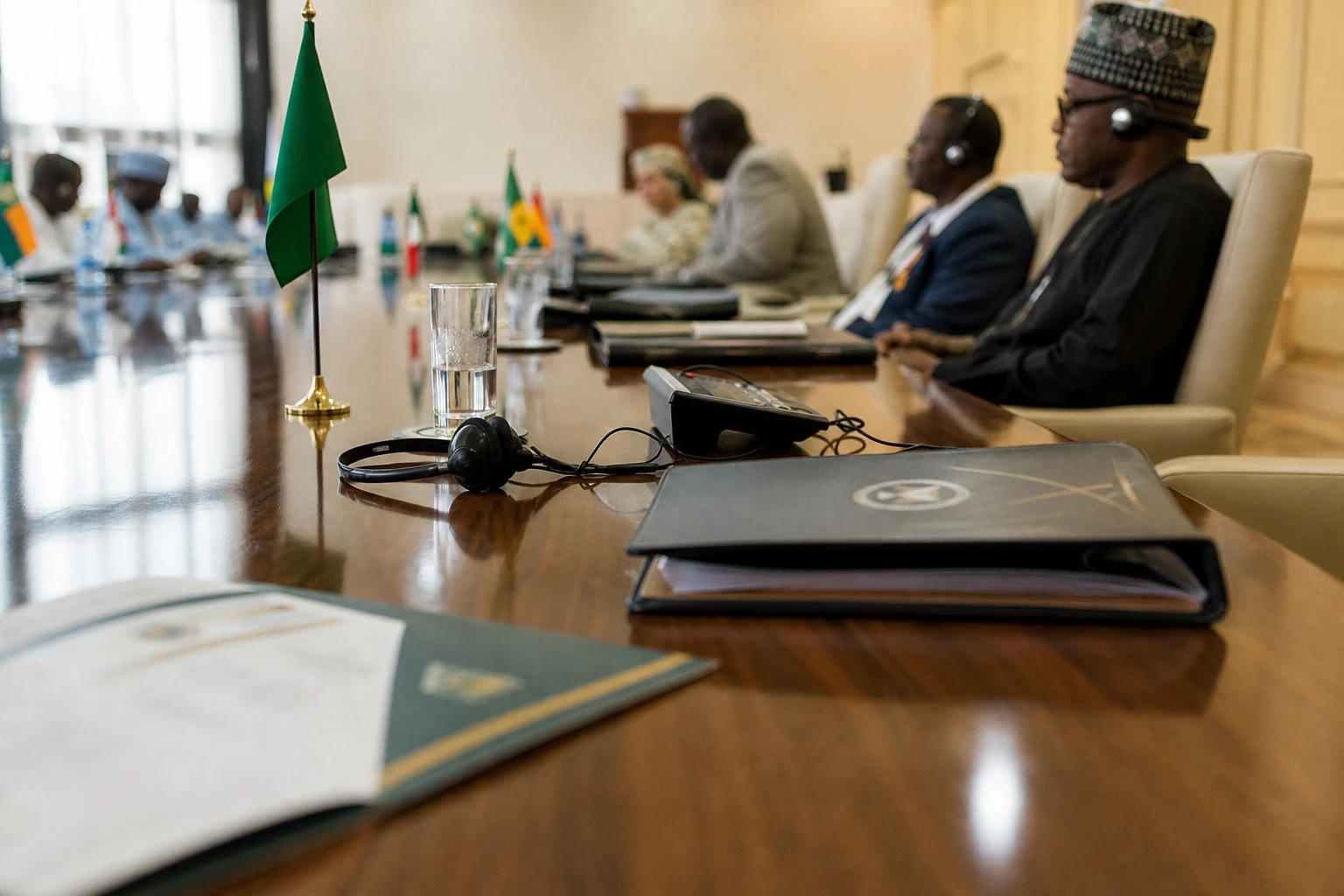
Minna shaken by a case that goes beyond a simple police matter
In central Nigeria, an arrest linked to illegal mining has turned into a human tragedy. In Minna, the capital of Niger State, the deaths of dozens of suspects in custody raise a broader question: how can mineral resources be secured without allowing procedure to descend into negligence, or even a public health disaster?
The issue directly affects a large, mineral-rich and strategically important state. The official website of the Niger State government notes that the state, whose administrative capital is Minna, is among the country’s richest in agricultural, energy and mineral resources. It is also home to major national infrastructure such as Kainji, Jebba and Shiroro. In other words, what is happening there goes beyond local boundaries.
What we know about the deaths in custody
On Thursday 17 September 2026, Governor Mohammed Umaru Bago announced the deaths of around 37 people suspected of illegal mining, who were being held by the Nigerian Security and Civil Defence Corps, the NSCDC. The arrests took place on 15 and 16 September during operations around M.I. Wushishi and Lukoto, according to initial local confirmations and accounts published in Abuja and Minna.
The NSCDC itself confirmed the deaths of suspects in custody, initially raising the possibility of a disease outbreak. At the same time, an intelligence report cited by several media outlets described another possibility: overcrowding at the detention site and inadequate ventilation. The Associated Press also reported the testimony of a survivor, who said that 65 detainees had been crammed into a poorly ventilated cell. At this stage, these details remain to be confirmed by the investigation.
The governor announced three days of mourning in Niger State. He also decided to postpone the start of the local election campaign ahead of the 2027 polls, while Nigeria’s Independent National Electoral Commission has scheduled legislative and presidential elections for 16 January 2027, followed by governorship elections on 6 February 2027. The decision gives immediate political weight to a case that began as a matter of security and the law.
A mining state, informal economies and intense security pressure
Niger State is not merely a backdrop. It is an area where artisanal mining attracts thousands of workers, often without a stable administrative safety net. The state government itself introduced a bill on “responsible mining” in November 2024, explaining that illegal mining fuels loss of life, environmental degradation, school dropouts and insecurity. The current crisis confirms that mining has become a governance issue there, not just a matter of public order.
The NSCDC, which is responsible for protecting critical national assets and combating economic sabotage in particular, says it has stepped up its crackdown on illegal mines. Its official website describes this mission as central to its work, and the corps says it has arrested several thousand suspects in recent years in various cases, including illegal mining. But operational effectiveness does not remove the need for basic safeguards in detention, especially when dozens of people are held in a confined space.
The situation also highlights tensions between the formal economy and the survival economy. In Niger State, artisanal gold remains a source of income for families, young people and mobile workers. At the same time, local officials and analysts have already linked extortion at mining sites, forced levies and the presence of criminal groups to the security of mining areas. When the state cracks down, it must therefore avoid reinforcing the idea that repression is a substitute for the rule of law.
Why this case matters in Nigeria and beyond
In Nigeria, mining intersects with several urgent issues: economic diversification, internal security, control of value chains and protection of the communities that depend on artisanal mining. The Minna case is a reminder that a policy against illegal mining should be measured not only by the number of arrests, but also by institutions’ ability to keep detainees alive, document deaths and punish any failings.
The regional implications are real. Minna lies in a part of West Africa where minerals circulate, workers move and criminal networks know how to cross the country’s internal borders as well as those of the ECOWAS sub-region, the Economic Community of West African States. In cases like this, the dividing line is clear: the state can protect its resources, but it must do so without turning detention into a deadly risk.
What happens next will depend on the investigation opened by the police and the NSCDC authorities, the results of medical examinations at Minna General Hospital, and the degree of transparency about the exact number of deaths, the victims’ ages and status, and the circumstances of their arrests. In Nigeria, where preparations for the 2027 elections are already under way, this case could also become a test of credibility for the authorities in the country’s central region.