
 Algeria
 Egypt
 Libya
 Morocco
 Sudan
 Tunisia
 Benin
 Burkina Faso
 Cabo Verde
 Côte d'Ivoire
 Ghana
 Guinea
 Guinea-Bissau
 Liberia
 Mali
 Mauritania
 Niger
 Senegal
 Sierra Leone
 The Gambia
 Togo
 Cameroon
 Central African Republic
 Chad
 DR Congo
 Equatorial Guinea
 Gabon
 Republic of the Congo
 São Tomé and Príncipe
 Burundi
 Comoros
 Djibouti
 Eritrea
 Ethiopia
 Kenya
 Madagascar
 Malawi
 Mauritius
 Mozambique
 Rwanda
 Seychelles
 Somalia
 South Sudan
 Tanzania
 Uganda
 Angola
 Botswana
 Eswatini
 Lesotho
 Namibia
 South Africa
 Zambia
 Zimbabwe
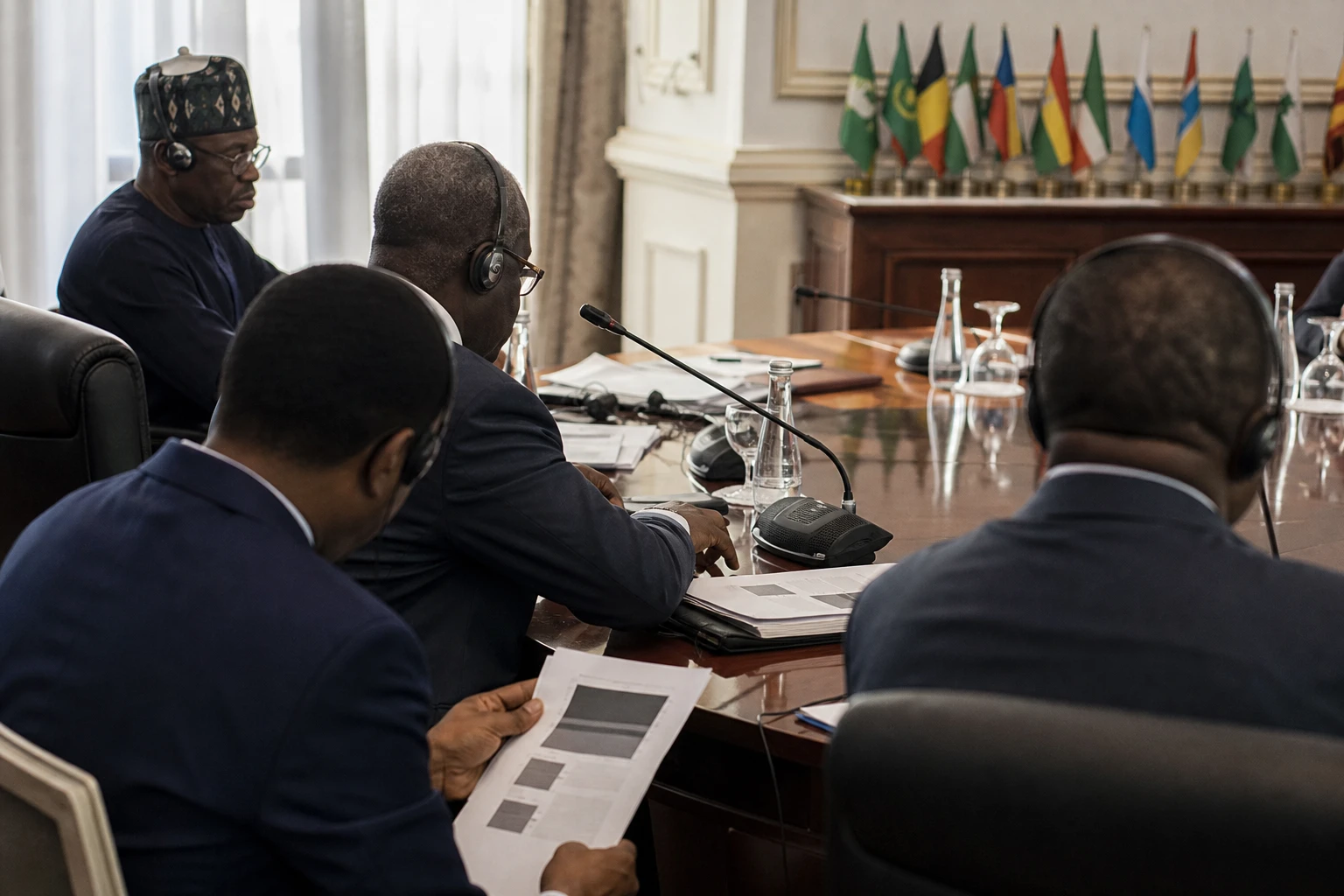
In Minna, anger goes beyond the prison tragedy
In Minna, capital of Niger State, a detention case has suddenly taken on national significance. It touches on security, the right to life and the already fragile trust between residents and the forces responsible for upholding the law. In a country where artisanal gold mining provides a livelihood for thousands of families, the issue is no longer just illegal mining. It also concerns how the state treats suspects after arrest.
Nigeria acted quickly. In Abuja, the presidency and the Ministry of Interior announced an independent inquiry after 37 people held by the Nigeria Security and Civil Defence Corps (NSCDC) died. The paramilitary force is responsible, among other things, for protecting infrastructure and supporting efforts to combat certain forms of trafficking. The response comes amid a broader crackdown on illegal gold mining, a sector where economic interests, local communities and security services often collide.
What is known about the deaths in custody
The facts established so far are as follows. Between 15 and 16 September 2026, NSCDC officers carried out an operation in the M.I. Wushishi and Lukoto areas, near Minna. Dozens of people suspected of illegal gold mining were arrested. On 17 September, 37 of them were found dead in a detention cell. The bodies were transferred to Minna General Hospital for forensic examination.
The authorities have yet to determine the exact cause of death. The NSCDC initially cited a possible disease outbreak. Survivors, meanwhile, described an overcrowded, poorly ventilated cell and a situation in which people were suffocating. Niger State Governor Mohammed Umaru Bago later spoke of possible deaths by asphyxiation, while urging caution until medical examinations and autopsies are complete.
The federal government has set up an independent 10-member committee, with two weeks to submit its report. The Minister of Interior has also suspended the officers involved, including the NSCDC commandant in Niger State, pending the findings. The committee includes a former senior intelligence official, a medical expert, a representative of the Minna Emirate Council, a representative of the state government, a miners’ delegate and civil society representatives.
A detention crisis, but also a crisis of governance
Beyond the death toll, the case highlights a wider problem: the handling of mass arrests in mining areas. In Niger State, deposits attract artisanal miners, intermediaries and informal networks. The activity supports the local economy, but also causes land disputes, damage to farmland and clashes over control of territory. Local authorities say they want to regulate the sector more closely. Families, for their part, are first seeking answers about detention conditions and the level of responsibility at each link in the chain.
Public anger in Minna was immediate. Protests broke out after the deaths were announced. Police dispersed the crowd with tear gas, and the authorities imposed a 12-hour curfew after clashes and damage to property. The atmosphere says much about the sensitivity of the case. This is not merely a criminal or administrative matter. It also concerns the relationship between the state and a population demanding accountability when a security operation ends in catastrophe.
For the families, there are two issues at stake. First, they want the victims identified; then they want to know whether they were actually involved in illegal gold mining or whether some were caught up in an overly broad sweep. Accounts published so far differ on the detainees’ ages, status and activities. These details should therefore remain attributed until the inquiry has reached its conclusions.
What this case could change in Nigeria
This case could become a test for Abuja. For months, Nigeria has pursued a tougher line against illegal mining, particularly in the country’s central and north-western regions. But a crackdown without guarantees of safe detention undermines the legitimacy of that policy. If the inquiry confirms serious negligence, the authorities will have to go beyond suspensions and bring prosecutions, or even provide compensation to the families. If it concludes that the deaths had a medical or other cause, it will also have to explain why so many people were held in such precarious conditions.
The signal is equally important at regional level. In West Africa, artisanal gold networks often cross borders, pass through poorly monitored rural areas and feed informal economies that are difficult to regulate. The Economic Community of West African States (ECOWAS) is closely following these dynamics because they intersect with security, local incomes and resource governance. The Minna case is a reminder that the fight against illegal mining cannot be won through arrests alone. It also requires clear procedures, suitable detention facilities and an accountable chain of command.
The next key moment will be the publication of the federal committee’s findings. Until then, the case remains open in the most concrete sense: the exact causes of the deaths, the actual number of people arrested, and how Nigeria intends to prevent an operation against illegal gold mining from turning into another human tragedy.



