
 Algeria
 Egypt
 Libya
 Morocco
 Sudan
 Tunisia
 Benin
 Burkina Faso
 Cabo Verde
 Côte d'Ivoire
 Ghana
 Guinea
 Guinea-Bissau
 Liberia
 Mali
 Mauritania
 Niger
 Senegal
 Sierra Leone
 The Gambia
 Togo
 Cameroon
 Central African Republic
 Chad
 DR Congo
 Equatorial Guinea
 Gabon
 Republic of the Congo
 São Tomé and Príncipe
 Burundi
 Comoros
 Djibouti
 Eritrea
 Ethiopia
 Kenya
 Madagascar
 Malawi
 Mauritius
 Mozambique
 Rwanda
 Seychelles
 Somalia
 South Sudan
 Tanzania
 Uganda
 Angola
 Botswana
 Eswatini
 Lesotho
 Namibia
 South Africa
 Zambia
 Zimbabwe
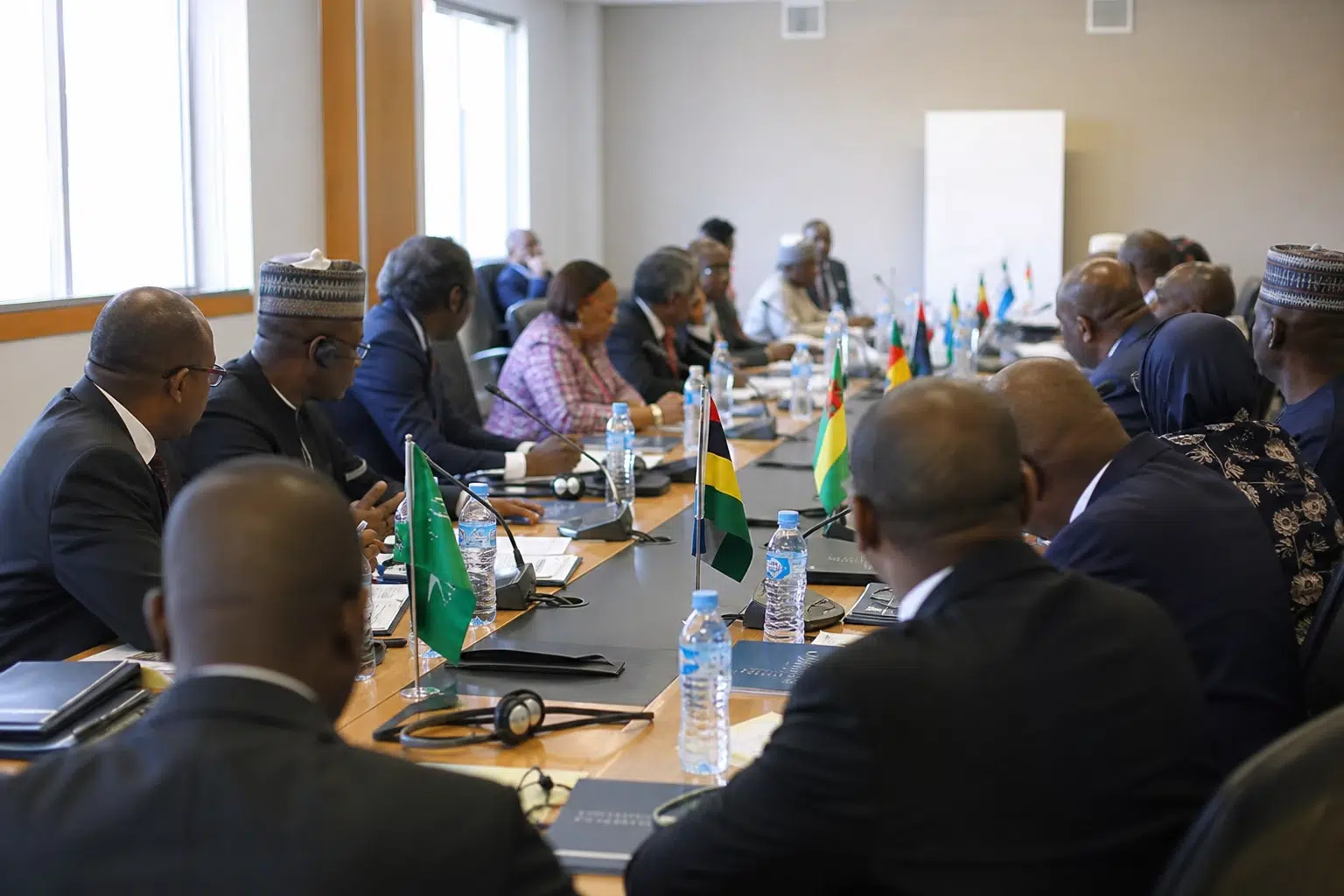
In Minna, the deaths of 37 detainees revive a sensitive question: how can the state regulate artisanal gold mining without losing control of those it arrests?
In Niger State, in central Nigeria, the discovery of 37 people dead in detention caused more than a mere shockwave. It also brought a recurring issue in the country into the spotlight: artisanal mining, often informal, and the way security forces respond to it. In Minna, the state capital, tensions quickly extended beyond the judicial sphere, disrupting daily life as businesses were affected and crowds were dispersed with tear gas.
The case is part of a broader context. Nigeria is one of Africa’s major oil producers, but it is also seeking to diversify its economy through its mineral resources. Niger State, rich in gold, uranium, coal and other minerals, has for years attracted artisanal miners and irregular operators. Local authorities say they want to regulate these activities more effectively, while mining communities often denounce precarious working conditions and heavy-handed interventions. The state government had already announced measures to tackle illegal mining before this crisis.
What is known about the events, and what the inquiry still has to establish
According to federal authorities and media outlets covering the case, the 37 men had been arrested by the Nigeria Security and Civil Defence Corps, the NSCDC, a paramilitary corps responsible in particular for protecting infrastructure and combating certain forms of trafficking. They died inside a detention facility run by the service in Niger State, following operations against mining deemed illegal. Survivors said several people had been crammed into a cell that was too small and poorly ventilated, and that an irritant may have been used before the door was shut. The authorities initially cited a possible illness, before doubts about the conditions of detention took hold in public debate.
In response to the controversy, Nigeria’s presidency ordered an inquiry described as “urgent, exhaustive and transparent”, according to the State House in Abuja. The federal interior ministry then set up an independent ten-member commission. Its members include a former intelligence official, a medical expert, a human rights activist, a representative of the mining sector and figures from local institutions. Its mandate is to establish the circumstances of the deaths, the conditions of the arrests and detention, whether there was negligence, and individual or institutional responsibility.
Meanwhile, 20 NSCDC officers and guards have been suspended, along with their commanding officer, according to federal authorities and several Nigerian media outlets. The Niger State government has also set up an inquiry committee and imposed temporary restrictions on mining activities in certain areas, a sign that the case goes beyond the federal level alone.
A test for Nigeria’s security governance
In Nigeria, deaths in detention always raise two questions: respect for human life and the chain of command. This case exposes a sensitive point in Nigeria’s system. The NSCDC is not an army, but a security corps with a hybrid role, often called upon in areas where conventional forces have little presence. When arrests linked to mining end in tragedy, the boundary between tackling illegal activity and abuse of power immediately becomes political.
For the people of Minna, the stakes are tangible. Families want to know where, how and why these men died. Traders, drivers and small-scale urban workers are meanwhile bearing the immediate effects of the unrest. The protests that followed the deaths led to a police deployment, the use of tear gas and a local curfew, showing that the case has already spilled beyond the circle of miners directly involved.
For Niger State, the case is also an economic one. The region has significant mineral resources, but the lack of stable regulation fuels informality, disputes over land use and the involvement of armed or opportunistic networks. The authorities want to restore order and attract cleaner mining investment. But every poorly conducted operation can undermine the trust of local communities, already facing a survival economy in which artisanal mining remains a source of income.
A local case with West African ramifications
The crisis also extends beyond Nigeria. Across West Africa, artisanal gold mining supports rural economies and cross-border trade networks, while also creating grey areas where smuggling and insecurity thrive. ECOWAS, the Economic Community of West African States, has for years pushed for better integration of regional mining supply chains. But the Nigerian example is a reminder that credible mining policy must go hand in hand with clear arrest procedures, safe places of detention and accountability mechanisms.
Abuja is therefore watching the next steps closely. If the independent commission manages to establish responsibility, the case could set a useful precedent for other Nigerian states facing the same mix of mineral rush, informality and police coercion. If it fails, it will deepen an already profound unease over detention, the use of force and the protection of citizens in mining areas. In a country as vast as Nigeria, the response in Minna will matter far beyond Minna.



