Algeria
 Egypt
 Libya
 Morocco
 Sudan
 Tunisia
 Benin
 Burkina Faso
 Cabo Verde
 Côte d'Ivoire
 Ghana
 Guinea
 Guinea-Bissau
 Liberia
 Mali
 Mauritania
 Nigeria
 Senegal
 Sierra Leone
 The Gambia
 Togo
 Cameroon
 Central African Republic
 Chad
 DR Congo
 Equatorial Guinea
 Gabon
 Republic of the Congo
 São Tomé and Príncipe
 Burundi
 Comoros
 Djibouti
 Eritrea
 Ethiopia
 Kenya
 Madagascar
 Malawi
 Mauritius
 Mozambique
 Rwanda
 Seychelles
 Somalia
 South Sudan
 Tanzania
 Uganda
 Angola
 Botswana
 Eswatini
 Lesotho
 Namibia
 South Africa
 Zambia
 Zimbabwe
Niamey on edge, amid an already strained security apparatus
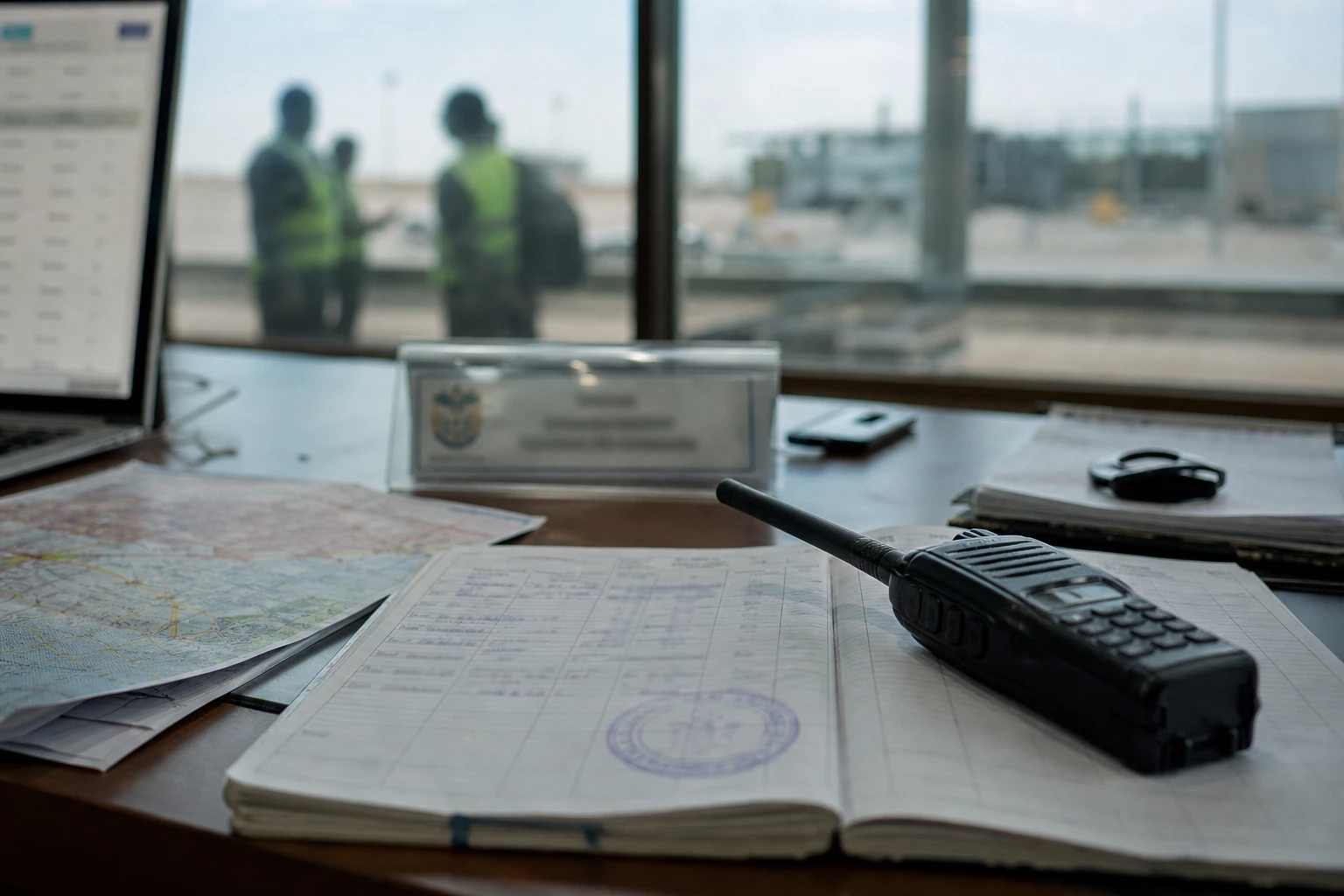
In Niamey, a sharp bang can quickly take on political significance. When gunfire erupts near the airport, a military base and the institutions district, the issue is not just immediate security. It also concerns who really controls the Nigerien capital, as the country remains under military rule.
During the night of Friday 28 to Saturday 29 August 2026, explosions and exchanges of gunfire were heard in several parts of the capital, notably around Diori Hamani International Airport, Air Base 101 and the area around the presidential palace in Niamey. The authorities later described it as a “movement of discontent” among soldiers and said the situation had gradually returned under control.
What Niger’s authorities say
Niger’s defence ministry said a group of soldiers had broken military discipline, detained some of their comrades in the barracks at Base 101, and then fired on sensitive sites in the capital. According to the statement read on national television, the rapid response by the Defence and Security Forces had made it possible to “contain” the incident and “gradually regain control” of the sites targeted. The defence minister, General Salifou Mody, signed the message, which was carried by several African and international media outlets.
The official account emphasises a return to calm. A message published on the channels of the National Council for the Safeguard of the Homeland, the military body in power, urged the public to remain calm and avoid sharing unverified information. At the same time, the National Civil Aviation Agency said airport operations were continuing, a sign that the authorities wanted to head off any perception that Niamey had been paralysed.
So far, no consolidated casualty figures have been made public. The precise identity of those responsible, the true scale of the clashes and the exact degree of control restored by loyal forces have not been independently established. Available sources nevertheless agree on one point: gunfire did hit strategic areas at the heart of the capital’s security and institutional apparatus.
An episode that revives concerns about Niger’s vulnerabilities
Niger has been ruled by the military since the July 2023 coup. Since then, the country has left ECOWAS alongside Mali and Burkina Faso to join the Alliance of Sahel States, a regional platform created by the three transitional governments. This political realignment has changed diplomatic alliances, but it has not removed the security constraints on the ground.
Niamey remains a sensitive location. The capital is home to the international airport, Air Base 101, the presidential buildings and several key government departments. When gunfire erupts there, the symbolism is powerful. It is a reminder that the stability projected by the authorities depends first and foremost on the cohesion of the military apparatus itself. If part of the forces becomes disorganised, the vulnerability affects not only the palace but also transport, public services and residents’ confidence.
The episode also comes amid an already fraught security environment. In January 2026, Air Base 101 was targeted in an attack claimed by the Sahel branch of Islamic State, according to press reports later cited by African media. In June 2026, further gunfire was reported near Niamey airport, before calm returned. These precedents show that the site remains exposed, even when the authorities say they have stepped up surveillance.
What the incident says about the relationship between the army, the capital and the Sahel region
For Nigeriens, the episode could have very tangible effects. In the short term, it is fuelling concern among Niamey residents, airport users and traders in central areas. It is also a reminder that the urban economy depends on smooth movement around strategic infrastructure. As soon as rumours of a coup or mutiny circulate, the cost is not only military; it becomes social and economic.
In the medium term, the episode tests the authorities’ ability to maintain the armed forces’ cohesion. In a regime that emerged from the army, internal discipline is no minor matter. It is a condition of political stability. If the authorities manage to contain the incident quickly, they will preserve their image of control. If unanswered questions persist, the impression of a solid security apparatus could erode, including among regional allies who are closely watching Niger’s trajectory.
At regional level, Niger remains a central link in the Sahel. Its position within the AES brings it closer to Mali and Burkina Faso politically, but all three countries continue to face diffuse armed threats and security apparatuses under pressure. In this context, every incident in Niamey goes beyond the news in Niger alone. It raises questions about the resilience of military transitions in the Sahel, the governance of armed forces and states’ ability to protect their capitals without closing civic space.