Algeria
 Egypt
 Libya
 Morocco
 Sudan
 Tunisia
 Benin
 Burkina Faso
 Cabo Verde
 Côte d'Ivoire
 Ghana
 Guinea
 Guinea-Bissau
 Liberia
 Mali
 Mauritania
 Niger
 Nigeria
 Senegal
 Sierra Leone
 The Gambia
 Togo
 Cameroon
 Central African Republic
 Chad
 DR Congo
 Equatorial Guinea
 Gabon
 Republic of the Congo
 São Tomé and Príncipe
 Burundi
 Comoros
 Djibouti
 Eritrea
 Ethiopia
 Kenya
 Madagascar
 Malawi
 Mauritius
 Mozambique
 Rwanda
 Seychelles
 Somalia
 South Sudan
 Tanzania
 Uganda
 Angola
 Botswana
 Eswatini
 Lesotho
 South Africa
 Zambia
 Zimbabwe

At the petrol pump, in a taxi or on the electricity bill, prices affect Namibian households in different ways. In September 2026, higher transport costs gave inflation fresh impetus, even as its monthly pace slowed.
Fuel drives up the cost of getting around
Annual inflation in Namibia reached 5.4% in September, up from 5% in August and 3.5% in September 2025. The consumer price index data were published on 8 October by the Namibia Statistics Agency (NSA), the national statistics body. A second Namibian publication reported the same annual increase and confirmed transport’s central role.
The month-on-month movement was less pronounced: prices rose by 0.4% in September, after increasing by 0.6% in August. Core inflation, which excludes some highly volatile components, stood at 4%. The monthly slowdown does not mean prices fell: it indicates only that they rose more slowly than in August.
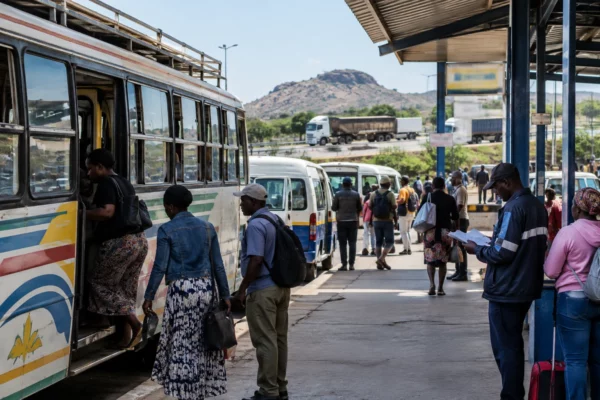
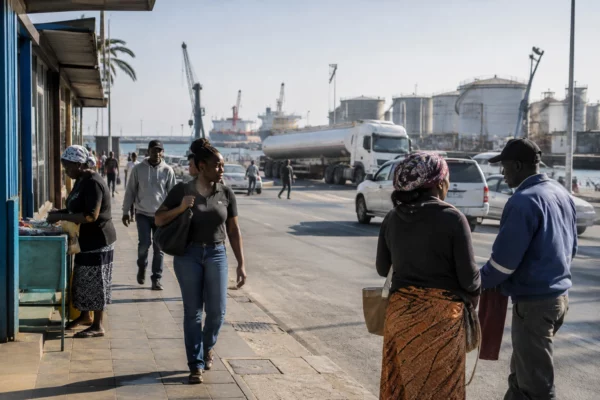
Transport added 2.2 percentage points to overall annual inflation. Prices in the category rose by 14.9% over the year, compared with 1.3% a year earlier. Fuel was a particular factor: petrol and diesel prices increased by 30.4% over 12 months. Fares for several forms of public transport also rose, including taxis, buses and rail.
Housing, water, electricity, gas and other fuels contributed one percentage point. Food and non-alcoholic beverages added 0.8 percentage points. Housing accounts for a large share of the consumption basket tracked by the NSA, while annual food inflation slowed to 4%, from 4.9% in September 2025.
Different effects on different households
Higher fuel prices affect more than the cost of a journey. They can also increase the cost of transporting goods and travelling for work, potentially pushing up prices in shops. This indirect effect is not the same for every product, however, and is not immediate. Households that rely on public transport and those who use a vehicle for work may be affected in different ways.
National figures capture an average: they do not precisely describe every household’s budget. The shares spent on housing, transport or food vary according to income, location and consumption habits. In rural areas, the distances people need to travel can make fuel prices particularly significant. In Windhoek, the capital and the country’s main urban centre, spending on public transport and housing can weigh differently.
The composition of the increase also offers some nuance. Food price growth has eased over the year, but housing and transport costs continue to rise. Overall inflation of 5.4% does not mean every good rose by 5.4%, or that every household feels the same pressure.
The central bank faces a delicate balance
On 11 August, the Bank of Namibia kept its policy rate at 6.75%. The rate affects the cost of funding for banks and, indirectly, credit conditions for households and businesses. The central bank said, among other things, that it wanted to preserve the peg between the Namibian dollar and the South African rand while taking domestic economic conditions into account.
An increase in interest rates could help curb some price pressures, but it would also make borrowing more expensive. Conversely, keeping credit cheaper can support economic activity without offsetting increases driven by energy costs. Monetary policy alone cannot therefore eliminate price rises caused by fuel.
The economic situation makes this balancing act more difficult. In its assessment published in May 2026, the International Monetary Fund noted the continued decline in diamond exports in 2025, despite higher revenues from gold and uranium. The IMF also said rising fuel prices had already fed through to transport costs. This external assessment must be considered alongside the country’s productive realities: the mining, agricultural and services sectors are not all developing at the same pace and do not pass on costs in the same way.
A shared challenge in Southern Africa
Namibia is a member of the Southern African Development Community (SADC), which brings neighbouring countries together for economic and regional co-operation. Its dollar is pegged to the South African rand. Monetary, trade and logistical ties with South Africa make regional developments important for import costs and domestic prices, although they do not, on their own, explain every change in Namibia.
For the authorities, the next challenge will be to distinguish a temporary fuel-price shock from an increase that spreads persistently to services and everyday goods. For households, the national average is no substitute for keeping track of essential spending. Monthly price movements, transport fares and the Bank of Namibia’s next decisions will help show whether the rise seen in September continues.
Sources consulted: Namibian data on September inflation, changes in transport fares, Bank of Namibia policy rate decision, IMF economic assessment of Namibia and Namibia profile on the SADC website.