Algeria
 Egypt
 Libya
 Morocco
 Sudan
 Tunisia
 Benin
 Burkina Faso
 Cabo Verde
 Côte d'Ivoire
 Ghana
 Guinea
 Guinea-Bissau
 Liberia
 Mali
 Mauritania
 Niger
 Nigeria
 Senegal
 Sierra Leone
 The Gambia
 Togo
 Cameroon
 Central African Republic
 Chad
 DR Congo
 Equatorial Guinea
 Gabon
 Republic of the Congo
 São Tomé and Príncipe
 Burundi
 Comoros
 Djibouti
 Eritrea
 Kenya
 Madagascar
 Malawi
 Mauritius
 Mozambique
 Rwanda
 Seychelles
 Somalia
 South Sudan
 Tanzania
 Uganda
 Angola
 Botswana
 Eswatini
 Lesotho
 Namibia
 South Africa
 Zambia
 Zimbabwe
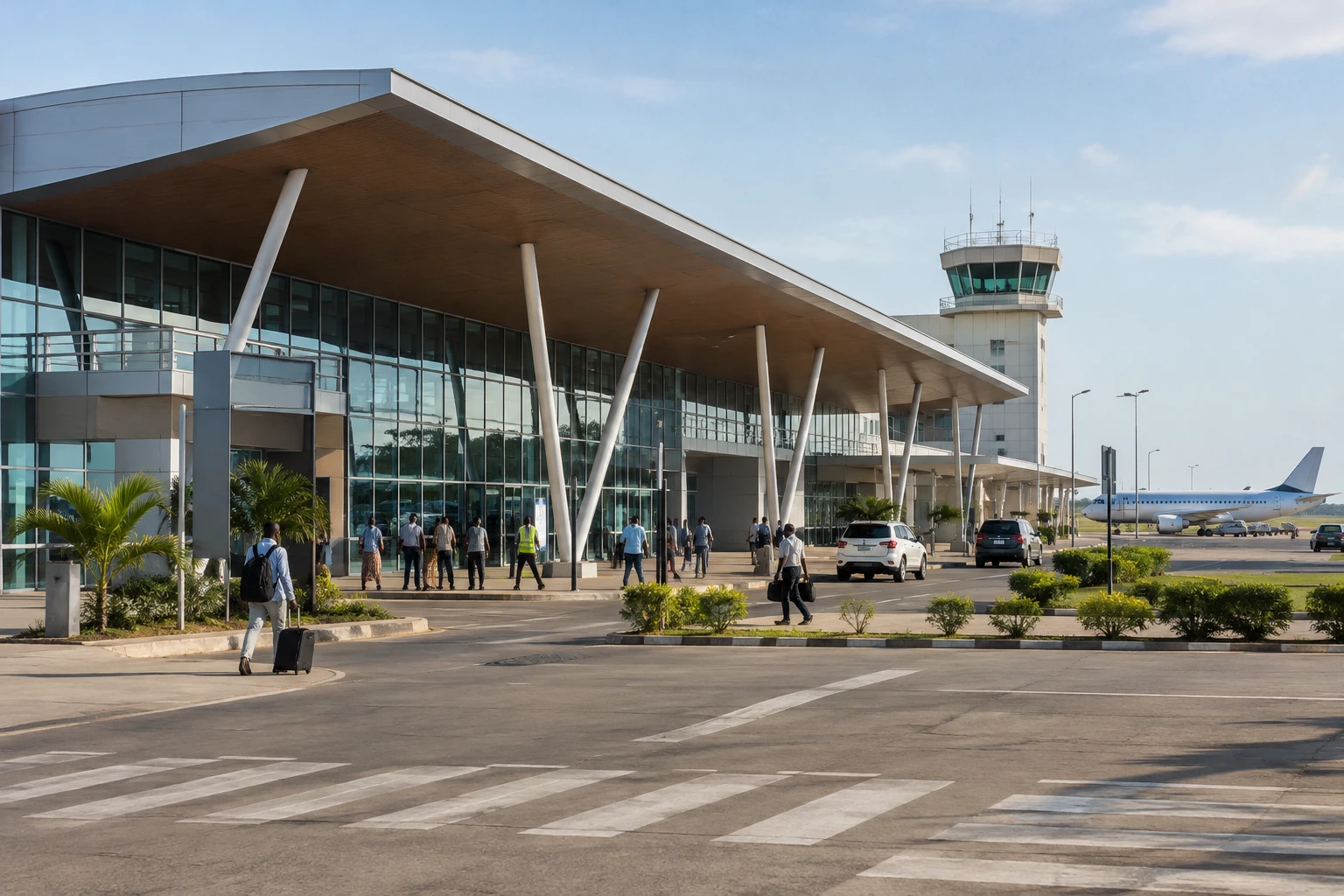
The launch of an international air link in Nacala complements a transport network already geared towards regional trade. Since 27 October 2026, the city in northern Mozambique has been connected to Addis Ababa three times a week. For businesses and travellers alike, the challenge now will be to turn this new gateway into regular, affordable connections.
A regional corridor already centred on Nacala
Nacala is in Nampula province, on Mozambique’s northern coast. Its deep-water port serves the Nacala Corridor, a transport route linking the Mozambican coast to Malawi and, by road and rail, to Zambia. These two landlocked countries rely on regional corridors to move some of their goods to ports.
The project’s cross-border dimension goes back many years. On 7 October 2023, at the ceremony marking the start of the port modernisation works, Mozambique, Malawi and Zambia signed a corridor development agreement. The Southern African Development Community (SADC), a regional economic cooperation organisation, counts Nacala among the routes supporting trade and transport in the region. The Japan International Cooperation Agency has also presented port modernisation as a driver of regional logistics.
The Nacala Special Economic Zone adds an industrial ambition to its role as a transit hub. Established by decree in 2007, it covers the districts of Nacala and Nacala-à-Velha, over 1,539 km². Mozambique’s public investment promotion agency APIEX lists prospects there in logistics, industry and agro-processing, among other sectors. It says the site has a port, an airport, a national road and a rail link. APIEX’s information on the special economic zone describes the infrastructure and authorised projects.
Three flights a week, with a stop in Malawi
Ethiopian Airlines inaugurated its Nacala service on 27 October, making it the airline’s third destination in Mozambique after Maputo and Beira. Flights are scheduled for Tuesdays, Thursdays and Saturdays. The service connects Addis Ababa to Nacala via Blantyre, in Malawi, while the return journey to the Ethiopian capital is advertised as non-stop. The airline plans to use a Boeing 737-8. Ethiopian Airlines’ published schedule sets out the operating days and route.
The inauguration and the start of scheduled flights were also reported by Mozambican media, including Diário Económico and IKWELI. Both publications say the inaugural flight arrived in Nacala on Tuesday 27 October. The announced frequency offers a regular service, but only on three days a week.
In Addis Ababa, passengers will be able to connect to other destinations in the airline’s network. Ethiopian Airlines says it serves more than 65 destinations in Africa. For residents and businesses in northern Mozambique, this connection could reduce the need to travel first via Maputo or a foreign hub. However, it does not mean that every destination will be reachable without a wait, or that journeys will automatically become cheaper.
An economic promise, with benefits yet to be measured
The new service addresses a tangible gap: the distance between the north’s economic centres and major international air networks. Professionals in Nampula and Nacala could save time on business trips. Investors, visitors and business partners targeted by the airline will have an additional route. But the announcement gives no traffic forecasts, fares or investment figures associated with the service.
Its impact will also depend on local factors. An air link makes travel easier, but cannot replace the roads, railways or logistics services businesses need. The benefits may initially be concentrated around the airport, tour operators and companies able to pay for international tickets. For small businesses and travellers on more modest incomes, fares and the reliability of connections will be decisive.
Access to Nacala is not just about passenger transport. The port, railway and N13 road connect territories and sectors with different needs. Better air services could support business travel and trade in services; on their own, however, they do not guarantee that jobs or investment will be spread across neighbouring districts. Development pledges will therefore need to be tested against observable results: passenger numbers, flight continuity, new business activity and benefits for Mozambican suppliers.
A new piece in Africa’s aviation integration
The route brings two African countries closer while giving Nacala an additional connection to markets served from Addis Ababa. It adds to a corridor already organised around cooperation between Mozambique, Malawi and Zambia. For SADC, the links between air, port, road and rail transport remain a regional connectivity priority. Each mode meets different needs, but coordination among them can reduce breaks in supply chains.
Progress will be measured less by inauguration speeches than by the regularity of flights and how they are used. The next useful indicators will be whether the three weekly services are maintained, whether fares are affordable and whether local businesses can incorporate the route into their activities. The connection is now a reality for northern Mozambique. Its economic significance, however, remains to be established.