Algeria
 Egypt
 Libya
 Morocco
 Sudan
 Tunisia
 Benin
 Burkina Faso
 Cabo Verde
 Côte d'Ivoire
 Ghana
 Guinea
 Guinea-Bissau
 Liberia
 Mali
 Mauritania
 Niger
 Nigeria
 Senegal
 Sierra Leone
 The Gambia
 Togo
 Cameroon
 Central African Republic
 Chad
 DR Congo
 Equatorial Guinea
 Gabon
 Republic of the Congo
 São Tomé and Príncipe
 Burundi
 Comoros
 Djibouti
 Eritrea
 Ethiopia
 Kenya
 Madagascar
 Malawi
 Mauritius
 Rwanda
 Seychelles
 Somalia
 South Sudan
 Tanzania
 Uganda
 Angola
 Botswana
 Eswatini
 Lesotho
 Namibia
 South Africa
 Zambia
 Zimbabwe
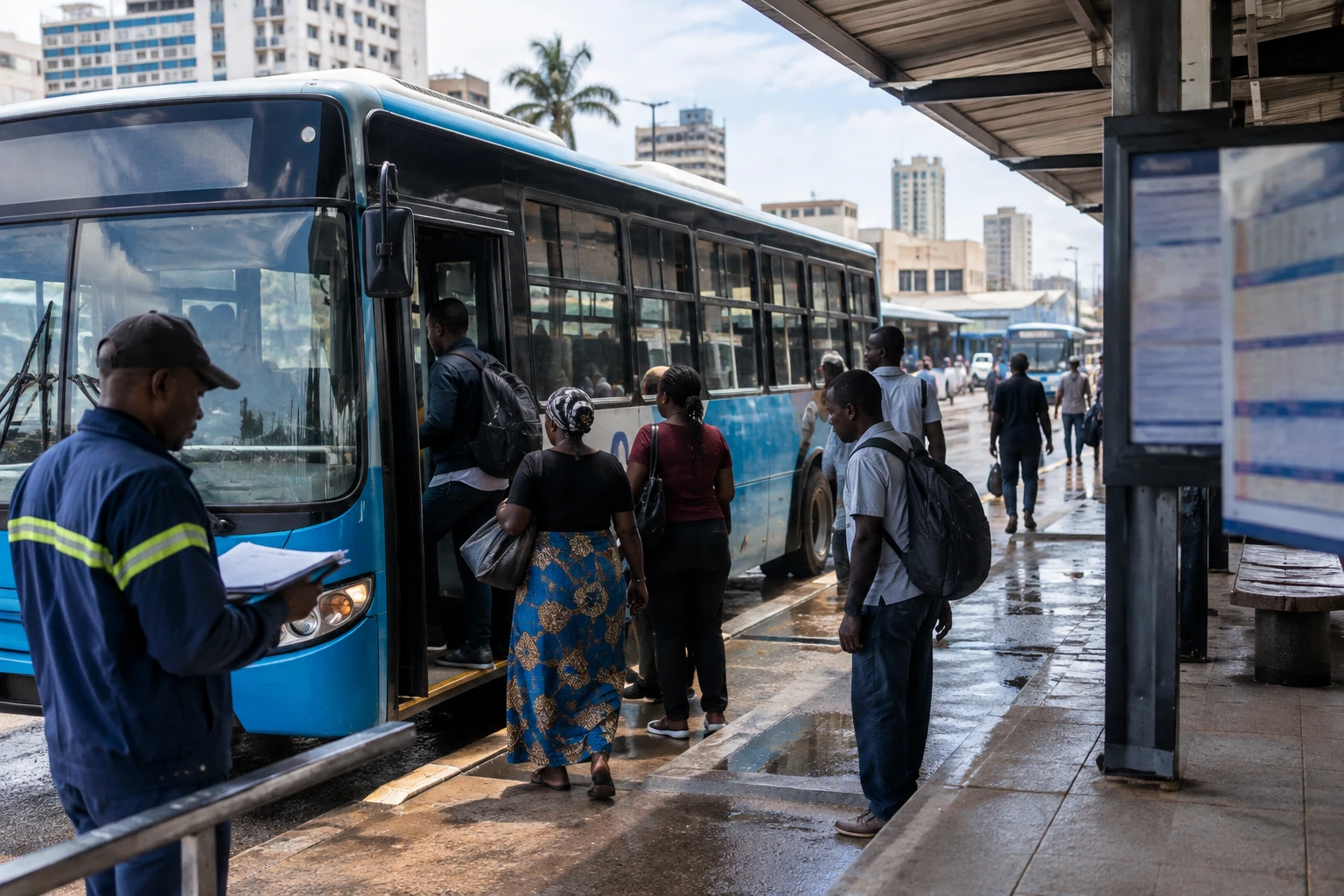
In Maputo, the challenge of the coming rainy season is not limited to organising relief after a disaster. Mozambique wants to prepare in advance, as its central and southern regions could face a rainfall deficit linked to El Niño. But the national plan announced for 2026-2027 has yet to secure all the funding it needs.
A national plan for contrasting risks
Mozambique, a southern African country on the Indian Ocean, faces hazards that do not affect every area in the same way. Cyclones and heavy rain can cause flooding, while insufficient rainfall threatens harvests and access to water. A single season can therefore require different responses in different provinces.
This preparation is also part of a regional framework. Mozambique is a member of the Southern African Development Community (SADC), which coordinates climate monitoring and seasonal forecasts, among other activities. Its regional forum reported an increased likelihood of below-normal rainfall in several countries, including Mozambique, at the start of the 2026-2027 season.
El Niño, a periodic warming of Pacific waters that alters rainfall patterns worldwide, increases the risk of drought in some parts of southern Africa. This does not rule out cyclones or localised episodes of heavy rain. Regional forecasts and the warning issued by Mozambique’s National Institute for Disaster Management and Risk Reduction (INGD) underline the importance of monitoring how the season develops rather than relying on a single scenario.
2.2 million people targeted
On 4 November 2026, the Council of Ministers approved the 2026-2027 Annual Contingency Plan. According to the government, the plan is valued at 39.8 billion meticais, or about $623 million at the exchange rate cited when it was announced. It is intended to cover disaster prevention and humanitarian assistance for around 2.2 million people.
The plan provides for identifying threats, estimating their potential effects and locating populations at risk. It is also intended to organise prevention and assistance measures across several sectors. This approach could help the authorities target interventions more effectively, but its success will depend on the accuracy of warnings, the availability of resources and their delivery to the districts concerned.
Funding remains incomplete. Council of Ministers spokesman Inocêncio Impissa said that 23.4 billion meticais was available, drawn from the Disaster Management Fund, INGD stocks and resources pledged by partners. This leaves a shortfall of 16.4 billion meticais, or about $256 million. The government says it is continuing to raise funds. The figures and the shortfall have also been reported by the Mozambican press.
This gap between the planned budget and the funds available is an operational challenge. Supplies in storage can support an immediate response, but they do not necessarily cover the spending required to deliver aid, protect infrastructure or support livelihoods. The publicly available information reviewed does not specify how the available funds will be allocated between provinces and types of risk.
Different impacts across regions
In rural areas, a dry season can reduce yields from rain-fed crops, deplete pastures and make water supplies harder to secure. Small-scale farmers and livestock keepers often have fewer ways to make up for a poor season. In cities, flooding can disrupt transport, services and access to essential facilities. Warnings therefore need to be accompanied by measures tailored to local circumstances.
The floods at the start of 2026 are a reminder that the country’s exposure is not merely theoretical. The United Nations High Commissioner for Refugees estimated that about 392,000 people had been displaced by flooding in the centre and south. The FAO also reported this figure and described the damage to agricultural livelihoods. This refers to people displaced, not the total number affected: the two indicators should not be confused.
These events can affect households long after the waters recede. Damaged fields, lost livestock or destroyed fishing equipment reduce incomes and make recovery more difficult. By contrast, a rainfall deficit first affects communities dependent on rain-fed agriculture and can have an impact on local markets. Planning must therefore account both for immediate relief and for the continuity of economic activity.
Funding, the next test of preparedness
Funding pledges alone are not enough to measure response capacity. It will be necessary to track disbursements, the building of stocks, warnings issued in languages understood locally and coordination between national services and provincial authorities. The difference between a regional forecast and conditions observed on the ground also makes weather monitoring and regular updates essential.
For SADC partners, Mozambique’s case illustrates a shared challenge: anticipating multiple climate risks when available resources are limited. The priority is not simply to secure funding, but to make it available before damage accumulates. The coming season will show whether the plan turns forecasts into concrete interventions, and whether the missing 16.4 billion meticais are raised.
Sources consulted: Mozambican government statement on the contingency plan, Club of Mozambique report citing the AIM news agency, INGD warning on El Niño, SADC climate forum forecasts, UNHCR estimate of flood-related displacement and FAO assessment of the impact of flooding.