
 Algeria
 Egypt
 Libya
 Morocco
 Sudan
 Tunisia
 Benin
 Burkina Faso
 Cabo Verde
 Côte d'Ivoire
 Ghana
 Guinea
 Guinea-Bissau
 Liberia
 Mali
 Mauritania
 Niger
 Nigeria
 Senegal
 Sierra Leone
 The Gambia
 Togo
 Cameroon
 Central African Republic
 Chad
 DR Congo
 Equatorial Guinea
 Gabon
 Republic of the Congo
 São Tomé and Príncipe
 Burundi
 Comoros
 Djibouti
 Eritrea
 Kenya
 Madagascar
 Malawi
 Mauritius
 Mozambique
 Rwanda
 Seychelles
 Somalia
 South Sudan
 Tanzania
 Uganda
 Angola
 Botswana
 Eswatini
 Lesotho
 Namibia
 South Africa
 Zambia
 Zimbabwe
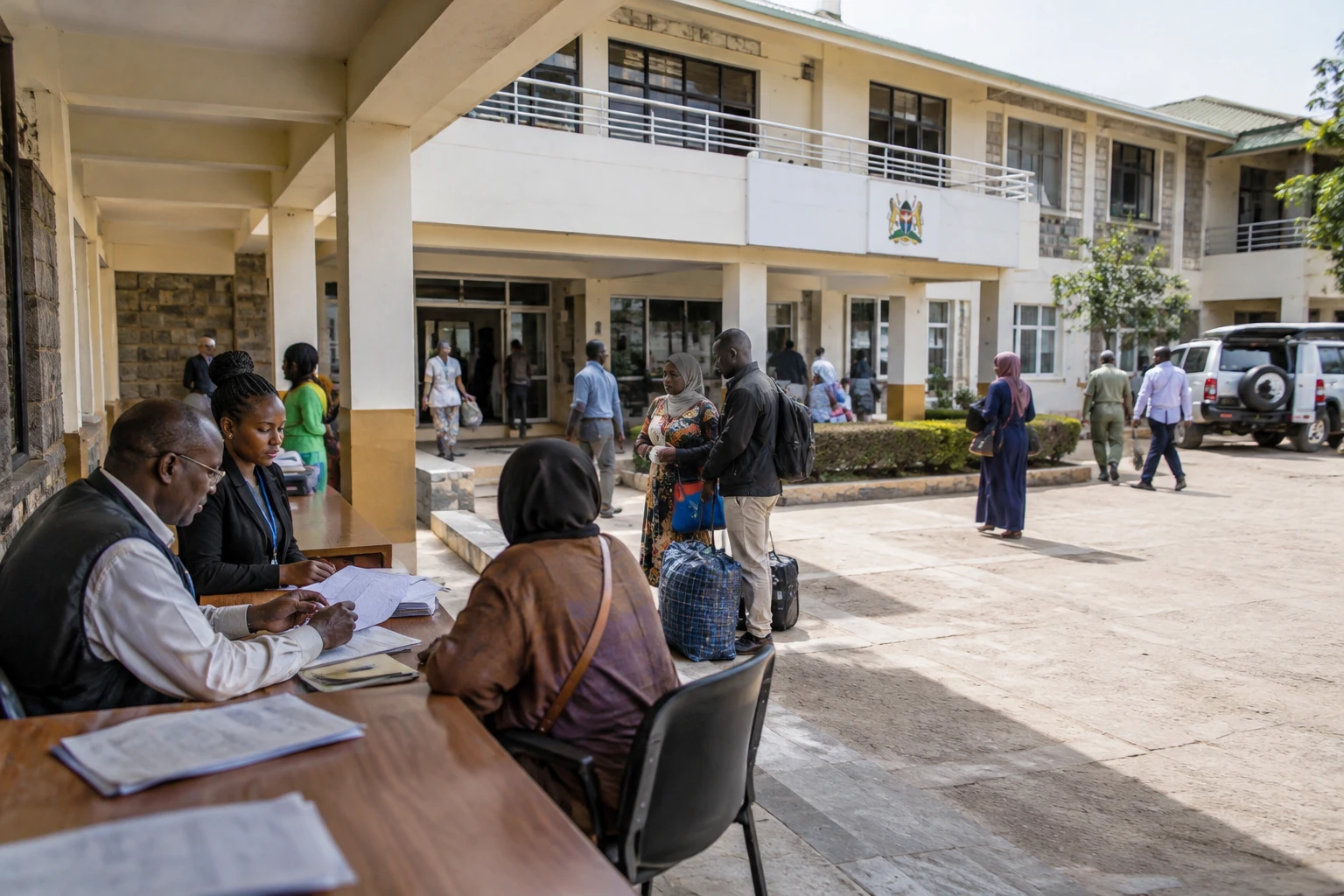
In Moyale, northern Kenya, the emergency is measured both by the number of people crossing the border and by local communities’ capacity to host them. Since fighting resumed in southern Ethiopia, thousands of families have been seeking a safe place. Needs for food, clean water and shelter are rising rapidly.
A border under pressure
Moyale is a border town in Marsabit County, several hundred kilometres from Nairobi. The border there separates Kenya from Ethiopia, two countries in the Horn of Africa linked by trade and long-standing community ties. Population movements in the area therefore affect both displaced people and the residents hosting them.
The current fighting is taking place on the Ethiopian side, around territories disputed between the regional administrations of Oromia and Somali. These regions, which are part of Ethiopia’s federal system, have long been at odds over the demarcation of their borders and access to resources. Local tensions can therefore quickly spill over into villages and transport routes on either side of the border.
Kenya belongs to the East African Community (EAC), which brings together several countries in the region for economic and political cooperation. Ethiopia is not a member. However, it shares a border with Kenya and, like its neighbour, is involved in regional security and mobility issues monitored by the Intergovernmental Authority on Development (IGAD), an organisation for the Horn of Africa.
Toll still being verified
The United Nations High Commissioner for Refugees (UNHCR) estimates that up to 50 000 people have crossed the border since the start of the displacement reported on 22 October 2026. The figure, released on 28 October, is based on estimates by local authorities. UNHCR says registration and verification of arrivals are continuing, so the figure is provisional and may change.
The increase has been rapid. On 27 October, UNHCR reported that about 36 000 people had arrived in Kenya. The pan-African media outlet APA reported a similar figure the following day, noting that it had been provided by the UN agency. The count also depends on accommodation arrangements: some people are staying in collective shelters, while others are with relatives or in local communities.
Kenyan local authorities report a steady arrival of people in Moyale. The deputy sub-county commissioner, Benedict Munywoki, said that camps and host families were receiving more new arrivals each day. UNHCR says some people have found refuge in schools, churches and other temporary shelters. Women and children are among those fleeing the violence.
The fighting was triggered by a territorial dispute between the Oromia and Somali administrations. Reports attribute the recent escalation in tensions to the killing of a 13-year-old girl in an area administered by the Somali region. The circumstances of her death and precise responsibility should remain attributed unless and until independent evidence establishes them.
Residents also shoulder the burden of hosting
The humanitarian challenge is not limited to setting up camps. A significant proportion of displaced people are living within local communities, making the numbers harder to establish and spreading needs across several locations. Host families are sharing their resources, while existing services must meet increased demand.
UNHCR identifies food as an immediate need, alongside clean water, shelter, sanitation and healthcare. The agency is working with the Kenyan government, the Marsabit County authorities, the Kenya Red Cross, the International Organization for Migration, UNICEF and the World Food Programme. A joint funding appeal aims to support up to 50 000 people for three months. This figure is a response target, not confirmation that all displaced people have already received assistance.
Pressure is particularly acute in rural areas and small towns, where access to water, health facilities and food stocks may be more limited than in Nairobi. Rising needs may also strain the livelihoods of households hosting relatives or neighbours. County authorities have therefore called for additional support, according to reports in Kenyan and regional media.
The safety of Kenya’s population is also at stake. Gunfire has been heard on the Ethiopian side, and the press has reported incidents involving stray bullets in Moyale. These reports highlight the conflict’s proximity, but do not in themselves establish that the fighting has spread to Kenya. It remains essential to distinguish between border incidents and an extension of the clashes.
A regional response to watch
For Kenya, the immediate challenge is to maintain access to assistance while protecting displaced people and host communities. In Ethiopia, de-escalation depends in part on the regional authorities concerned and their ability to address the territorial dispute without further violence. Resolving these tensions, however, is not solely a matter for local administrations: Ethiopia’s federal authorities also have a role in prevention and mediation.
The situation in Moyale is a reminder that a localised crisis can quickly take on a cross-border dimension in the Horn of Africa. UNHCR’s provisional figures, the pace of arrivals and access to basic services will be key indicators in the coming days. For residents of Marsabit County and people arriving from Ethiopia alike, the response will depend on sustained assistance and a lasting easing of tensions on the other side of the border.



