Algeria
 Egypt
 Libya
 Morocco
 Sudan
 Tunisia
 Benin
 Burkina Faso
 Cabo Verde
 Côte d'Ivoire
 Ghana
 Guinea
 Guinea-Bissau
 Liberia
 Mali
 Mauritania
 Niger
 Nigeria
 Senegal
 Sierra Leone
 The Gambia
 Togo
 Cameroon
 Central African Republic
 Chad
 DR Congo
 Equatorial Guinea
 Gabon
 Republic of the Congo
 São Tomé and Príncipe
 Burundi
 Comoros
 Djibouti
 Eritrea
 Kenya
 Madagascar
 Malawi
 Mauritius
 Mozambique
 Rwanda
 Seychelles
 Somalia
 South Sudan
 Tanzania
 Uganda
 Angola
 Botswana
 Eswatini
 Lesotho
 Namibia
 South Africa
 Zambia
 Zimbabwe
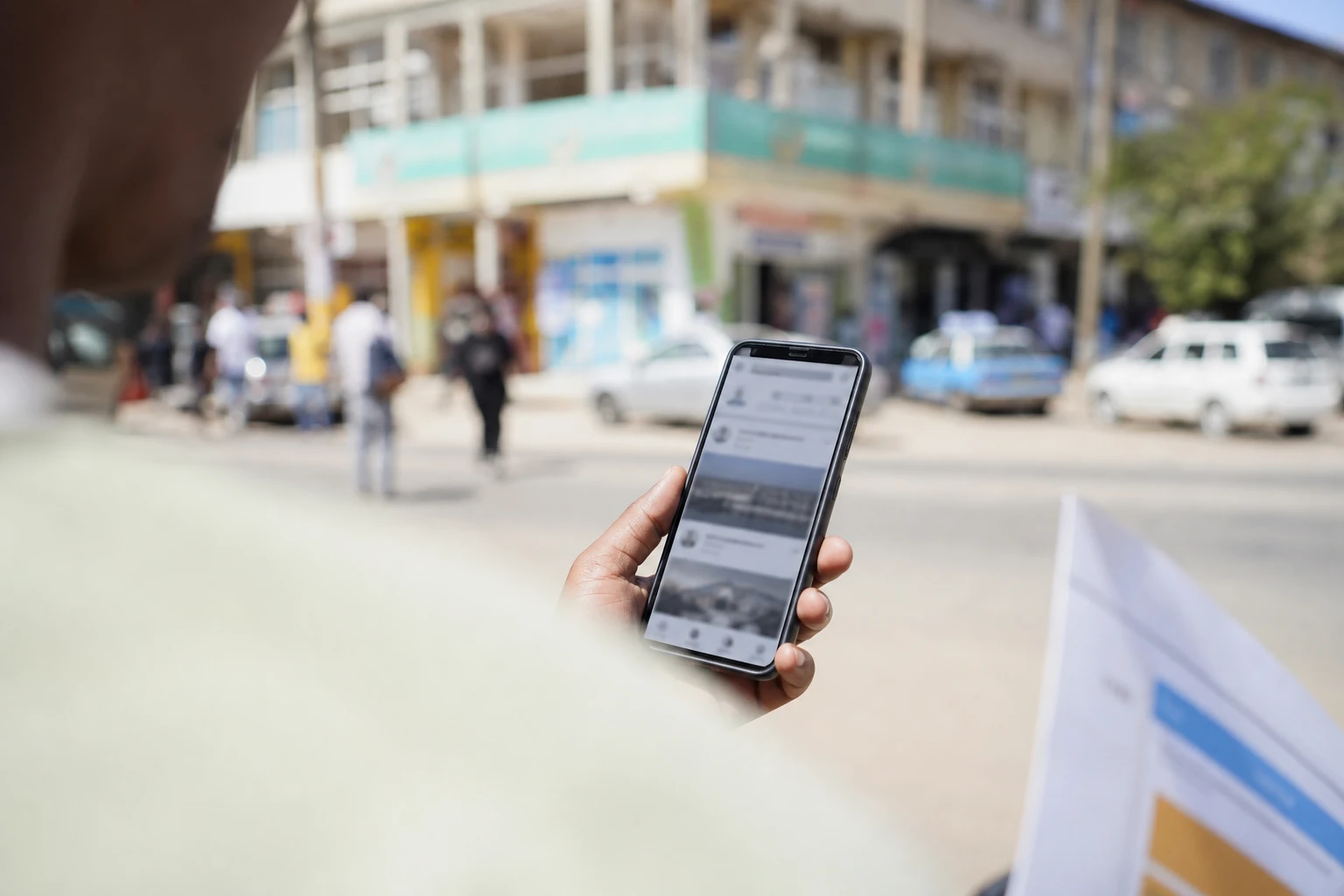
In Mekelle, the battle for an airport is already about more than military matters. It is testing the strength of the Pretoria agreement, signed on 2 November 2022, and reviving the risk of a fresh conflagration in the Horn of Africa.
A shifting front around Mekelle
Ethiopian federal forces have retaken control of Alula Aba Nega airport, near Mekelle, according to several accounts gathered on 3 October 2026. The information was not immediately confirmed by either the federal government or the Tigray People’s Liberation Front (TPLF).
The situation therefore remains partly uncertain. Telephone and internet networks are severely disrupted in the region. These outages are making it difficult to independently verify troop movements and who actually controls the regional capital.
The recapture of the airport is a setback for Tigrayan forces. On its own, however, it does not establish that Mekelle has come entirely under federal control. Gunfire was still reported on the outskirts of the city, while residents fear looting and further arrests.
Federal authorities are fighting with the support of a rival Tigrayan formation often known as the Tigray Peace Force. It includes former combatants opposed to the TPLF. Its presence changes the balance of power. The conflict now pits several Tigrayan factions against one another, rather than simply Addis Ababa against a unified regional administration.
Tigray still scarred by the 2020–2022 war
The latest clashes come in a region that has never fully returned to normal life since the war began in November 2020. The conflict pitted the federal government against the TPLF, with the involvement of Eritrean forces and armed groups from neighbouring regions.
In November 2020, the Ethiopian army took Mekelle. Seven months later, Tigrayan forces recaptured the regional capital in a counter-offensive. This sequence highlights a key reality: occupying a city is not enough to stabilise a vast, mountainous and politically fragmented territory.
The Pretoria agreement established a permanent cessation of hostilities. Negotiated under the auspices of the African Union, it provided, among other things, for the gradual disarmament of combatants, the restoration of public services and humanitarian access. The continental body continues to regard the agreement as the central framework for peace in Ethiopia.
The resumption of fighting nonetheless shows the limits of its implementation. Disarmament remains incomplete. The return of displaced people is proceeding slowly. Several areas remain affected by land disputes, political rivalries and the presence of armed forces.
A military crisis, but above all a civilian emergency
The human cost is already being felt in health facilities. Médecins Sans Frontières (MSF) said hospitals in Korem and Alamata had admitted more than 420 war-wounded people between 22 and 25 September 2026. In the town of Shire, more than 300 wounded people had been treated by the same date.
These figures are attributed to the medical organisation and are difficult to supplement with independent data because of movement restrictions and communications outages. They nevertheless give a clear indication of the intensity of the fighting in southern and north-western Tigray.
In Alamata, MSF has suspended some of its activities for security reasons. The decision affects more than the wounded. It also affects pregnant women, children, people living with chronic illnesses and patients who depend on regular treatment.
In rural areas, the impact is often heavier than in Mekelle. Residents have to travel long distances to reach a hospital. Roads may be blocked by fighting or checkpoints. Pharmacies are running short of medicines. Families separated by displacement sometimes do not know where their relatives are.
The crisis is also hitting the local economy. Traders can no longer guarantee supplies of fuel and food. Farmers risk losing a growing season. Public services are slowing, affecting formal-sector employees, while informal workers depend directly on movement between towns and rural areas.
Risk of the conflict spreading across the Horn of Africa
Deteriorating relations between Ethiopia and Eritrea are giving the conflict a regional dimension. Addis Ababa accuses Asmara of supporting Tigrayan forces. Eritrean authorities reject the allegations. In this context, every military movement in Tigray can be interpreted as preparation for a wider confrontation.
Tensions do not stop at the Eritrean border. Tigray borders Afar and Amhara, two regions already involved in previous conflicts. Displaced populations, disputed territories and competing armed forces make any military advance harder to contain.
Egypt and Sudan are also watching the situation closely. Relations between Addis Ababa, Khartoum and Cairo are already strained over the Renaissance Dam and the war in Sudan. A fresh crisis in Tigray could therefore combine with existing rivalries in the Nile basin and the Red Sea.
For the Intergovernmental Authority on Development (IGAD), which brings together several countries in the Horn of Africa, this development poses a direct challenge. The regional organisation must contend with the war in Sudan, tensions between Ethiopia and Somalia, and fragile relations between several regional capitals.
What to watch next
The first indicator will be who effectively controls Mekelle. Taking an airport can facilitate military operations, but it does not mean that urban neighbourhoods, roads and government offices are secure.
The second is communications. Restoring them would make it possible to verify information, find missing people and coordinate relief efforts. Without reliable telecommunications, rumours spread faster than verified facts.
The third will be humanitarian access. Medical organisations and aid agencies must be able to travel to Alamata, Korem, Shire and rural areas of Tigray. The ability to maintain routine care will be a practical test of conditions, beyond military announcements.
Finally, the future will depend on whether Ethiopian actors can return to the Pretoria framework. The African Union, headquartered in Addis Ababa, has a central political role. But no agreement can deliver lasting peace without a credible disarmament mechanism, guarantees for the population and resolution of territorial disputes.
The battle around Mekelle is therefore more than a military episode. It exposes the fragility of the transition launched by the 2022 agreement. For the people of Tigray, the immediate priorities remain clear: silence the guns, reopen the roads and restore the services on which daily life depends.