Algeria
 Egypt
 Libya
 Morocco
 Sudan
 Tunisia
 Benin
 Burkina Faso
 Cabo Verde
 Côte d'Ivoire
 Ghana
 Guinea
 Guinea-Bissau
 Liberia
 Mauritania
 Niger
 Nigeria
 Senegal
 Sierra Leone
 The Gambia
 Togo
 Cameroon
 Central African Republic
 Chad
 DR Congo
 Equatorial Guinea
 Gabon
 Republic of the Congo
 São Tomé and Príncipe
 Burundi
 Comoros
 Djibouti
 Eritrea
 Ethiopia
 Kenya
 Madagascar
 Malawi
 Mauritius
 Mozambique
 Rwanda
 Seychelles
 Somalia
 South Sudan
 Tanzania
 Uganda
 Angola
 Botswana
 Eswatini
 Lesotho
 Namibia
 South Africa
 Zambia
 Zimbabwe
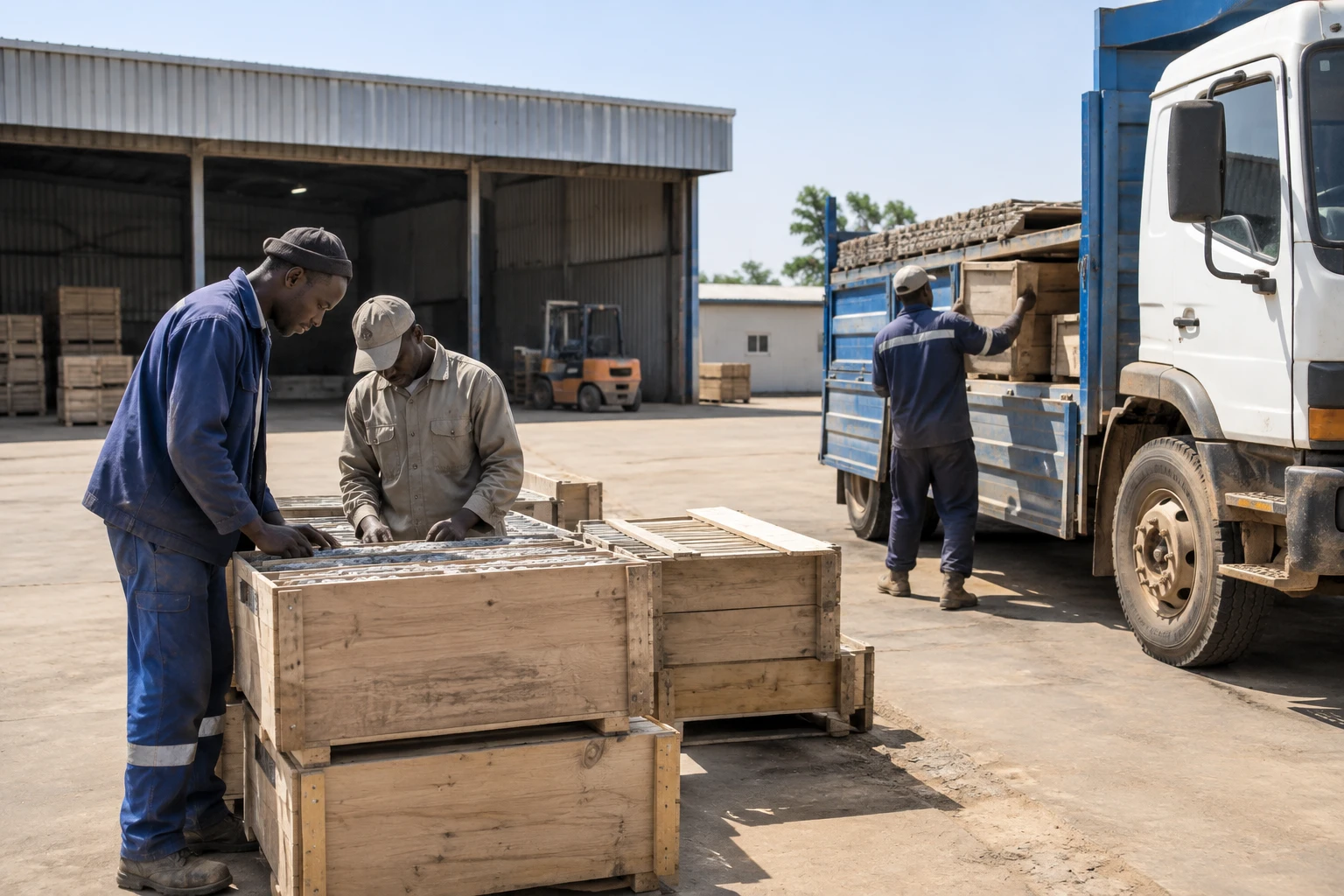
In Mali, an exploration permit can determine the fate of a project before a mine even exists. After several years of stalled procedures, renewals are resuming. But this restart does not yet mean that all applications for new titles are open.
A partial resumption
Mali’s mining sector has been undergoing a period of reorganisation since the processing of several title applications was suspended from 28 November 2022. The authorities subsequently adopted a new Mining Code on 29 August 2023, with the aim of revising the rules for awarding titles and the share of benefits accruing to the country. The law notably governs exploration permits, the first step in identifying a deposit before considering its exploitation. Mali’s 2023 Mining Code sets the legal framework for this activity.
On 15 March 2025, the government partially lifted the suspension. The administration was then able to resume examining certain renewals, applications to move from exploration to exploitation, and cases relating to existing titles. The decision did not automatically reopen the way for new awards or transfers of exploration permits. The resumption now under way therefore remains subject to restrictions. The statement on the partial resumption of applications specified the categories concerned.
Permits renewed, figures to distinguish
At African Mining Week, held in Cape Town, South Africa, Fousseni Togola, president of the Mali Chamber of Mines, said that 21 exploration permits had been processed between August and September 2026. This figure is attributed to him: the publicly available information consulted does not allow the total of 21 cases to be independently confirmed.
A separate benchmark, however, is recorded in official decisions. On 30 September 2026, the Council of Ministers adopted texts establishing and governing the Agency for Research and Development of Mineral Resources. Malian media also reported that the meeting had approved the renewal of several exploration permits. The number of cases “processed” announced by the Chamber should therefore not be confused with the number of permits actually renewed by decree. The official statement from the Council of Ministers confirms the agency’s creation, but does not specify the total number of permits.
The new body is to succeed the Programme for the Development of Mineral Resources, an organisation attached to the National Directorate of Geology and Mines. The government cites limitations in its legal status, funding and coverage of oil and gas activities. The agency could strengthen knowledge of Mali’s subsoil. Its effectiveness will, however, depend on its resources, how it operates in practice and the publication of the data it produces.
An economic issue beyond mining companies
For companies, renewing a permit makes it possible to continue work and prepare for the next stages. It is a prerequisite for mobilising capital, but no guarantee of a discovery or the opening of a mine. The Sanankoro II gold project, led by Cora Gold, illustrates this sequence: renewal of the exploration permit is intended to allow progress towards a possible exploitation permit and the planned construction of a mine.
The restart comes after a prolonged decline in exploration budgets in Mali. S&P Global says global non-ferrous exploration spending fell for a third consecutive year in 2025, to $12.4bn. This global figure alone is not enough to establish the scale of the decline in Mali. The report nevertheless describes exploration as a sector where investment is increasingly concentrated in areas close to existing mines, while early-stage exploration receives less funding. S&P Global’s analysis of exploration trends in 2025 describes this global shift.
The consequences extend beyond the groups holding titles. In the areas concerned, exploration campaigns can generate contracts and temporary jobs, but their local benefits vary according to the duration of the work and the use of Malian suppliers. In Bamako, the administration must balance oversight of titles with predictable rules. For municipalities near sites, the issue also concerns transparency over revenues and whether they are translated into services and infrastructure.
The test of transparency and predictability
The new mining cadastre presented by the authorities in April 2026 is intended to modernise title management and address weaknesses in the previous system. For investors and citizens alike, its value will be measured by concrete factors: accessible rules, understandable timelines and verifiable information on permits granted, renewed or refused. The Ministry of Mines’ presentation of the cadastre sets out the official ambition for this reform.
The restart is also taking place amid a regional realignment. Mali left the Economic Community of West African States in January 2025 with Burkina Faso and Niger, which formed the Confederation of Sahel States. This development makes coordination between these neighbours on infrastructure, skills and resource development more important, without displacing their respective national frameworks. Discussions on harmonising mining rules across the Sahel show that resource governance has become a shared concern.
The next indicator will therefore not be merely the number of permits renewed. It will be necessary to see whether new applications can be submitted, whether cases are processed within predictable timeframes and whether the research agency receives the resources announced. For Mali, the balance is delicate: increasing national control over resources while giving companies and communities stable rules and verifiable results.