Algeria
 Egypt
 Libya
 Morocco
 Sudan
 Tunisia
 Burkina Faso
 Cabo Verde
 Côte d'Ivoire
 Ghana
 Guinea
 Guinea-Bissau
 Liberia
 Mali
 Mauritania
 Niger
 Nigeria
 Senegal
 Sierra Leone
 The Gambia
 Togo
 Cameroon
 Central African Republic
 Chad
 DR Congo
 Equatorial Guinea
 Gabon
 Republic of the Congo
 São Tomé and Príncipe
 Burundi
 Comoros
 Djibouti
 Eritrea
 Ethiopia
 Kenya
 Madagascar
 Malawi
 Mauritius
 Mozambique
 Rwanda
 Seychelles
 Somalia
 South Sudan
 Tanzania
 Uganda
 Angola
 Botswana
 Eswatini
 Lesotho
 Namibia
 South Africa
 Zambia
 Zimbabwe
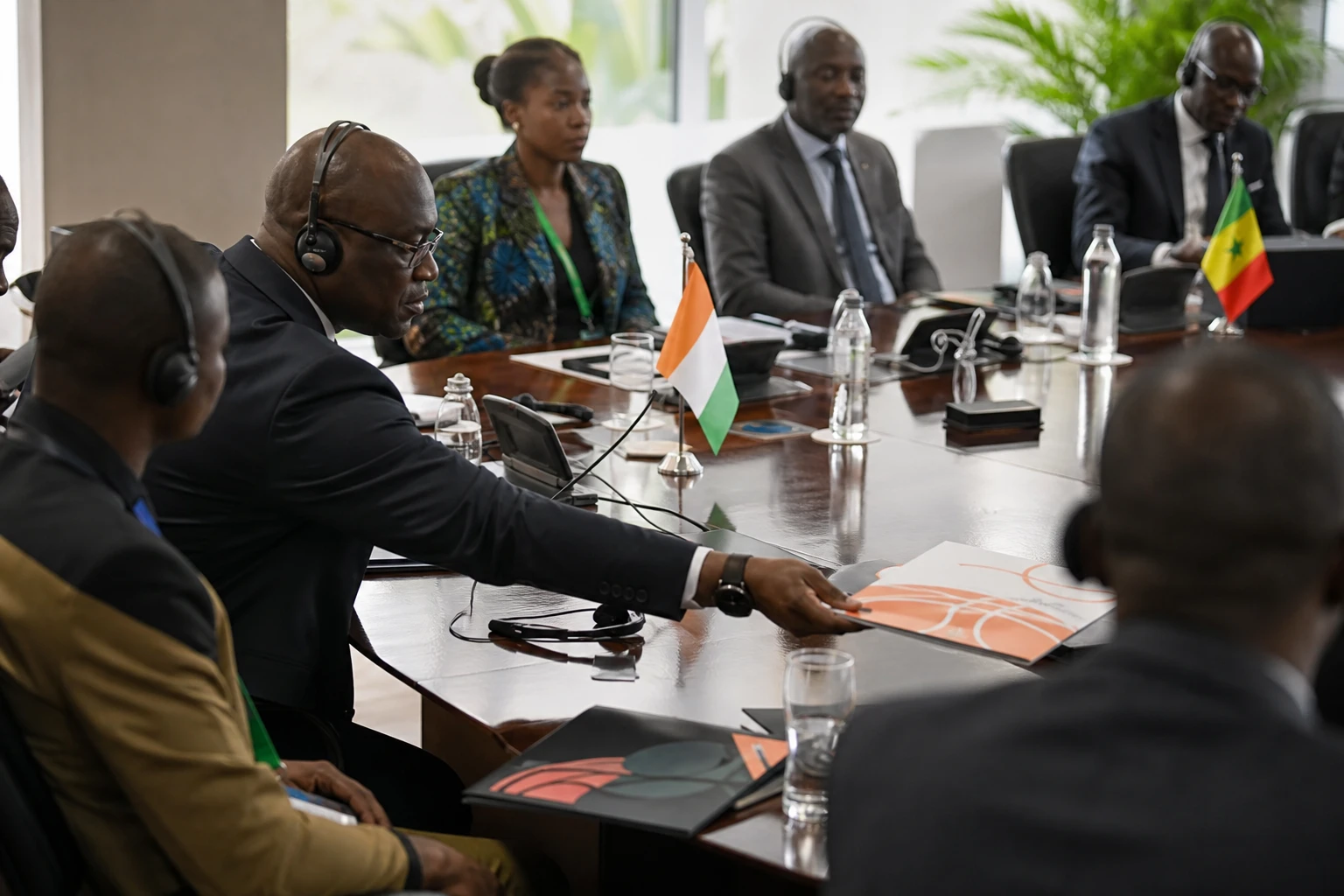
In Abidjan, a test of strength rather than just an opening game
When a team enters a continental tournament by scoring 124 points, the question is no longer just about the score. It becomes a question of the gap in maturity, the depth of the bench and the level of organisation behind the players. For Mali, this first outing at the 2026 Women’s U18 AfroBasket was above all a reminder that, at youth level, Bamako remains a stronghold of African women’s basketball.
The game was played in Abidjan, Côte d’Ivoire, in an edition bringing together 12 teams that also serves as a pathway to the FIBA U19 World Cup. The tournament’s top two teams will earn a place at the global event, giving every game real significance, including those in the group stage.
The regional context: an African competition with global stakes already in play
The Women’s U18 AfroBasket is no secondary event. It is a showcase for the continent’s future internationals. FIBA Africa describes it as the flagship competition for national women’s youth teams. The 2026 edition is being held in Abidjan from 5 to 16 August, in a condensed format that leaves little room for improvisation.
Mali arrive with a formidable reputation. The country has won nine titles in the tournament’s history, a record, and claimed the 2024 edition in Pretoria, South Africa. This record is no accident. It reflects continuity in player development, a winning culture and a regular presence at the highest continental level.
Benin, meanwhile, were making their first appearance in the finals at this age level, giving their youth women’s basketball rare visibility. The country qualified from Zone 3 by beating Burkina Faso in a close contest, which had already offered a measure of a campaign built through hard work, but one still vulnerable against Mali’s standards.
The headline figure: 124 points, a 104-point margin
At the Treichville Multipurpose Hall, Mali beat Benin 124-20 in their Group B opener. The final margin of 104 points ranks among the widest seen in the competition in recent years. It even surpasses Mali’s 124-24 win over Algeria in 2022, a 100-point margin.
A scoreline like this says a great deal about the shape of the game. It is not just a matter of offensive shooting. It also reflects defensive intensity, the ability to apply pressure across the full court and a speed of execution that few youth teams master at this level. For Benin, their first appearance at this stage of the competition served above all as a reality check. The gap between a team learning its way in continental competition and a side accustomed to finals was plain to see.
Mali did more than dominate Benin. They sent a message to the rest of Group B, where Morocco and Egypt are also waiting. In such a short tournament, points difference can matter as much as wins. This emphatic victory therefore puts the Malian team in a favourable position ahead of the rest of the first round.
What the result says about Malian sport
Malian women’s basketball is not built on just a few brilliant generations. It rests on a visible performance pathway from grassroots to the top. At U18 level, the country has long dominated the continent. At senior level, it also remains among Africa’s leading teams, with regular campaigns in major FIBA competitions. This continuity fosters a strong sporting identity, valuable beyond the day’s result alone.
For young Malian players, the stakes go beyond the scoreboard. A generation that wins early develops habits, collective discipline and confidence that speed the transition to the senior teams. It is also a signal to clubs and local organisations: international performance often starts with well-run domestic competitions, regular leagues and sustained coaching. None of this is visible on a single scoresheet, but it is what makes margins like this possible.
Benin’s case, too, deserves to be viewed without caricature. A first qualification for the continental finals gives experience to a team still under construction. In several West African countries, girls’ and women’s youth basketball is progressing in stages, with resources varying between federations, leagues and regions. Benin have taken a step by qualifying. Their task now is to turn this exposure into a lasting foundation.
A continental significance beyond the score
This opening game is a reminder of a wider reality: in Africa, youth competitions serve as a barometer of sports policy. Countries that invest in talent identification, coaching and domestic competition often gain an advantage at continental level. Mali confirms this pattern. Other countries, from North Africa to Southern Africa and across West Africa, are still seeking to bring their development base closer to the level of the leading teams.
The rest of the tournament will show whether Mali can extend their lead and pursue another title, or at least one of the two qualifying places for the U19 World Cup. It will also show whether challengers such as Morocco or Egypt can close the gap in Group B. The stakes for the continent are clear: will the historic pecking order remain unchanged, or will new powers emerge in women’s youth basketball?
In this tournament in Abidjan, every game therefore counts twice. It determines the immediate standings, but also measures the health of a talent pool. And on that front, Mali continue to set a benchmark that few teams at this stage can yet challenge.