Algeria
 Egypt
 Libya
 Morocco
 Sudan
 Tunisia
 Benin
 Burkina Faso
 Cabo Verde
 Côte d'Ivoire
 Ghana
 Guinea
 Guinea-Bissau
 Liberia
 Mauritania
 Niger
 Nigeria
 Senegal
 Sierra Leone
 The Gambia
 Togo
 Cameroon
 Central African Republic
 Chad
 DR Congo
 Equatorial Guinea
 Gabon
 Republic of the Congo
 São Tomé and Príncipe
 Burundi
 Comoros
 Djibouti
 Eritrea
 Ethiopia
 Kenya
 Madagascar
 Malawi
 Mauritius
 Mozambique
 Rwanda
 Seychelles
 Somalia
 South Sudan
 Tanzania
 Uganda
 Angola
 Botswana
 Eswatini
 Lesotho
 Namibia
 South Africa
 Zambia
 Zimbabwe
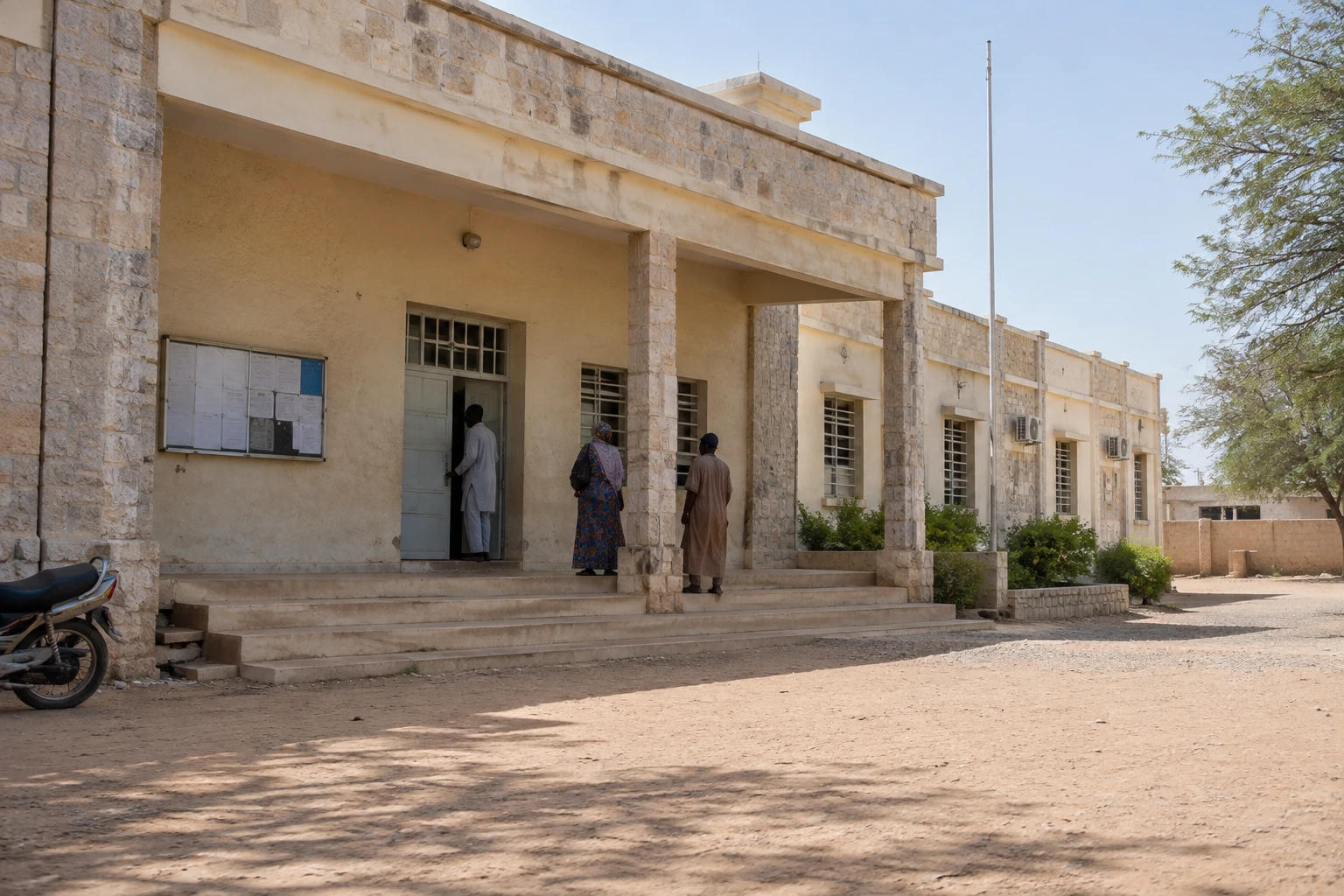
In Kidal, the presence of soldiers is not enough to restore state authority. For Bamako, the army’s entry into this northern city represents a political and military success. The question is whether it can maintain a lasting presence there, protect residents and secure the routes linking it to the rest of Mali.
A city at the heart of Mali’s power struggles
Kidal occupies a particular place in relations between the Malian state and armed movements in the north. The city came under army control in November 2023, during an offensive carried out with the support of the Russian Wagner group. In April 2026, a coordinated offensive by the Azawad Liberation Front (FLA), an independence movement, and Jama’at Nasr al-Islam wal Muslimin (JNIM), affiliated with Al-Qaeda, once again shifted the balance of power.
This sequence is part of a national crisis that has lasted for more than a decade. Since the coups of 2020 and 2021, the transitional authorities have governed the country without a return to elections. They present the fight against armed groups and the restoration of sovereignty over the territory as central priorities. ECOWAS, the regional organisation for West Africa, remains an important actor in discussions on constitutional order and regional stability.
Recapture announced after FLA withdrawal
On Tuesday 6 October 2026, the Malian army entered Kidal with the support of Russian fighters from Africa Corps, according to several reports published the same day. The transitional government welcomed the “consolidation” of its deployment and spoke of favourable prospects for the gradual return of the administration. The army, for its part, announced that operations in the region would continue.
The nature of this recapture, however, calls for an important distinction. Malian forces re-entered the city, but the available information does not describe a decisive battle there. The FLA announced its withdrawal and presented it as a strategic decision, intended in particular to preserve its fighters and resources. It also said the withdrawal had been decided in consultation with JNIM. These statements come from the armed movement and cannot be treated as independent verification of its intentions.
Accounts of the role of air operations and the scale of the fighting differ. The government highlights a military operation and the restoration of state authority. The FLA says it left the city under pressure from air strikes and promises that its withdrawal is temporary. At this stage, the recapture of Kidal establishes a change of control, but proves neither the lasting defeat of the FLA nor the dismantling of JNIM.
Reports by the Associated Press, Deutsche Welle and African media describe the recapture and the FLA’s withdrawal, while presenting different accounts of the sequence of events. The Associated Press report on Kidal includes statements by the authorities and the armed movement. The Anadolu Agency article on the announced FLA withdrawal notes that the army had not yet issued official confirmation when its first report was published.
A symbolic gain, a challenge of maintaining a presence
For the authorities in Bamako, the return to Kidal carries significance beyond control of a city. It allows them to highlight the army’s ability to return to a symbolic centre in the north after the setback in April. In a context where the transitional government derives a significant part of its legitimacy from its promise to restore security and territorial unity, this image matters.
But occupying an urban centre is not the same as controlling a region over the long term. Distances, supply difficulties and the vulnerability of roads can weigh on the army’s ability to hold its positions. Recapturing Kidal could therefore tie up soldiers and resources that the authorities also need elsewhere. The challenge is twofold: protect the city without leaving other areas exposed.
The consequences for residents will depend on security on the ground, the return of public services and the ability to move around. The reports consulted indicate that the city has been largely emptied of its residents, but the circumstances and scale of these departures remain to be established. Without detailed, independent data, it would be premature to present the return of the administration as a return to normal life.
The partnership with Africa Corps is another issue. Russian support strengthens the operational capabilities displayed by Bamako, but reliance on an external force also raises questions about the duration and terms of this co-operation. The day’s military success does not resolve the political questions fuelling tensions between the central government and armed movements in the north.
Algiers, armed groups and what comes next regionally
Algeria’s role is mentioned in reported statements by FLA officials, who refer to an “invisible hand” and link the loss of Kidal to the rapprochement between Algiers and Bamako. These accusations have not been independently substantiated. The same officials cited reject the idea that Algeria gave a direct instruction. Their interpretations must therefore be distinguished from verified facts: the sources consulted do not show that the Algerian authorities organised the withdrawal.
JNIM’s silence on the withdrawal, noted in the first reports, is likewise not enough to conclude that it has been eliminated. The group retains the ability to operate in other parts of Mali. Reported attacks in the centre of the country are a reminder that security pressure is not confined to Kidal. Figures and claims relating to these operations should remain attributed until corroborated.
At the West African level, the episode highlights the limits of an exclusively military response to crises in which political demands, insecurity and regional rivalries intersect. For Bamako, the immediate task will be to consolidate its presence without excessively dispersing its forces. For the people of Kidal and nearby towns, the decisive sign will not simply be the flag raised in the city, but lasting security, services and freedom of movement.