Algeria
 Egypt
 Libya
 Morocco
 Sudan
 Tunisia
 Benin
 Burkina Faso
 Cabo Verde
 Côte d'Ivoire
 Ghana
 Guinea
 Guinea-Bissau
 Liberia
 Mali
 Mauritania
 Niger
 Senegal
 Sierra Leone
 The Gambia
 Togo
 Cameroon
 Central African Republic
 Chad
 DR Congo
 Equatorial Guinea
 Gabon
 Republic of the Congo
 São Tomé and Príncipe
 Burundi
 Comoros
 Djibouti
 Eritrea
 Ethiopia
 Kenya
 Madagascar
 Malawi
 Mauritius
 Mozambique
 Rwanda
 Seychelles
 Somalia
 South Sudan
 Tanzania
 Uganda
 Angola
 Botswana
 Eswatini
 Lesotho
 Namibia
 South Africa
 Zambia
 Zimbabwe
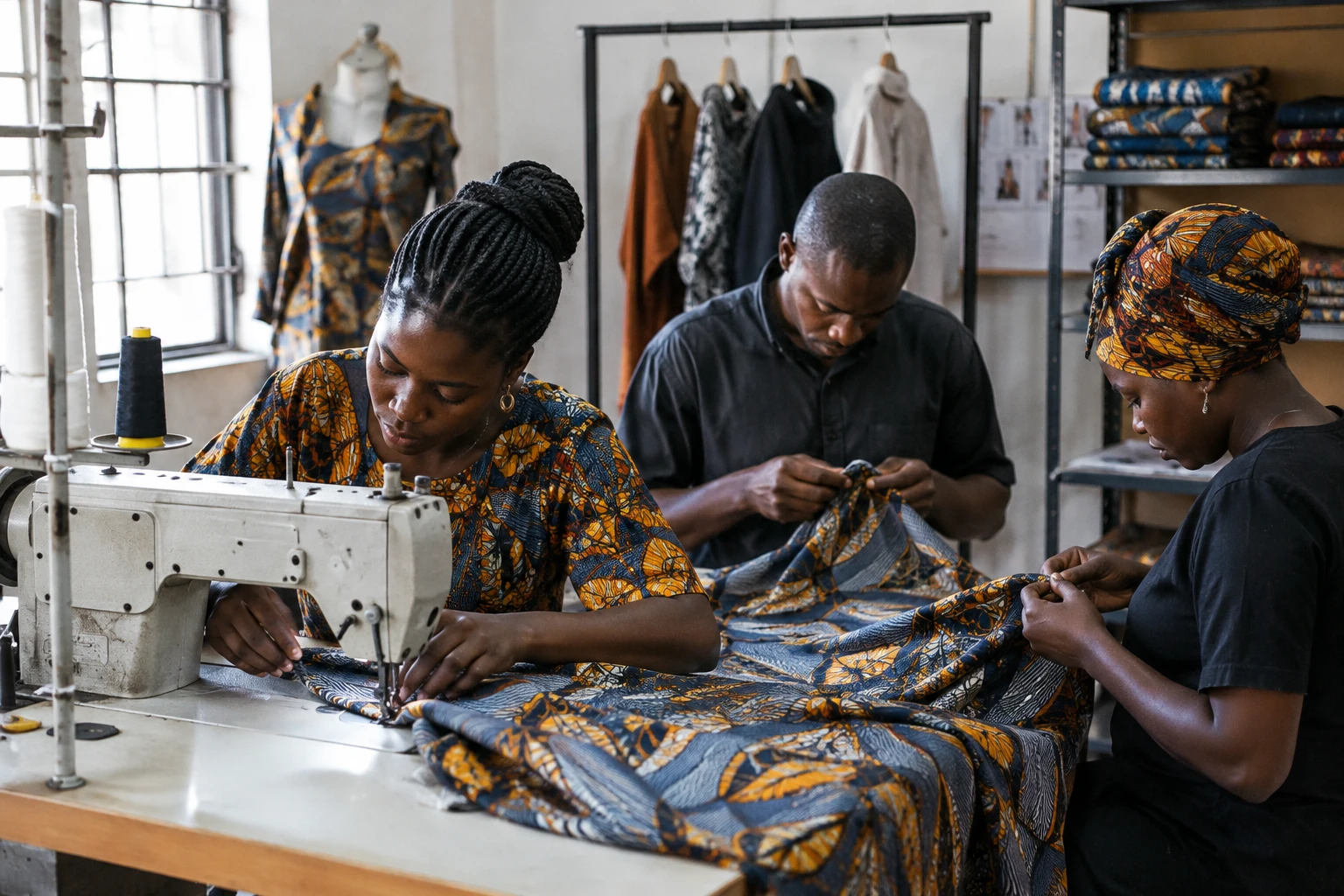
In Lagos, a garment also tells the story of the work that makes it possible: the choice of material, mastery of a technique and relationship with the people who make it. It is this chain of creation, as much as the result on the catwalk, that Lagos Fashion Week is putting at the centre of its 2026 edition.
In Lagos, creation moves beyond the catwalk
The event takes place from 28 October to 1 November in Nigeria’s commercial capital. Catwalk shows, presentations, professional discussions and meetings with buyers make up the programme. The main shows are held from 29 to 31 October at the Federal Palace Hotel on Victoria Island, followed by presentations at various venues across the city. These dates are also reported by L’Observateur.
The theme, “CRAFTED”, brings together heritage, innovation and circular futures. It invites people to look at how a piece is designed and made: artisanal techniques, materials, collaborations and lifespan. Circular fashion aims in particular to reduce waste by extending the use of garments and reusing resources.
This approach does not present craftsmanship as a static backdrop or a simple marker of origin. Instead, it sees it as living knowledge that can inform new forms and contemporary business models. The official programme for Woven Threads, devoted to circular practices and textiles, also places artisanal work within a broader discussion of production and markets.
A sector to build beyond visibility
Founded in 2011, Lagos Fashion Week brings together designers, manufacturers, buyers, media and cultural institutions. The event has become a meeting platform for players in the fashion industry in Nigeria, West Africa and beyond. Its organisers describe their ambition as extending beyond promoting collections: they aim to connect creativity, businesses and markets.
This distinction matters. A catwalk show brings visibility, but does not guarantee regular orders, access to materials or the ability to produce at the required scale. Brands must also contend with manufacturing costs, cash flow, distribution and the remuneration of artisans. Buyers and commercial partners, meanwhile, can help turn public interest into sustainable business.
In Nigeria, this dynamic is unfolding in a market where fashion is also made beyond international events: workshops, shops, sewing networks and informal activities all contribute to the sector’s day-to-day life. A week of fashion shows therefore does not represent the entire industry. It does, however, create a space for connecting these skills with established brands and overseas markets.
Cameroonian designer Queen Tumenta summed up the issue of representation by explaining that African designers had long lacked platforms. In her view, their current visibility does not reflect the sudden emergence of talent, but a new opportunity to showcase work that was already under way. Her remarks are a reminder that international attention can open doors, but is not a measure of the value or history of African creativity.
Making sustainability a practical reality
The theme of this edition takes on a practical dimension through Green Access, Lagos Fashion Week’s programme supporting young designers. In 2026, its activities include workshops on materials, visits to artisan communities, meetings with manufacturers and business development work. Its stated aim is to bring environmental responsibility and brand viability into dialogue.
The programme encourages collaboration with artisans, responsible production and the design of durable, repairable or reusable pieces. These priorities are set out in the official presentation of Green Access 2026. They show that sustainability is not limited to the choice of fabric: it also concerns production conditions, volumes and the value created in communities.
This ambition involves trade-offs. Manual techniques can require more time, coordination and investment than standardised production. For designers, the challenge is to preserve the quality of the work while offering prices and lead times suited to their market. For artisans and manufacturers, the question is also one of recognising their contribution and ensuring they receive a fair share of the final value.
Brands showing in Lagos are already exploring these links between production and creativity. Nigerian media outlet Fashion Police Nigeria, for example, describes the approach of Kilentar, which works with weavers, dyers and embroiderers in Nigeria and other West African countries. This particular case does not sum up the entire event, but illustrates how regional expertise can become the starting point for a contemporary wardrobe.
A West African event with continent-wide significance
Lagos attracts designers and professionals from several countries. The presence of Cameroonian Queen Tumenta is a reminder that the week extends beyond national borders, even though it is held in Nigeria and primarily reflects the energy of its market. Exchanges between brands, artisans and buyers can bring together skills spread across different countries in West Africa and across the continent.
Pan-African reach, however, is not measured solely by the number of collections presented. It will also depend on the business relationships established, the continuity of training programmes and brands’ ability to distribute value more equitably among design, manufacturing and sales. Fashion Week can serve as a showcase and a place of work; it cannot replace production infrastructure or policies that support the creative industries.
The next developments to watch will therefore come after the final shows: which designers will turn meetings into orders, which partnerships will last and which production methods will be taken up after the event? By placing the process on an equal footing with the finished garment, Lagos is opening a practical conversation about the future of African fashion — and about the conditions needed to make it visible, viable and rooted in the skills that sustain it.