Algeria
 Egypt
 Libya
 Morocco
 Sudan
 Tunisia
 Benin
 Burkina Faso
 Cabo Verde
 Côte d'Ivoire
 Ghana
 Guinea
 Guinea-Bissau
 Liberia
 Mali
 Mauritania
 Niger
 Nigeria
 Senegal
 Sierra Leone
 The Gambia
 Togo
 Cameroon
 Central African Republic
 Chad
 DR Congo
 Equatorial Guinea
 Gabon
 Republic of the Congo
 São Tomé and Príncipe
 Burundi
 Comoros
 Djibouti
 Eritrea
 Ethiopia
 Madagascar
 Malawi
 Mauritius
 Mozambique
 Rwanda
 Seychelles
 Somalia
 South Sudan
 Tanzania
 Uganda
 Angola
 Botswana
 Eswatini
 Lesotho
 Namibia
 South Africa
 Zambia
 Zimbabwe
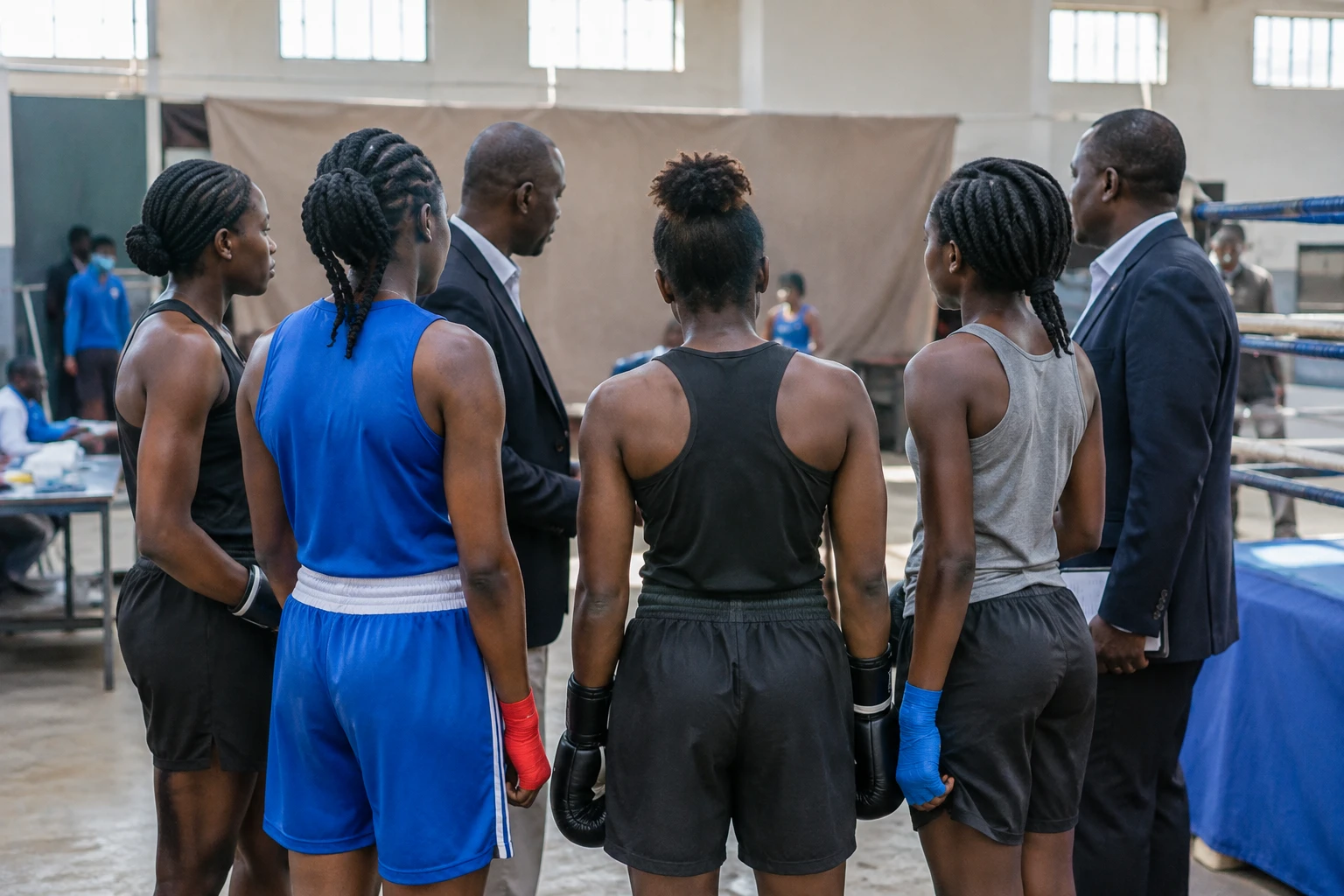
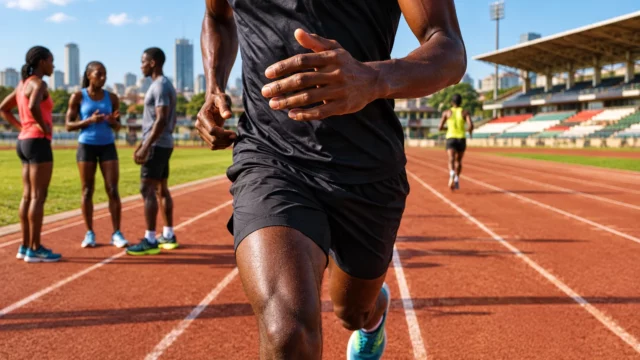
In Dakar, young Kenyan boxers are entering a competition that extends beyond the ring. For them, the Youth Olympic Games (YOG) are an international stage; for Kenya, they offer a chance to show that its next generation of sporting talent is not limited to athletics.
An African event hosted in Senegal
The Summer YOG take place from 31 October to 13 November 2026. Dakar, Diamniadio and Saly are hosting the events. It is the first time an Olympic event has been held on African soil. Around 2,700 young athletes are taking part in this edition, according to the International Olympic Committee (IOC). The official schedule for the Dakar 2026 YOG thus places the competition at an important moment for African sport.
The choice of three host cities spreads the competitions beyond the Senegalese capital. This arrangement gives the country an opportunity to mobilise several venues and audiences. It also presents organisers with a practical challenge: welcoming international delegations while leaving a sporting legacy that can be used after the Games end.
For East African countries, Dakar means travelling to another part of the continent, but it is also a shared showcase. Kenya is a member of the East African Community (EAC), which brings together several states in the region for economic and political co-operation. Sport does not erase the differences between these countries. It does, however, create a space where their young athletes can compete and make themselves known.
Women’s boxing at the heart of expectations
The presentation of the Kenyan delegation highlights the country’s ambitions in women’s boxing. It also says Kenya has the second-largest team at the Games, after Senegal. This figure could not be cross-checked against an accessible official list, so it should be treated as an attributed claim rather than an independently established count.
The IOC schedule confirms that the YOG are taking place, but the available information does not identify the Kenyan boxers involved, their weight categories or their results. It would be premature to attribute performances to them or to present medals as assured. The stated ambitions remain goals; the ring will decide the results.
This caution does not diminish what is at stake. In a discipline where access to international competition can shape a career, the YOG give young athletes high-level experience. For women boxers, the event can also bring greater visibility to their journeys in a sport where resources, coaching and opportunities to compete matter as much as talent.
Kenya approaches these Games with a strong record in Olympic sport, although that does not guarantee results for its young athletes. At Paris 2024, the country won eleven medals: four gold, two silver and five bronze. It ranked first among African nations in total medals. World Athletics’ results table confirms this tally, which was also reported in a publication by the Association of National Olympic Committees of Africa.
This result forms part of a sporting history largely associated with long- and middle-distance running. Boxing offers another avenue for representation. A Kenyan performance in the ring would draw attention to a discipline in which preparation, support for young athletes and continuity between competitions matter as much as a reputation built in other sports.
Beyond medals, building sporting pathways
A podium finish would be a strong signal, but the impact of participation is not measured in medals alone. Experience of travelling, pressure and international opponents can help athletes improve. That experience must, however, be followed on their return to Nairobi and other parts of Kenya by appropriate sporting support and regular opportunities to compete.
The benefits are not automatic. Federations and coaches can build on the experience gained in Dakar. Athletes, for their part, need sustained support, not just exposure during the Games. For young women in particular, visibility can encourage others to take up the sport; it cannot replace facilities or access to training and competitions.
The contrast between the Olympic stage and the daily work of clubs therefore deserves attention. The YOG make performances visible around the world. But a country’s ability to nurture a generation also depends on what happens after the closing ceremony: talent identification, training, support and continuity in athletes’ careers.
An impact beyond Kenya
For Senegal, hosting the first YOG held in Africa puts Dakar at the centre of the global sporting calendar. For Kenya and other African delegations, the competition is an opportunity to compete on the continent, before audiences closer to home. The IOC describes this edition as the first Olympic event to be held in Africa.
Kenyan women’s boxing thus embodies two distinct expectations: achieving sporting results and helping make young athletes more visible. The bouts and standings will need to be followed as the events unfold, and the exact composition of the delegations and official results verified. At this stage, Kenya’s Paris 2024 tally is confirmed; the announced size of its team and its chances of reaching the podium remain to be established.