Algeria
 Egypt
 Libya
 Morocco
 Sudan
 Tunisia
 Benin
 Burkina Faso
 Cabo Verde
 Côte d'Ivoire
 Ghana
 Guinea
 Guinea-Bissau
 Liberia
 Mali
 Mauritania
 Niger
 Nigeria
 Senegal
 Sierra Leone
 The Gambia
 Togo
 Cameroon
 Central African Republic
 Chad
 DR Congo
 Equatorial Guinea
 Gabon
 Republic of the Congo
 São Tomé and Príncipe
 Burundi
 Comoros
 Djibouti
 Eritrea
 Ethiopia
 Madagascar
 Malawi
 Mauritius
 Mozambique
 Rwanda
 Seychelles
 Somalia
 South Sudan
 Tanzania
 Uganda
 Angola
 Botswana
 Eswatini
 Lesotho
 Namibia
 South Africa
 Zambia
 Zimbabwe
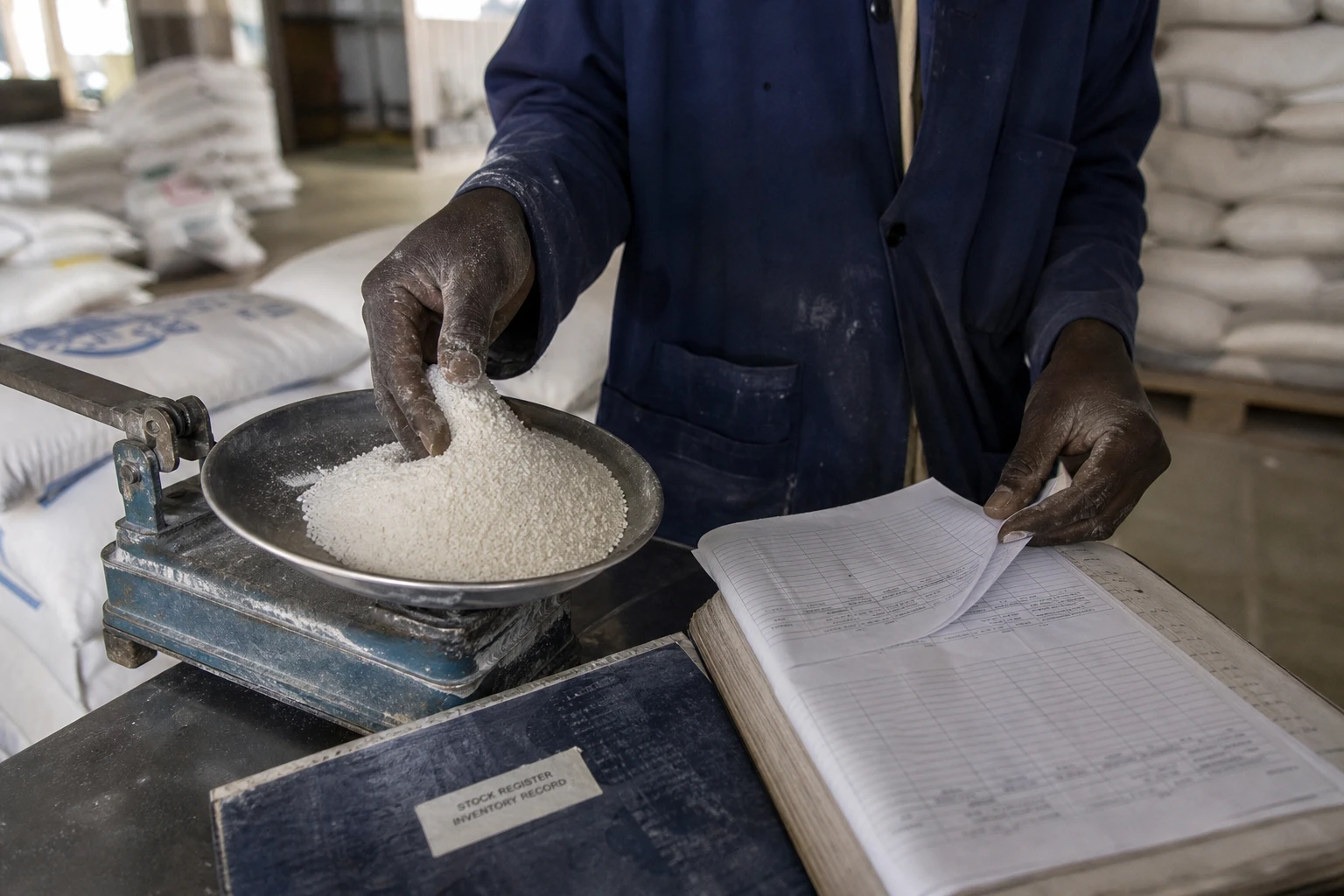
At Magadi, the debate is no longer just about a mine, but about how Kenya now wants to account for the value of its resources.
In southern Kenya, Lake Magadi supplies more than sodium carbonate. It also feeds a political question that has become central in Nairobi: who should benefit, and by how much, when a natural resource leaves Kenyan soil to supply factories elsewhere? The government now wants a different answer from simple exports.
The standoff is unfolding in Kajiado County, in the heart of the East African Community, where the Kenyan government has for several years promoted the idea of “value addition” – processing raw materials locally before export. The issue therefore goes beyond Magadi. It touches on the country’s industrial policy, the role of host communities and the credibility of promises to create jobs in an economy still heavily dependent on raw commodities.
An established site, a contested model
Industrial mining at Magadi dates back to 1911. More than a century later, the site remains one of Kenya’s mining symbols. Tata Chemicals Magadi, heir to a long line of owners, produces dense soda ash there from trona extracted from the lake. The company describes the operation as strategically important to the glass and chemicals industries, with sales to regional and international markets.
The issue took a new turn in 2026. On 29 July, Kenya’s Ministry of Mining ordered Tata Chemicals Magadi to suspend operations over alleged non-compliance with sector rules. The authorities cited royalties, export reports, local processing, employment, the use of Kenyan suppliers, community commitments and compliance with environmental standards. On 17 August, the company said it had submitted the requested documents and was awaiting the ministry’s response.
The tension did not come out of nowhere. In October 2025, Kenya’s Court of Appeal had already noted that the mining lease had been extended until 2053. The dispute involved the company and Kajiado County, among others, over tax and land issues. The ruling did not put an end to local disputes, but it served as a reminder that the legal position was far from straightforward.
William Ruto’s position: extraction is no longer enough
On 3 September 2026, in Kajiado, Kenyan President William Ruto set the tone. He said he had asked Tata to leave the site, justifying his position by the company’s alleged failure to make sufficient industrial investment in the county. Above all, he spelled out the condition he intends to impose on any replacement: the establishment of large-scale glass and chemicals plants on site.
The message is as political as it is economic. Nairobi wants Kajiado’s resources to be used to manufacture more goods in Kenya, rather than simply to fill ships bound for Mombasa and then overseas. The reasoning is clear: if raw materials are processed locally, they can generate more jobs, more tax revenue and more orders for Kenyan subcontractors. This is the logic of moving up the industrial value chain, a recurring feature of Ruto’s economic rhetoric.
But implementation remains uncertain. No name for a new operator has been made public. No precise timetable has been announced for any factories. Above all, the legal framework will have to be robust, since the Court of Appeal confirmed the lease extension to 2053 in 2025. In other words, the Kenyan state can take a tougher stance, but it will still have to explain the legal basis for replacing an incumbent.
What Magadi means for Kajiado and beyond
In Kajiado, the effects are immediate. When activity slows, it is not only exports that suffer. Direct and indirect jobs are put at risk. Transporters, small traders and local service providers are exposed. Community services long associated with mining activity, such as water provision and some social assistance, also become vulnerable. Since the suspension, the Kenyan press has reported concerns about incomes, access to water and daily life in Magadi.
The debate is also territorial. Magadi residents and county authorities do not all see things the same way. For some, the suspension finally opens a window to demand accountability, more local jobs and a more visible share of the wealth created. For others, it poses an immediate social risk to an area already dependent on a single major economic player. This divide is familiar in African mining regions: the central government talks about industrialisation, while local daily life often depends on a single site.
The issue also highlights a question often glossed over in public discourse: local processing cannot simply be decreed. It requires energy, roads, reliable logistics, equipment and a market capable of absorbing production. If Kenya genuinely wants to capture more value at Magadi, it will therefore have to convince investors and secure the industrial conditions needed to make the project viable. That is where the difference lies between a political announcement and a sustainable industrial policy.
A signal to watch across the region
For East Africa, the Magadi case is a test. Kenya is talking about more than economic sovereignty. It is seeking to show that a country can retain a greater share of wealth within its borders without breaking with foreign investors. The message matters across the region, where East African Community states are also seeking to move from exporting raw materials to processing them locally.
What happens next will depend on three points: the legal basis for any licence withdrawal, the identity of the future operator and whether processing plants will be required in Kajiado itself. Until these matters are clarified, Magadi remains more than a mining site. It is a test of economic governance, territorial redistribution and Nairobi’s industrial credibility.