Algeria
 Egypt
 Libya
 Morocco
 Sudan
 Tunisia
 Benin
 Burkina Faso
 Cabo Verde
 Côte d'Ivoire
 Ghana
 Guinea
 Guinea-Bissau
 Liberia
 Mali
 Mauritania
 Niger
 Nigeria
 Senegal
 Sierra Leone
 The Gambia
 Togo
 Cameroon
 Central African Republic
 Chad
 DR Congo
 Equatorial Guinea
 Gabon
 Republic of the Congo
 São Tomé and Príncipe
 Burundi
 Comoros
 Djibouti
 Eritrea
 Ethiopia
 Madagascar
 Malawi
 Mauritius
 Mozambique
 Rwanda
 Seychelles
 Somalia
 South Sudan
 Tanzania
 Uganda
 Angola
 Botswana
 Eswatini
 Lesotho
 Namibia
 South Africa
 Zambia
 Zimbabwe
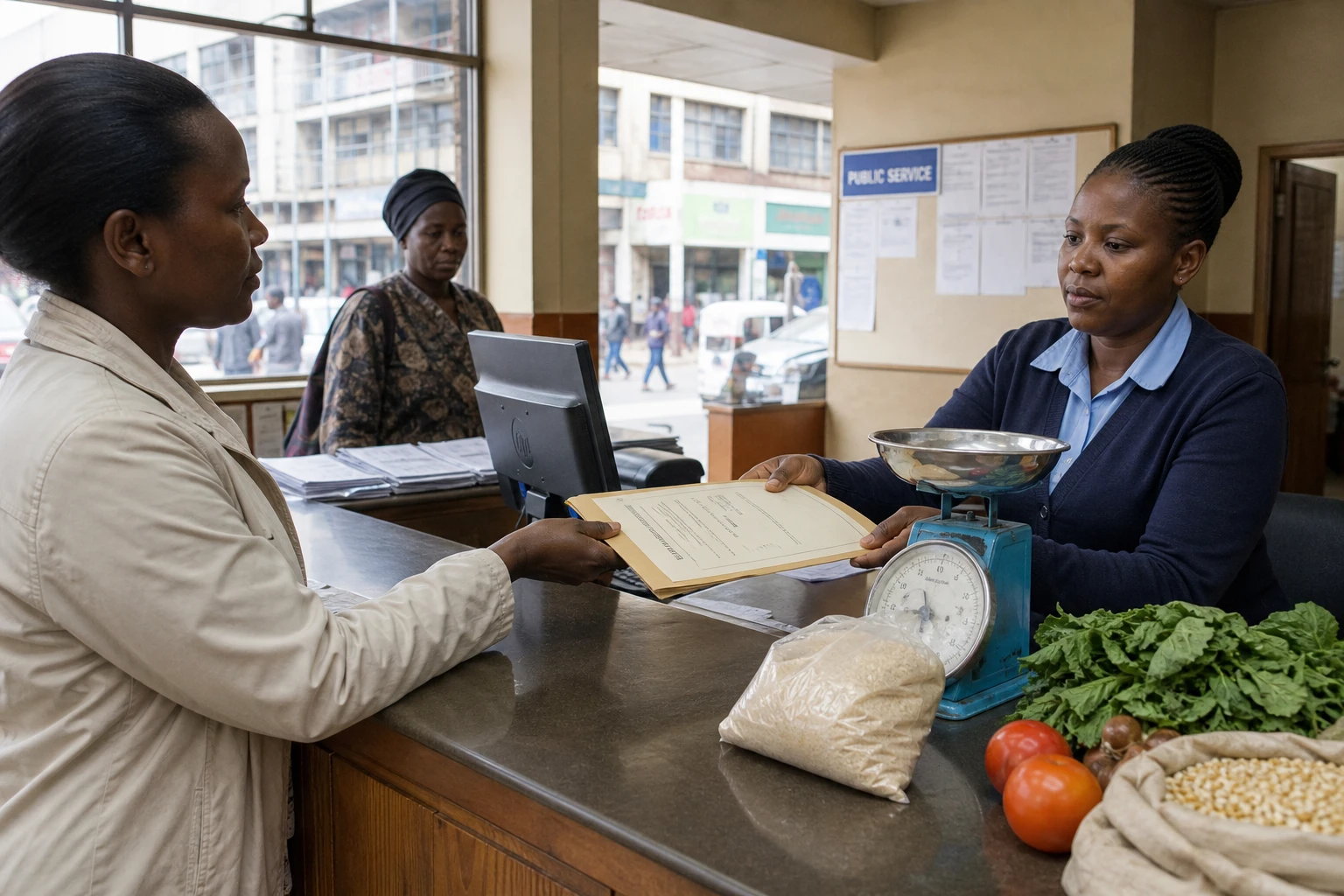
In Nairobi, the food basket does not empty all at once. It shrinks week by week: less flour, fewer vegetables, sometimes fewer meals. Behind the pressure on Kenyan households, a pattern is becoming clear. Rainfall is growing more erratic, harvests less certain and transport more expensive.
Unpredictable rains reach the markets
Kenya is not facing a single agricultural crisis. The country must contend with successive shocks, sometimes in opposite directions. A dry spell degrades pasture and reduces harvests. A few months later, overly heavy rains can devastate fields, cut off roads and disrupt supplies.
The World Food Programme estimates that 95% of rural Kenyan crops depend directly on rainfall. This exposure is particularly acute in arid and semi-arid areas, which account for about 80% of the country’s territory. In these regions, livestock also plays a central role in family incomes and diets.
The 2025 report by the Kenya Meteorological Department describes a highly uneven distribution of rainfall. Some agricultural areas enjoyed favourable conditions. Others saw water reserves, pasture and food stocks deteriorate rapidly.
This regional divide is crucial. The Rift Valley, the west and some central areas can record good harvests. At the same time, counties in the north and north-east have to buy more food on the markets. They are then more vulnerable to rising prices for maize, milk, vegetables and livestock feed.
Maize, a barometer of food pressures
In Kenya, maize remains a staple food and an immediate gauge of the cost of living. According to FAO monitoring, its retail price rose by an average of 5% between November 2025 and February 2026. In February 2026, it was about 15% more expensive than a year earlier.
In the marginal agricultural areas of the south-east and the coast, the annual increase was about 20%. The FAO links this trend to poor results from the short rains between October and December 2025. Higher fuel prices also increased the cost of transport between production zones, wholesalers and local markets.
This increase is not passed on evenly. In Nairobi’s low-income neighbourhoods, families may buy smaller quantities or replace some products with cheaper foods. In rural areas, farming households may have stocks, but they may also be forced to sell part of their harvest or livestock to cover everyday expenses.
Street vendors and small retailers face pressure on two fronts. They pay more to stock up, while their customers have less money to spend. Their margins shrink. Some cut volumes or prioritise fast-selling products, potentially further reducing the range on offer in local markets.
A crisis that goes beyond food prices
Food security depends not only on how much is produced. It also rests on the ability to transport, store and buy food. A road damaged by flooding can delay deliveries. Higher fuel costs can make a harvest affordable in a large city but too expensive for a rural household living far away.
The Kenya National Bureau of Statistics tracks changes in food and non-alcoholic beverage prices separately in the consumer price index. This category weighs heavily on low-income budgets, as the poorest households spend a large share of their income on food.
The consequences are therefore social as well as economic. A family may put off buying clothes, medicines or school supplies to keep food on the table. Informal workers, whose incomes vary from day to day, are particularly exposed. In Nairobi, the increases are felt in markets and small restaurants. In pastoral counties, they compound livestock losses and falling income from milk.
Children can also be affected indirectly. When meals become less frequent or less varied, the risk of malnutrition rises. The WFP says 29% of children living in rural Kenya are stunted. This figure does not measure only the impact of a poor season. It also reflects the persistent vulnerability of some households to climate and economic shocks.
Arid areas remain the most exposed
The situation is particularly difficult in the arid and semi-arid lands, known as ASAL. According to the FAO monitoring brief published in 2026, about 3.7 million people in these areas could face crisis-level food insecurity or worse between April and June 2026.
The deterioration is linked to poor short rains at the end of 2025. Wajir, Mandera and Tana River counties are among the areas of greatest concern. In some localities, between 40% and 60% of the population assessed could face acute food insecurity at “crisis” level or above.
For herders, the problem is not limited to the price of maize. The decline in animals’ body condition reduces their value on the markets. According to the FAO, in Wajir and Mandera the amount of maize a herder could obtain in exchange for an average goat fell from about 55 kilograms in February 2025 to 30 or 35 kilograms in February 2026.
This trend weakens an economic system already shaped by seasonal movements, unequal access to water and long distances between villages and markets. It can also heighten tensions over pasture and water points, especially when several communities and herds converge in the same areas.
The challenge for Nairobi and East Africa
The Kenyan government must therefore act on several fronts at once: support production, improve water reserves, reduce post-harvest losses and protect trade routes. Solutions cannot rely solely on emergency aid distributed after each drought or flood.
Kenya already has a diverse agricultural sector and production zones capable of supplying domestic markets. The challenge now is to connect these capacities more effectively with the most vulnerable areas. That means suitable irrigation, drought-resistant seeds, early-warning systems and more efficient storage mechanisms.
The issue extends beyond Kenya’s borders. Within the East African Community, trade with Uganda, Tanzania, Rwanda and other neighbouring countries affects availability and prices. A poor season in several countries can quickly increase regional demand and complicate imports.
For Nairobi, the next test will be twofold. It will have to contain pressure on purchasing power while investing in agriculture that is less dependent on rainfall. For households, the challenge is immediate: to keep eating well despite prices that now respond to the weather, fuel costs and road conditions. For East Africa, Kenya is a reminder of a wider reality: climate adaptation has become a food policy in its own right.