Algeria
 Egypt
 Libya
 Morocco
 Sudan
 Tunisia
 Benin
 Burkina Faso
 Cabo Verde
 Côte d'Ivoire
 Ghana
 Guinea
 Guinea-Bissau
 Liberia
 Mali
 Mauritania
 Niger
 Nigeria
 Senegal
 Sierra Leone
 The Gambia
 Togo
 Cameroon
 Central African Republic
 Chad
 DR Congo
 Equatorial Guinea
 Gabon
 Republic of the Congo
 São Tomé and Príncipe
 Burundi
 Comoros
 Djibouti
 Eritrea
 Ethiopia
 Madagascar
 Malawi
 Mauritius
 Mozambique
 Rwanda
 Seychelles
 Somalia
 South Sudan
 Tanzania
 Uganda
 Angola
 Botswana
 Eswatini
 Lesotho
 Namibia
 South Africa
 Zambia
 Zimbabwe
When wildlife pays the price of pressure on land
In southern Kenya, the death of elephants is never just a brief news story. In Amboseli, every carcass says something more: that coexistence between wildlife, crops and livestock is under strain in a landscape where water, grazing land and migration corridors have become contested resources. The park, described by the Kenya Wildlife Service as one of the country’s major sanctuaries, remains a symbol of Kenyan tourism and a key landmark for Maasai communities in Kajiado County.
The current alert is therefore part of a familiar geography. Amboseli is not an isolated space, but an open ecosystem linked to inhabited and agricultural areas in southern Kenya. That is also why tensions regularly return, especially when the dry season brings herds, crops and elephants closer together. In the background, the East African Community and Kenyan conservation bodies have for years sought to reconcile biodiversity protection, the safety of local residents and tourism revenue.
What the initial investigations say
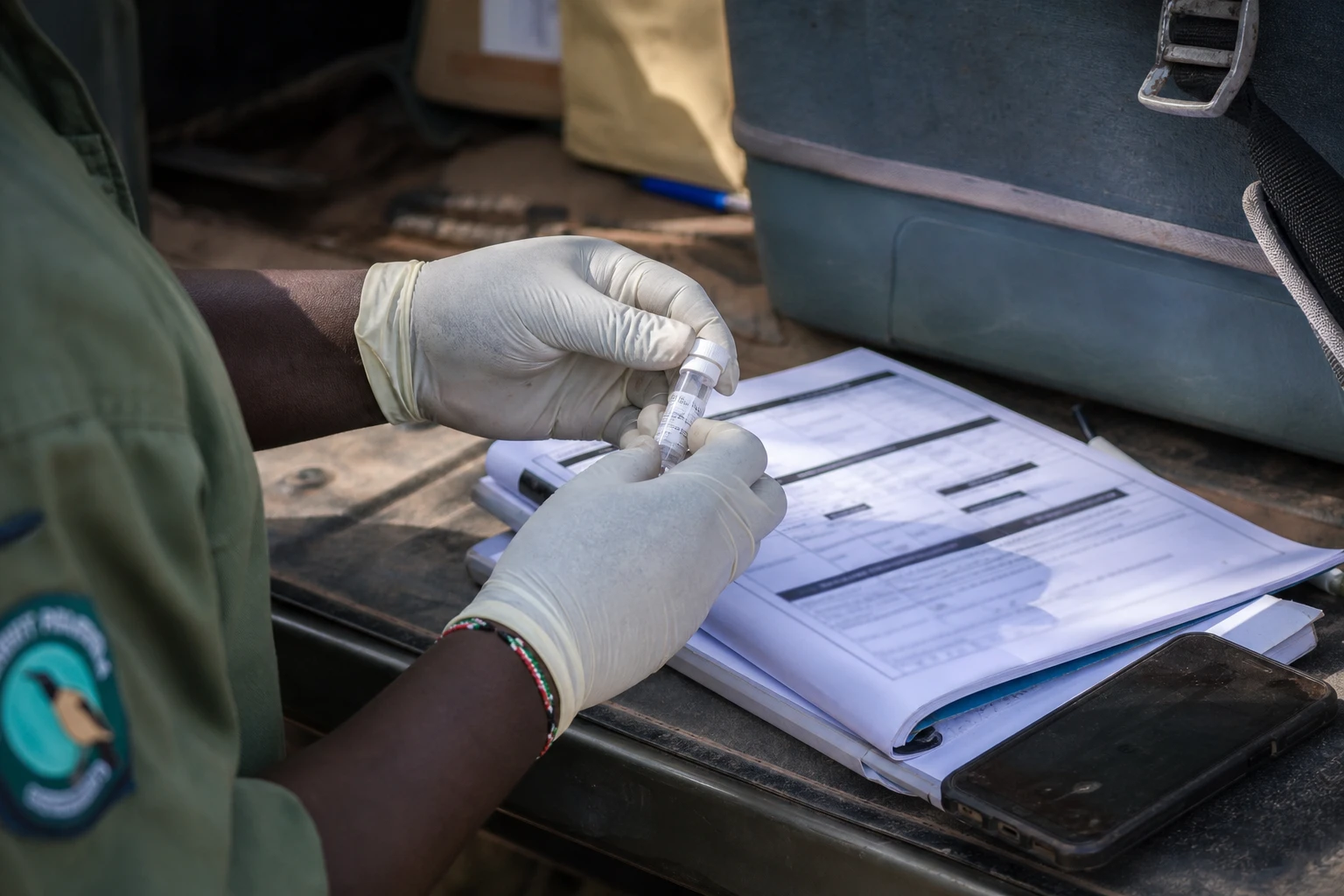
Since late June, Kenyan authorities have recorded 15 to 16 deaths in figures released during the investigations, followed by 14 confirmed cases in the Amboseli ecosystem as of 28 July, before referring to new laboratory results. Veterinary services at the Kenya Wildlife Service said several animals had shown signs of partial paralysis before dying, while other carcasses were already too decomposed for a full assessment of the case. Samples were sent to the University of Nairobi and other public laboratories.
On 29 July, the KWS told local media that preliminary tests had detected cyanide, a substance highly toxic to elephants. The proposed scenario involved tomatoes from nearby plots contaminated with pesticides. A week later, farmers in the area disputed this account and asked to see the full results, a sign that in East Africa environmental crises often play out as much in laboratories as in fields.
The authorities also stressed that, at this stage, they had not established any immediate danger to humans. But they warned that a poison of this kind could affect far more than elephants: livestock, goats, cattle and, more broadly, the local food chain. In a region where the informal economy still accounts for a large share of trade, a single poisoning incident can affect several livelihoods at once.
A local conflict that goes beyond conservation
The heart of the problem lies not only in the number of elephants that have died. It lies in the nature of the conflict. Around Amboseli, cultivated land is expanding, fields are encroaching on historic migration routes, and farmers are struggling to bear repeated crop losses. Wildlife managers, for their part, point out that Kenya recorded thousands of incidents involving wild animals between 2022 and 2024, with elephants among the species most frequently involved. Incidents remained very high in 2024, according to official figures reported by the Kenyan press.
Compensation is also a major issue. Kenya’s legal framework provides for compensation for damage caused by wildlife, but procedures are lengthy and often poorly understood on the ground. In rural areas, these delays fuel quiet anger: families see their crops destroyed, and sometimes relatives injured or killed, before receiving a tardy administrative response. The government has promised to speed up these mechanisms, and the presidency says it has already disbursed billions of shillings to victims of human-wildlife conflict, but the gap between the promise and everyday experience remains real.
Kenya nevertheless has substantial ecological capital. The latest national census published by the public wildlife research agency estimated the elephant population at 42,072, up from 2021. This growth is a conservation success, but it does not erase local tensions. On the contrary, it is a reminder that a herd in better health also occupies more space and crosses more inhabited areas. Protecting the species therefore requires safe corridors, suitable barriers, warning systems and solutions negotiated with communities.
At national level, the case raises questions about Amboseli’s place in Kenya’s economy. The park remains a tourism showcase, with its large herds and proximity to Kilimanjaro, but it is also a living space for the Maasai and a flashpoint between conservation and land use. When one of these balances breaks down, an entire model is at risk: tourism revenue, Kenya’s international image, local food security and trust in conservation institutions.
What East Africa needs to watch
The case also goes beyond Kenya. Across the region, human-wildlife conflicts are multiplying as agriculture expands, populations grow and droughts occur. The Intergovernmental Authority on Development, the East African Community and regional environmental agencies are all tracking, to varying degrees, the same challenge: preserving ecological corridors without undermining rural households. The deaths in Amboseli are a reminder that conservation policy depends not only on protecting species, but also on governing land, water and compensation.
In the coming weeks, attention will remain focused on the full toxicology results, the exact source of the cyanide cited by investigators and any legal or administrative response that may follow. In Nairobi and Kajiado, the question is clear: whether these deaths resulted from accidental poisoning, an act of retaliation linked to crops or more widespread environmental contamination. The answer will matter far beyond Amboseli, as it will also show how Kenya intends to protect its natural heritage without cutting it off from the people who live alongside it.