Algeria
 Egypt
 Libya
 Morocco
 Sudan
 Tunisia
 Benin
 Burkina Faso
 Cabo Verde
 Côte d'Ivoire
 Ghana
 Guinea
 Guinea-Bissau
 Liberia
 Mali
 Mauritania
 Niger
 Nigeria
 Senegal
 Sierra Leone
 The Gambia
 Togo
 Cameroon
 Central African Republic
 Chad
 DR Congo
 Equatorial Guinea
 Gabon
 Republic of the Congo
 São Tomé and Príncipe
 Burundi
 Comoros
 Djibouti
 Eritrea
 Ethiopia
 Kenya
 Madagascar
 Malawi
 Mauritius
 Mozambique
 Rwanda
 Seychelles
 Somalia
 South Sudan
 Tanzania
 Uganda
 Angola
 Botswana
 Eswatini
 Lesotho
 Namibia
 Zambia
 Zimbabwe
A city built on gold, now weakened by what it left underground
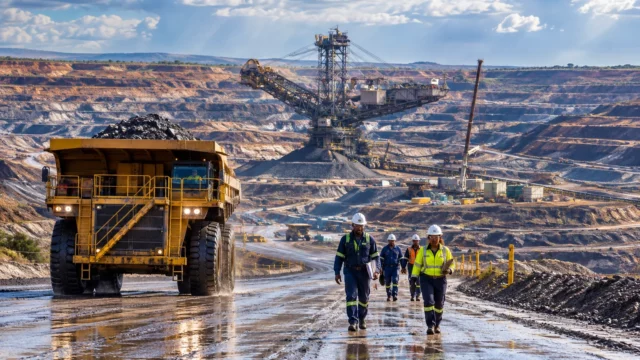
In Johannesburg, the ground still tells the story of the wealth that gave rise to the city. But it also speaks of its vulnerability. Beneath several neighbourhoods, abandoned tunnels and illegal excavations are now undermining roads, pipelines and some buildings. South Africa’s economic capital, in the heart of Gauteng, is paying the price for a mining history that has never really disappeared.
This is not merely a policing problem. It affects transport, water, electricity and residents’ safety. In a metropolis where formal economic activity depends on roads that are already heavily used, every subsidence slows travel, raises repair costs and adds to the pressure on already stretched municipal budgets.
Visible subsidence, a deeper clandestine operation
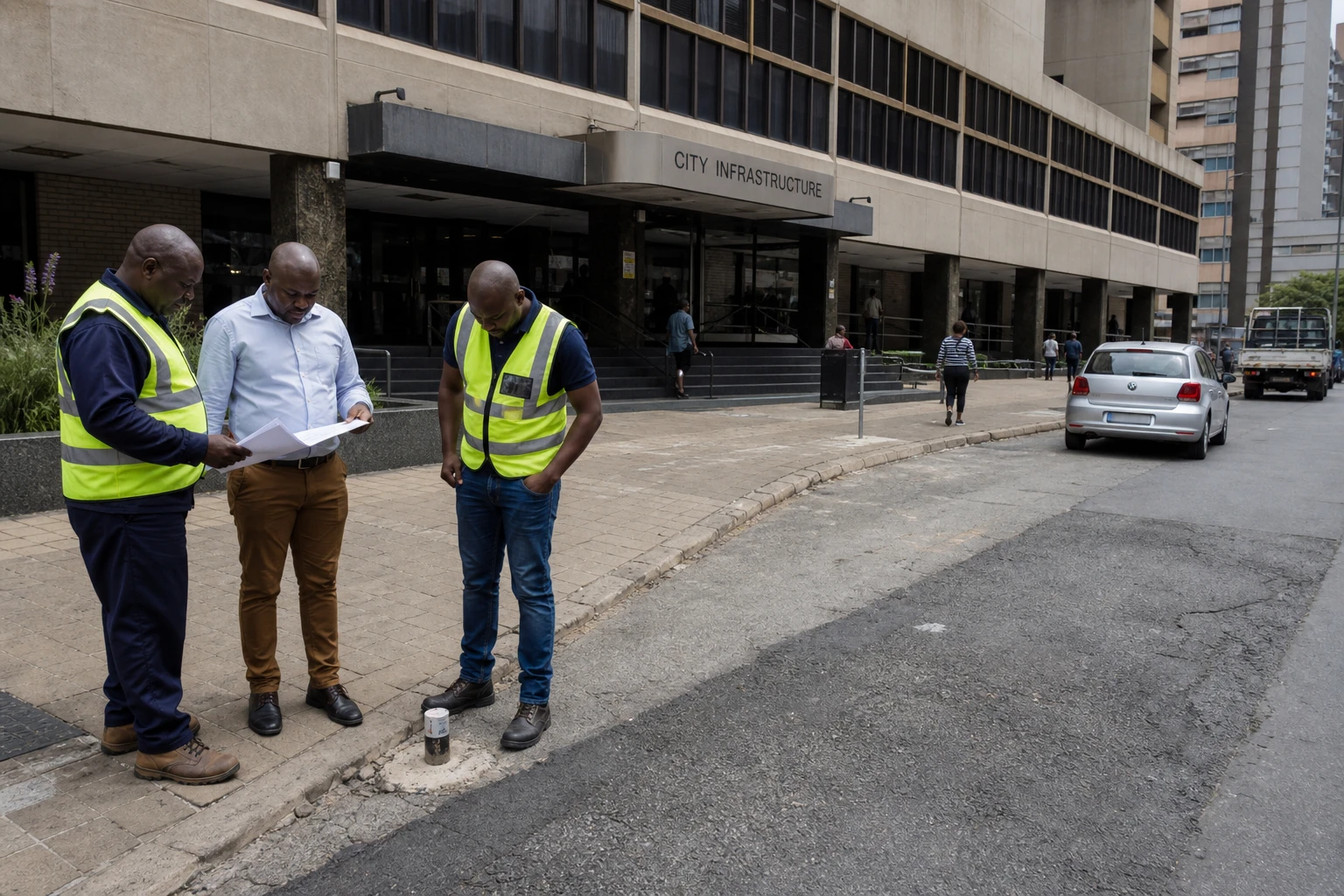
The City of Johannesburg raised the alarm in May 2026 over collapsed roads, sinkholes and damaged sewer networks in several areas, including Regions C and F. Inspections by the municipality and the Johannesburg Roads Agency identified deep cavities, in some cases reaching 22 metres, around Roodepoort, Witpoortjie, Booysens, Turffontein and Selby.
Local authorities say illegal miners, often known as zama zamas, exploit abandoned shafts or dig new tunnels beneath built-up neighbourhoods. Their activity damages more than just road surfaces. It also weakens urban service networks, complicating repairs and creating a risk of wider collapses.
The warning comes amid a tougher national response. Since the start of 2026, Pretoria has stepped up joint operations between the South African Police Service and the army, including dedicated initiatives to tackle illegal gold mining and organised crime. The South African Parliament has also stressed the need for coordinated action, while noting that the social and economic causes of the problem cannot be ignored.
For residents, the danger is immediate; for the state, the bill is becoming structural
On the ground, the fear is real. A stretch of road that subsides can cut off a neighbourhood. A ruptured pipe can shut off water. Subsidence near a bridge can bring thousands of vehicles to a halt. In Johannesburg, repairs are no longer a simple maintenance task. They have become a street-by-street effort to defend the city, involving repeated and costly interventions.
The problem also exposes the power of the networks behind illegal mining. The profits do not go to the illegal workers but to better-organised groups, often armed and mobile. This is why the municipality is calling for a response beyond its own remit, with greater coordination between the police, municipal services, provincial authorities and central government.
Johannesburg remains the city born of the Witwatersrand gold rush, which began in 1886. That past explains its economic density, but also the persistence of hundreds of abandoned shafts beneath the metropolis. This mining legacy, long seen as a strength, has become an urban liability now that illegal mining has moved into the voids left behind.
A warning for southern Africa and the continent’s mining governance
The case of Johannesburg reaches beyond the local level. In southern Africa, where mining corridors, service towns and former extraction basins intersect, illegal gold mining raises a governance question: who monitors the voids left by mining, who pays to seal them, and who protects neighbourhoods built above them? SADC has no single solution, but the issue directly affects urban safety, the informal economy and trust in institutions.
For South Africa, the stakes are also political. The City of Johannesburg remains a national symbol: an economic showcase, financial crossroads and logistics hub. If its infrastructure gives way under clandestine activity, the country’s image of urban resilience will be shaken. The coming weeks will show whether the operations launched in 2026 are enough to stabilise the most exposed neighbourhoods, or whether the metropolis will have to embark on a longer phase of restoration and underground security.