Algeria
 Egypt
 Libya
 Morocco
 Sudan
 Tunisia
 Benin
 Burkina Faso
 Cabo Verde
 Côte d'Ivoire
 Ghana
 Guinea
 Guinea-Bissau
 Liberia
 Mauritania
 Niger
 Nigeria
 Senegal
 Sierra Leone
 The Gambia
 Togo
 Cameroon
 Central African Republic
 Chad
 DR Congo
 Equatorial Guinea
 Gabon
 Republic of the Congo
 São Tomé and Príncipe
 Burundi
 Comoros
 Djibouti
 Eritrea
 Ethiopia
 Kenya
 Madagascar
 Malawi
 Mauritius
 Mozambique
 Rwanda
 Seychelles
 Somalia
 South Sudan
 Tanzania
 Uganda
 Angola
 Botswana
 Eswatini
 Lesotho
 Namibia
 South Africa
 Zambia
 Zimbabwe
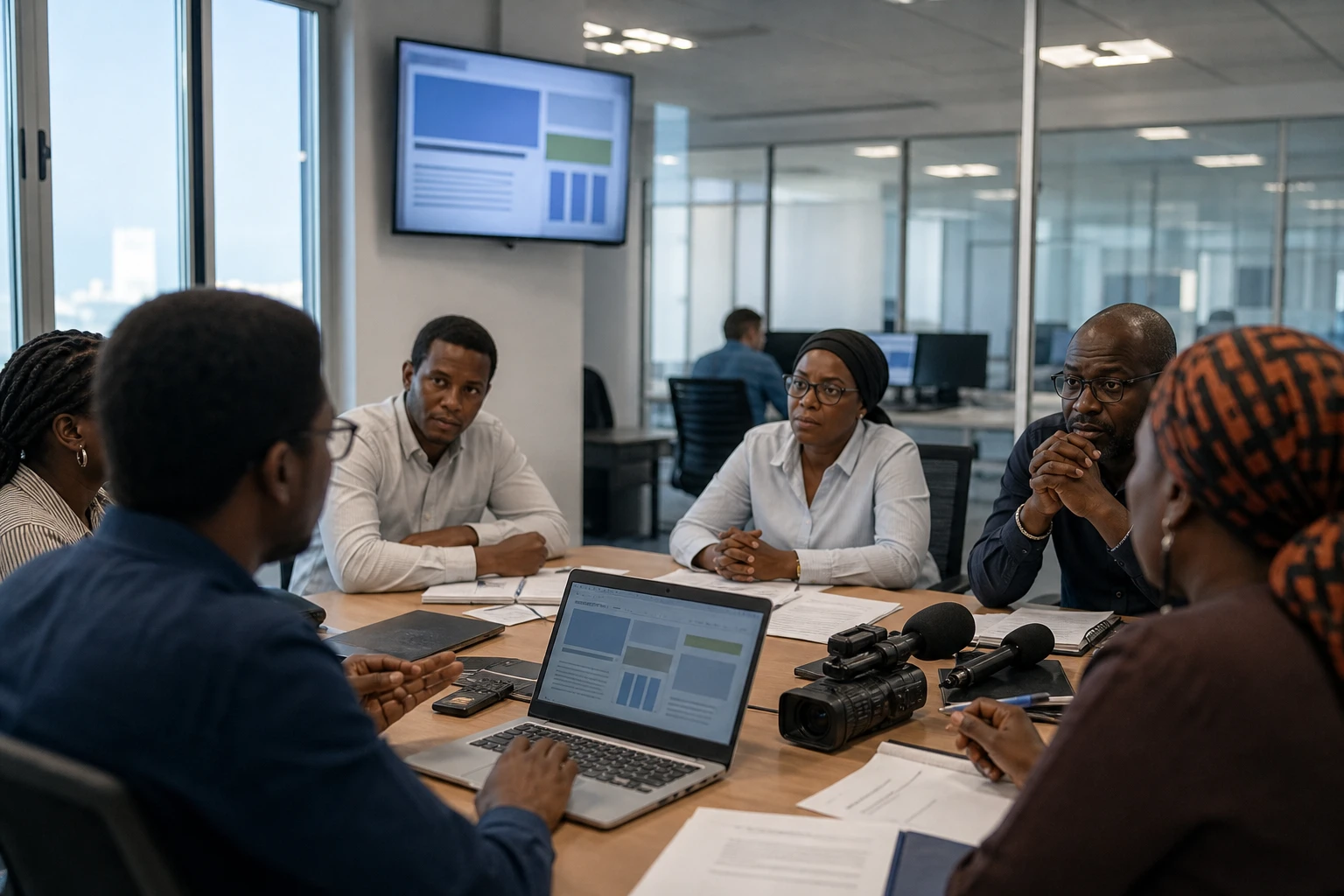
When regional diplomacy runs along everyday roads
Between Dakar and Bamako, relations are reflected not only in communiqués. They can also be seen in lorries, freight prices and the security of convoys. For landlocked Mali, this route remains a vital artery. For Senegal, it is a major gateway to the interior of the Sahel.
It is against this backdrop that Bassirou Diomaye Faye is expected in Bamako for a working visit. The Senegalese president arrives in a dual role: as head of state and as facilitator for the Economic Community of West African States, ECOWAS, in discussions with the countries of the Alliance of Sahel States, the AES. The organisation brings together Mali, Burkina Faso and Niger, three states governed by military-led transitional regimes.
The visit is no trivial matter. It comes as relations between Bamako and ECOWAS remain strained following the announcement that the three Sahelian countries would withdraw from the West African bloc, while regional capitals are still seeking a formula for rapprochement acceptable to all.
A visit within the Mali-ECOWAS sequence
This is not the Senegalese leader’s first visit to Bamako. On 30 May 2024, a few weeks after his inauguration, he had already travelled to Mali for a visit to meet the transitional authorities. The stop was part of a wider tour of AES capitals, at a time when Dakar was already urging that a lasting rift between neighbours be avoided.
A few weeks later, ECOWAS officially appointed Bassirou Diomaye Faye as facilitator in its discussions with Mali, Burkina Faso and Niger, alongside Togo’s president, Faure Gnassingbé. The mission places him at the heart of a sensitive issue: maintaining a political channel with states that have been challenging the existing regional framework for months, without breaking off dialogue.
Mali nevertheless remains central to West African balances. The country shares a strategic corridor with Senegal, Dakar-Bamako, along which goods, fuel, food products and a significant share of trade between the two countries pass. The Central Bank of West African States notes that Mali is a landlocked country that relies on its coastal neighbours for external supplies. In this geography, Senegal plays an essential role as a gateway.
The facts and what they say about the balance of power
The visit is expected to focus on the future of relations between ECOWAS and the AES. Since the political break in 2024, the region has been operating according to two parallel logics: on one side, the longstanding West African organisation; on the other, a Sahelian confederation born of closer ties between Bamako, Ouagadougou and Niamey. Dialogue continues, but no lasting compromise has yet been reached.
This situation has a tangible cost. Security tensions in western Mali and along road routes have disrupted freight traffic. Senegalese transport operators have already temporarily suspended their services to Mali, according to reports carried by haulage organisations and the regional press. For businesses, this means longer delays. For households, it can mean higher prices. For drivers, it means greater exposure to risks.
The political significance is just as clear. Senegal is seeking to preserve its position as a bridge between the Atlantic coast and the Sahel. Mali, for its part, wants to avoid economic isolation, even amid a hardening of its sovereignty-first stance. Both states therefore have an interest in maintaining a minimum level of dialogue, even as regional institutional frameworks run up against mistrust.
Bassirou Diomaye Faye’s visit also comes shortly after the launch of his own political party in Dakar. This detail matters because it is a reminder that the Senegalese president is operating on two fronts at once: domestic politics, where he is consolidating his base, and regional diplomacy, where he must persuade without giving the impression that he is speaking on behalf of one bloc against another.
What this sequence changes for West Africa
Beyond the meeting between Dakar and Bamako, the entire West African system is being put to the test. ECOWAS, long regarded as one of the continent’s most integrated frameworks, must now contend with announced departures, military-led transitions and calls for a fundamental overhaul of its methods. The AES, meanwhile, is seeking to assert its own political and security coherence.
In this context, Senegal’s role is delicate. The country has no interest in cutting itself off from its Sahelian partners. But nor can it unreservedly align itself with transitional regimes that openly challenge common rules. Its room for manoeuvre therefore lies in mediation, economic ties and shared interests, rather than declarations of principle.
What happens next will depend on the two sides’ ability to separate the issues. Security, the movement of goods, cross-border cooperation, transport and access to markets can make progress faster than the institutional question. This is often where lasting breakthroughs begin. That is what is at stake for West Africa: preventing the political crisis from ultimately breaking the ties of trade that still hold the region together.