Algeria
 Egypt
 Libya
 Morocco
 Tunisia
 Benin
 Burkina Faso
 Cabo Verde
 Côte d'Ivoire
 Ghana
 Guinea
 Guinea-Bissau
 Liberia
 Mali
 Mauritania
 Niger
 Nigeria
 Senegal
 Sierra Leone
 The Gambia
 Togo
 Cameroon
 Central African Republic
 Chad
 DR Congo
 Equatorial Guinea
 Gabon
 Republic of the Congo
 São Tomé and Príncipe
 Burundi
 Comoros
 Djibouti
 Eritrea
 Ethiopia
 Kenya
 Madagascar
 Malawi
 Mauritius
 Mozambique
 Rwanda
 Seychelles
 Somalia
 South Sudan
 Tanzania
 Uganda
 Angola
 Botswana
 Eswatini
 Lesotho
 Namibia
 South Africa
 Zambia
 Zimbabwe
In El-Fasher, seeing the images was not enough to stop the war. A year after the Rapid Support Forces (RSF) seized the city, evidence of the massacres has mounted, but civilians remain caught in a conflict with no political settlement. The challenge is now twofold: protecting survivors and turning documentation of crimes into tangible consequences.
A besieged city, then seized by the RSF
El-Fasher, the capital of North Darfur state, was the last major centre in the region held by the Sudanese army. The RSF, a paramilitary force led by Mohamed Hamdan Dagalo, known as Hemedti, seized the city on 26 October 2025, after about 18 months of siege. The war between the army and the RSF began in April 2023, amid a power struggle and disputes over the integration of the armed forces.
The siege isolated residents and restricted access to food and healthcare. The fall of El-Fasher also shifted the balance of power in Darfur, where the city was a strategic hub. Since then, the war has not been limited to a clash between two military commands: civilians, healthcare workers, aid workers and displaced communities are directly suffering its effects.
The United Nations Human Rights Office estimates that at least 6,000 people were killed in just over three days during the final offensive and the capture of the city. Its figures include at least 4,400 deaths inside El-Fasher and more than 1,600 people killed on escape routes. The UN says the actual total could be higher. These figures document events recorded by the organisation; they are not a definitive death toll.
In its investigation, the Human Rights Office described violations that may amount to war crimes and, in some cases, crimes against humanity. Human Rights Watch, in its assessment published on 26 October 2026, describes a largely destroyed and mostly abandoned city. Amnesty International has also gathered new accounts from civilians reporting killings, detention and torture after the city was seized.
Visible evidence, protection still inadequate
Images and accounts circulated after the fall of El-Fasher have made some acts of violence harder to deny. But documenting a crime does not mean preventing it or punishing those responsible. Gathering evidence, identifying victims and protecting witnesses are lengthy processes, particularly when access to the area and communications are limited.
The Sudan News Agency reports that, on the first anniversary, Sudanese national television devoted a day to survivors’ accounts and questions of justice and remembrance. The initiative shows that commemoration is also taking place in Sudan, through Sudanese institutions and voices. It does not, however, replace an independent investigation or security guarantees for those who testify.
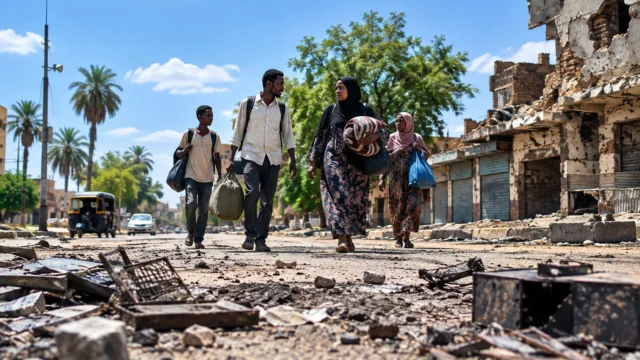
For residents who fled, the city’s fall does not mark the end of the danger. Displacement has separated families and scattered communities; those who stayed or returned to a destroyed city must contend with degraded essential services. The risks are not the same for everyone: women and girls face specific forms of violence, while older people, the sick and people with disabilities face greater obstacles to fleeing or accessing aid.
The conflict is also taking a toll on local economies. When roads are cut off, markets and the informal activities that sustain many households are disrupted. The authorities and fighters control territory and routes, but it is residents who bear the weight of displacement, insecurity and the collapse of services.
Regional diplomacy faces the test on the ground
IGAD, the regional organisation for East Africa, is calling for a ceasefire and a Sudanese-led political process. It also stresses that fragmented mediation cannot replace a coherent approach. In October 2026, the United Nations said consultations involving the African Union, IGAD, the UN, the European Union and the League of Arab States were continuing with Sudanese civil and political actors.
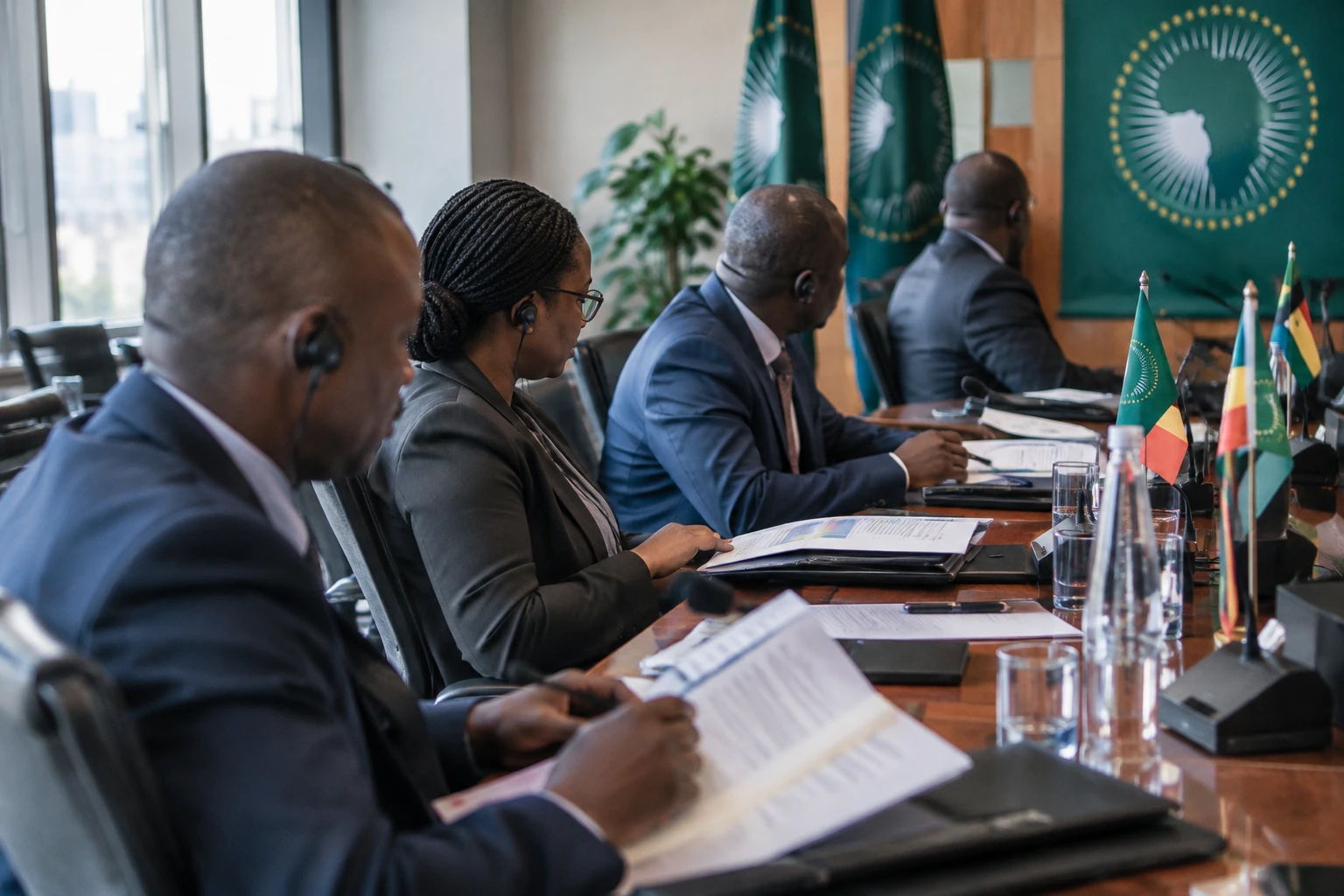
This coordination is important, but it does not resolve differences between diplomatic initiatives or the question of the military balance of power. The African Union had already called for an end to the fighting and the protection of civilians around El-Fasher. A year later, the priority remains to make these commitments effective: safe humanitarian access, civilian protection and conditions that allow displaced people to return without facing further violence.
Justice is another test. An international coalition focused on atrocity prevention and justice for Sudan recalled, ahead of the anniversary, the importance of investigations and accountability mechanisms, including the International Criminal Court’s work on Darfur. For testimonies not to remain mere archives, the evidence gathered must be preserved, verified and submitted in credible proceedings, with survivors’ safety as a central requirement.
The toll in El-Fasher therefore says not only what happened in October 2025. It also measures the gap between the warning, the international response and the actual protection of the population. For Sudanese people, the immediate concern remains survival and a return to civilian life. For IGAD and the African Union, the test is to bring diplomacy, humanitarian access and accountability together, as the war continues to reshape the country.