Algeria
 Egypt
 Libya
 Morocco
 Sudan
 Tunisia
 Benin
 Burkina Faso
 Cabo Verde
 Côte d'Ivoire
 Ghana
 Guinea
 Guinea-Bissau
 Liberia
 Mali
 Mauritania
 Niger
 Nigeria
 Senegal
 Sierra Leone
 The Gambia
 Togo
 Cameroon
 Central African Republic
 Chad
 DR Congo
 Equatorial Guinea
 Gabon
 Republic of the Congo
 São Tomé and Príncipe
 Burundi
 Comoros
 Djibouti
 Eritrea
 Ethiopia
 Madagascar
 Malawi
 Mauritius
 Mozambique
 Rwanda
 Seychelles
 Somalia
 South Sudan
 Tanzania
 Uganda
 Angola
 Botswana
 Eswatini
 Lesotho
 Namibia
 South Africa
 Zambia
 Zimbabwe
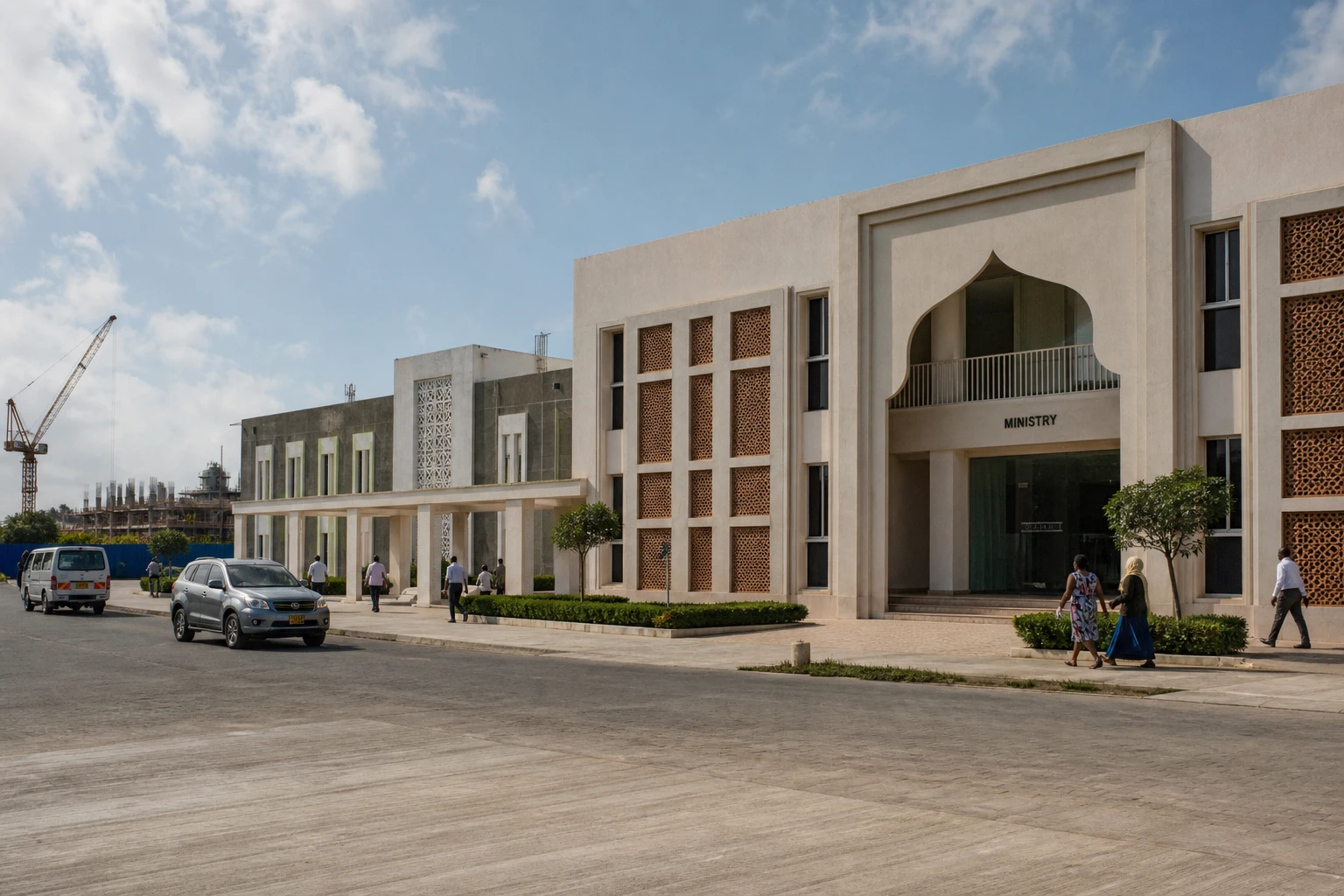
In Lamu, the debate is no longer only about the arrival of a refinery. It is about the development model Kenya wants to establish on its coast. On one side, a $16 billion industrial project promises to reduce fuel imports and create tens of thousands of jobs. On the other, residents are demanding guarantees for their land, livelihoods and the future of their territory.
A project designed for East Africa
On 30 September 2026, the group led by Nigerian Aliko Dangote officially launched work on a refinery in Lamu, in south-eastern Kenya. The ceremony was attended by Kenyan President William Ruto and several African leaders. The site is to host a facility capable of processing up to 700,000 barrels of crude oil a day.
The project is billed as one of the largest private investments ever made in Kenya. Its cost is estimated at $16 billion, or about 2,200 billion Kenyan shillings. The Dangote Group is targeting a start-up around 2030, with construction expected to take about 40 months.
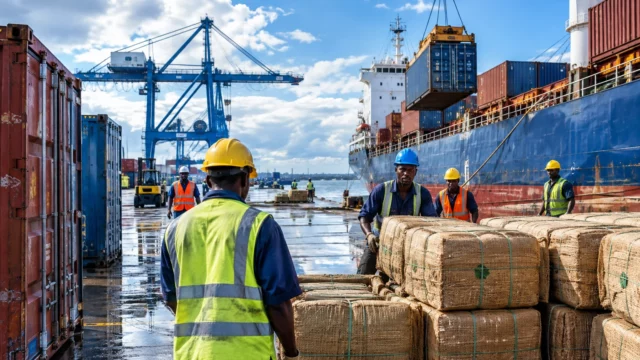
The refinery is expected to produce petrol, diesel, kerosene and other petroleum products. It is also set to include petrochemical facilities, storage capacity, maritime infrastructure and a power-generation unit. Products would be destined for Kenya as well as neighbouring East African markets.
This approach is in line with the LAPSSET corridor, a major programme linking the port of Lamu with northern Kenya, Ethiopia and South Sudan. The corridor is intended to strengthen regional trade through roads, oil pipelines, rail and port infrastructure. The new refinery could therefore turn Lamu into a regional energy hub.
The Dangote Group says the choice of Lamu is based in particular on the depth of its waters, the strength of the ground and direct access to the sea. The project was initially considered for Tanga, Tanzania, before being moved to the Kenyan coast. The authorities now present the facility as a tool for economic integration in East Africa.
Economic promises meet local concerns
For Nairobi, the stakes are high. Kenya still imports most of the petroleum products consumed by its economy. Regional production could reduce dependence on shipments from the Middle East and limit exposure to fluctuations in freight costs, exchange rates and global prices.
The government also estimates that the refinery will create up to 60,000 direct and indirect jobs. A training centre for 1,000 young people has also been announced. These figures, however, are projections. Their impact will depend on the contracts actually signed, the extent of local subcontracting and the opportunities given to workers from Lamu.
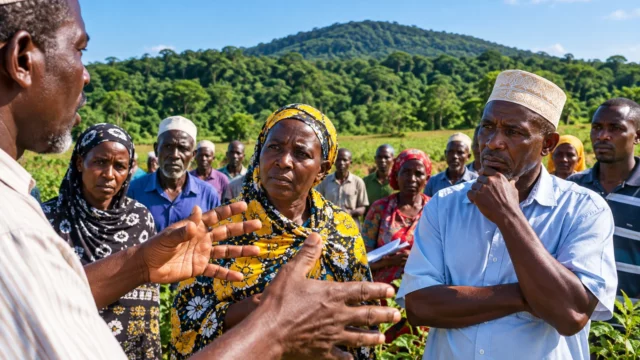
This issue is central in a county where the economy relies heavily on fishing, tourism, small businesses and maritime activities. Residents are therefore not assessing the project solely by its industrial capacity. They want to know how many jobs will remain local, what compensation will be paid and which areas will be accessible during construction.
Lamu is also a distinctive cultural and historic area. Its old town, Swahili architecture and marine environment attract Kenyan and foreign visitors. For tourism businesses, the arrival of oil tankers, storage tanks and new roads could change the destination’s image. One local operator sums up this concern by pointing out that visitors come first and foremost for the culture, coastline and heritage.
Opposition has already taken a legal route. Residents say the conditions for using the land must be clarified. According to reports by the Associated Press, a court ruling called for the status quo at the site to be maintained while a land-ownership complaint is examined. Protests have also been reported in Lamu, particularly over the level of compensation.
Environmental organisations, for their part, have warned of the potential effects of the construction work on mangroves, coastal waters, reefs and fishing grounds. These risks will need to be assessed through a comprehensive impact study. The Kenyan government has promised a rigorous environmental process, after facing criticism for statements seen as too quick to endorse the project.
A power struggle that extends beyond Lamu
The debate reflects a familiar tension across the continent: how to industrialise without shifting the cost of development on to communities already living in the territories concerned. In Lagos, the Dangote refinery has demonstrated the potential of local fuel production. It has also shown that a complex of this scale requires major infrastructure, substantial financing and strong regional markets.
In Lamu, the question of financing is therefore as important as that of construction. Aliko Dangote has said that US investors could take part in the project. He has also said that several East African countries could jointly take a 30% stake in the refinery. How the capital is distributed and what public guarantees are provided will be crucial in assessing the risks borne by Kenya.
The announced capacity of 700,000 barrels a day far exceeds Kenya’s current consumption. The complex’s viability will therefore depend on exports to the markets of the East African Community, the regional organisation that includes Kenya, Uganda, Tanzania, Rwanda, Burundi, South Sudan, the Democratic Republic of the Congo and Somalia, among others. Pipelines, roads and trade agreements will have to follow.
The project is also being developed as several countries in the region seek to make better use of their resources. Uganda wants to develop its own oil industry and continues to champion the idea of domestic refining. Kenya, meanwhile, is banking on Lamu to become a regional centre for processing, storage and distribution. These strategies could complement one another, but they could also generate competition between ports and infrastructure.
For the people of Lamu, the next test will be tangible: access to land, compensation, recruitment, protection of maritime activities and publication of environmental studies. For Nairobi, the challenge will be to turn an industrial promise into measurable benefits without undermining a territory whose economy already rests on delicate balances.
The refinery could thus strengthen East Africa’s energy security. But its success will not be measured only in barrels produced. It will also be judged by Kenya’s ability to involve local communities, protect the coastline and make Lamu an industrial hub without erasing its identity.