Algeria
 Egypt
 Libya
 Morocco
 Sudan
 Tunisia
 Burkina Faso
 Cabo Verde
 Côte d'Ivoire
 Ghana
 Guinea
 Guinea-Bissau
 Liberia
 Mali
 Mauritania
 Niger
 Nigeria
 Senegal
 Sierra Leone
 The Gambia
 Togo
 Cameroon
 Central African Republic
 Chad
 DR Congo
 Equatorial Guinea
 Gabon
 Republic of the Congo
 São Tomé and Príncipe
 Burundi
 Comoros
 Djibouti
 Eritrea
 Ethiopia
 Kenya
 Madagascar
 Malawi
 Mauritius
 Mozambique
 Rwanda
 Seychelles
 Somalia
 South Sudan
 Tanzania
 Uganda
 Angola
 Botswana
 Eswatini
 Lesotho
 Namibia
 South Africa
 Zambia
 Zimbabwe
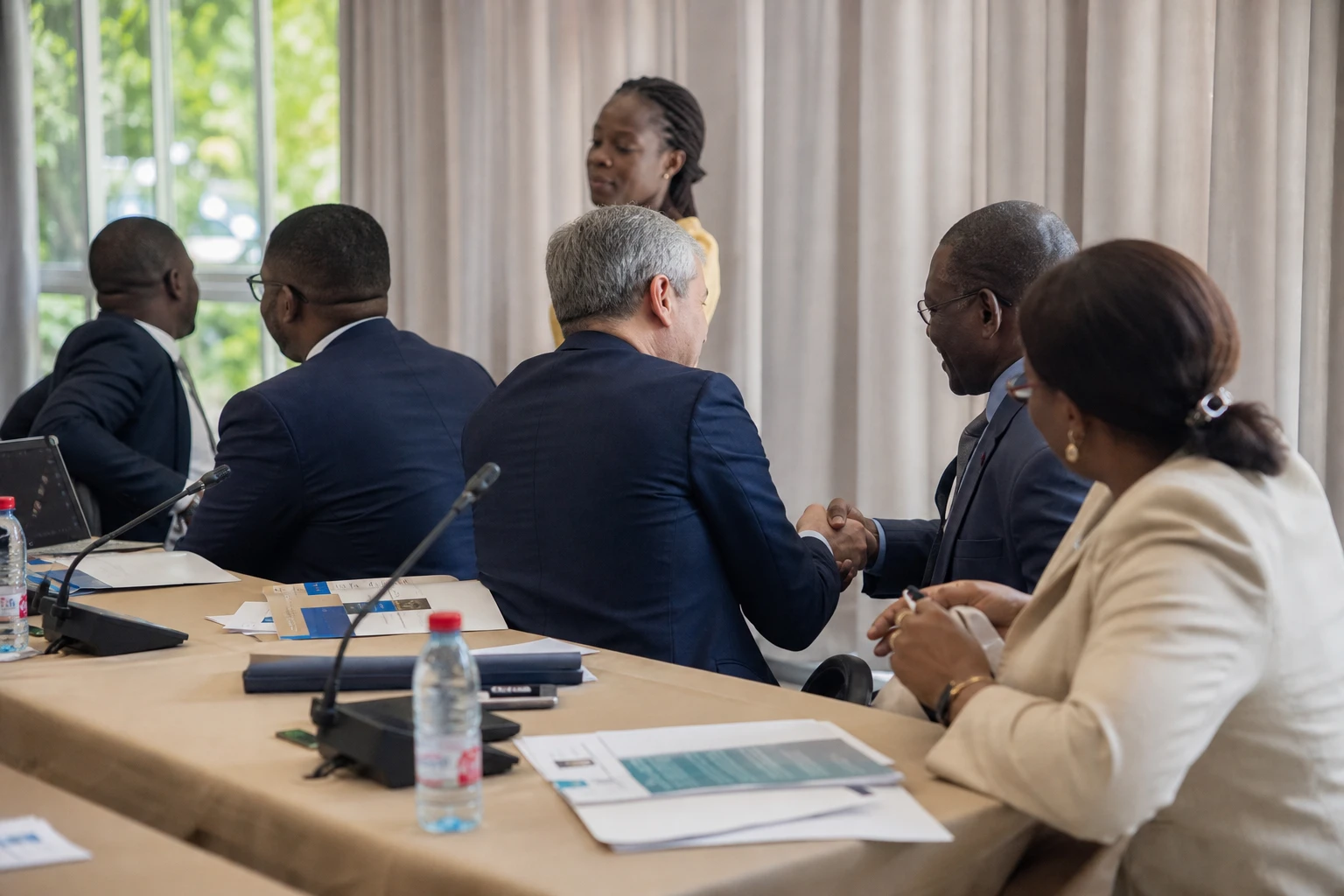
In Cotonou, the World Social Forum is focused above all on lasting ties
At the University of Abomey-Calavi, the closing of the World Social Forum felt like more than a simple gathering of activists. For a few days, organisations from Africa, Europe, the Americas and elsewhere sought above all to turn a one-off meeting into lasting alliances, in a country where Cotonou is increasingly playing the role of a civic and political crossroads. Benin, whose capital is Porto-Novo and whose largest city is Cotonou, hosted this 17th edition with the stated ambition of putting Africa back at the centre of discussions on social justice, political ecology, migration and taxation.
The format itself says much about the moment. The World Social Forum is not a summit of heads of state. It is a space for the exchange of ideas, campaigns and practices, designed to bring together movements that often work separately. This edition in Benin was announced as the 17th of its kind, with thousands of participants expected, more than 150 countries involved and more than 200 thematic sessions, according to the event’s official platform.
Benin in its West African context
The return of the World Social Forum to Africa is no coincidence. The continent’s west remains a region shaped by very practical debates on mobility, economic sovereignty and citizens’ place in public decision-making. Benin is a member of ECOWAS, the Economic Community of West African States, which has had a protocol on the free movement of persons, and the right of residence and establishment, since 1979. At the same time, West African states are strengthening border controls amid pressure from migration flows, trafficking and security concerns.
This tension between regional openness and tighter controls in practice gave particular significance to the workshops on migration. UN research notes that most African migration takes place within Africa, particularly in West and Southern Africa. In other words, the most frequent movements are primarily within the continent, not only towards Europe.
The choice of Cotonou also fits into a broader moment for Benin. In 2026, the country hosted continental discussions on climate-related mobility, and the African Union held a consultation in Cotonou on a continental strategy for addressing displacement caused by climate change. The message is clear: Benin is not merely a host. It is becoming a place where African standards are discussed.
Migration, climate and taxation: the issues dominating discussions
Migration took centre stage. In the area dedicated to organisations, networks such as Migreurop and Alarme Phone Sahara championed a simple idea: freedom of movement is not limited to the right to cross the Mediterranean; it also concerns the right to move around the continent. The debate covered the criminalisation of migrants, arbitrary detention, disappearances and the externalisation of migration controls — the transfer of European border screening to African countries. This approach is regularly criticised by regional and international institutions working on mobility in West Africa.
Climate also ran through the discussions, often in connection with forced displacement, rural tensions and urban vulnerabilities. The African Union is increasingly emphasising the link between climate change, development and migration, while the Economic Commission for Africa notes that climate affects patterns of displacement across the continent. In Cotonou, this framing took on a political dimension: discussing climate is not just discussing the environment; it is also discussing access to water, land, income and routes out.
On taxation, the issue was more technical, but just as tangible. Participants advocated unitary taxation of multinational companies: a tax calculated on a group’s actual activity in a country, rather than on its dispersed subsidiaries. The subject connects with a pressing issue in Benin: in March 2026, the country launched a support programme on the global minimum tax to better monitor large companies and assess the impact of tax incentives. The OECD, for its part, published a review of Benin in 2026 on tax transparency and the exchange of information, a sign that the question of tax sovereignty remains firmly on the agenda.
A closing without major resolutions, but not without impact
The World Social Forum does not produce binding decisions. That is one of its defining features. Rather, it serves as a place to build connections, formulate joint campaigns and test common ground. In Cotonou, the closing mainly showcased movements seeking to emerge from isolation. The coming together of associations working on migration, the aim of establishing an observatory of expulsion centres outside Europe, and the idea of speaking with one voice on intra-African mobility all show that the organisations present now want to move from discussion to organisation.
For Beninese people, the event also has domestic significance. It shows that a city such as Cotonou can host major transnational forums without being reduced to the role of a mere logistical platform. It also puts Abomey-Calavi in the spotlight as a university and political centre, at a time when Africa’s urban youth are demanding a greater role in shaping economic and social rules. For the country as a whole, this reinforces the image of a state seeking to count in pan-African debates without waiting for approval from outside actors.
Perhaps that is where the continental significance lies. In a West Africa shaken by security realignments, debates on free movement, regional integration and the taxation of multinational companies are no longer specialist topics. They directly affect traders, students, mobile workers, cross-border families and local authorities. The Cotonou Forum served as a reminder of this reality: African sovereignty is measured not only in institutional rhetoric, but in societies’ capacity to organise, negotiate together and build shared responses to the challenges of the present.