Algeria
 Egypt
 Libya
 Morocco
 Sudan
 Tunisia
 Benin
 Burkina Faso
 Cabo Verde
 Côte d'Ivoire
 Ghana
 Guinea
 Guinea-Bissau
 Liberia
 Mali
 Mauritania
 Niger
 Nigeria
 Senegal
 Sierra Leone
 The Gambia
 Togo
 Cameroon
 Central African Republic
 Chad
 DR Congo
 Equatorial Guinea
 Gabon
 São Tomé and Príncipe
 Burundi
 Comoros
 Djibouti
 Eritrea
 Ethiopia
 Kenya
 Madagascar
 Malawi
 Mauritius
 Mozambique
 Rwanda
 Seychelles
 Somalia
 South Sudan
 Tanzania
 Uganda
 Angola
 Botswana
 Eswatini
 Lesotho
 Namibia
 South Africa
 Zambia
 Zimbabwe
Schools sustained by precarious workers
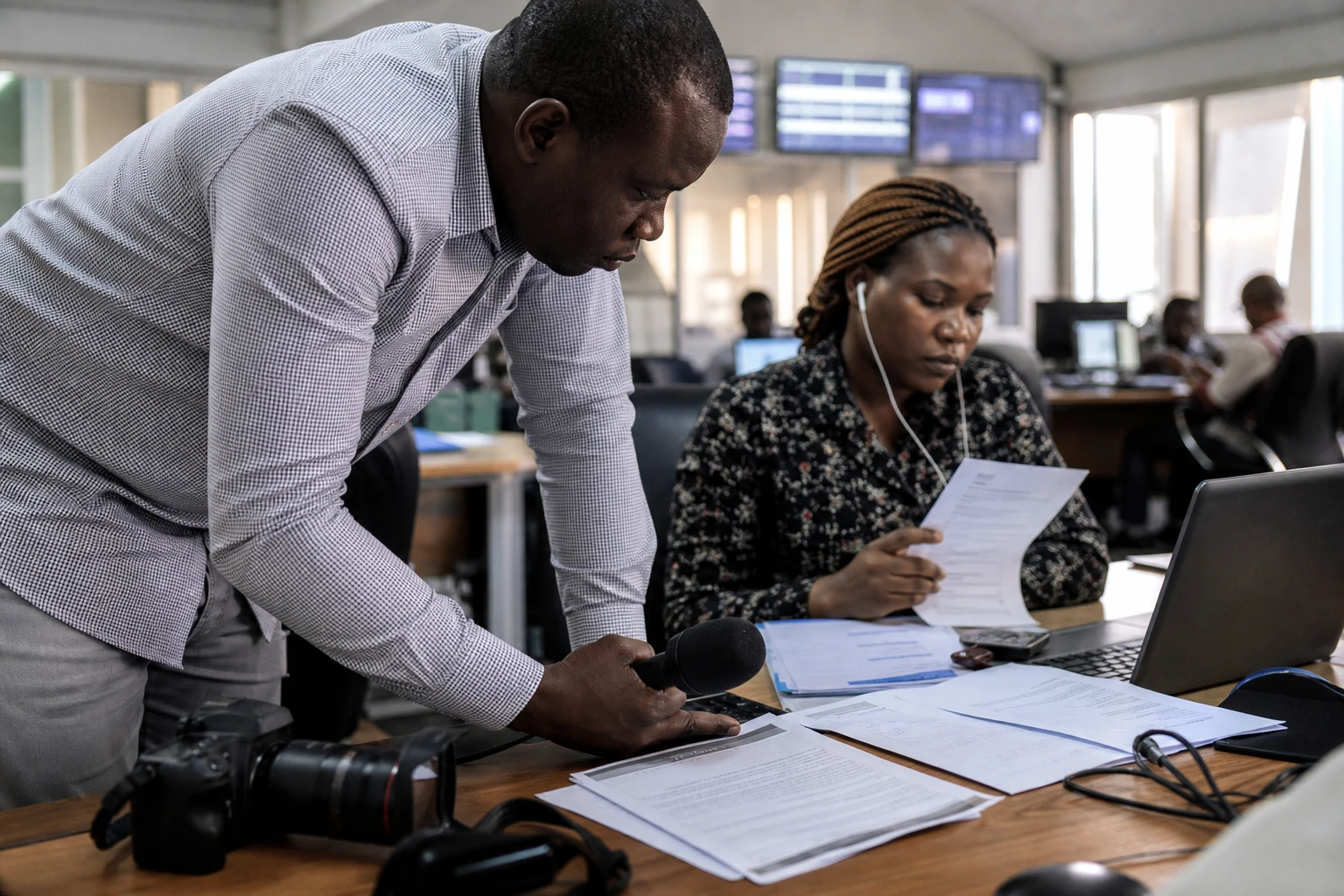
In Brazzaville, the start of the school year is not decided only in classrooms. It is also decided in offices where the resources of those who teach without yet having permanent posts are released — or not. In the Congolese system, community teachers play a central role, especially where the state lacks staff. More than half of teachers in public schools are reportedly in this category, according to a study by UNICEF Innocenti.
The issue therefore goes beyond a simple trade-union demand. It affects the continuity of public education in a country where schools remain under pressure and the timetable for classes resuming is a sensitive matter in Brazzaville and the departments alike. The authorities have already set 1st October as the start of the 2025-2026 school year in technical education, and experience shows that payment delays can quickly turn into a social standoff.
The facts: ten months of arrears, a minimum demand of four months
In Congo, around 12,000 community teachers say they have accumulated ten months of unpaid grants since 2024. They are asking the government to pay at least four months before classes resume, which is scheduled for the first week of October. Failing that, they reserve the right to go on strike. These figures and the threat of disruption have been put forward by their coalition, which is making the demand in Brazzaville.
Their status remains particular. They teach from pre-school to secondary school, but have not yet been integrated into the civil service. Their remuneration takes the form of a grant paid by the state, rather than a conventional salary. This model, already documented in Congo’s education sector, was conceived as a temporary response to the shortage of teachers. In practice, it creates a strong dependence on budgetary and administrative decisions.
The demand is not only about money. It is also about how people enter the civil service. Community teachers currently in post reject the idea of recruitment through competitive examinations for those who have already worked in the field for years. They believe that a teacher already in the classroom should be given priority for integration, rather than subjected to the same filter as a candidate with no experience. This view has featured in several previous mobilisations in the sector.
A budgetary issue as well as a social one
The heart of the problem is budgetary. Education absorbs a significant share of public finances, and Congo’s 2026 finance bill allocates more than 140 billion CFA francs to pre-school, primary and secondary education, and literacy. This level of commitment shows that the sector remains an avowed priority. But it does not tell the whole story about spending execution, or the administration’s ability to meet its commitments regularly to staff without permanent posts.
On the ground, the impact is immediate. For community teachers, unpaid grants put household finances under strain, delay rent payments, weigh on transport costs and undermine motivation just as schools reopen. For pupils, the risk is different but just as tangible: absences, understaffing, improvised replacements or repeated strikes. UNICEF already notes that teaching remains a pressured profession in Congo, with low levels of salary satisfaction and irregular payments affecting the quality of education.
This issue also exposes a structural choice by the Congolese state: to rely on community teachers over the long term to fill staffing gaps, while keeping their integration on a lengthy and sometimes unpredictable administrative timetable. This arrangement enables schools to stay open, particularly outside Brazzaville and in less well-resourced areas. But it shifts the cost of public-sector delays onto staff who are already vulnerable. This is where the social crisis also becomes a question of governance.
What this says about Congo in the sub-region
Congo is part of CEMAC, which brings together six Central African states in a common market with a shared currency. Across this area, budgetary stability and the ability to fund social services remain sensitive issues, especially as states seek to reconcile fiscal discipline with strong social expectations. Brazzaville also hosted an extraordinary session of the CEMAC Conference of Heads of State in January 2026, devoted to the sub-region’s economic, financial and monetary situation.
The issue’s continental significance is clear. Congo is not alone in using contract workers, volunteers or community teachers to keep schools running. Several African education systems rely on these hybrid arrangements, balancing urgency with gradual institutionalisation. When remuneration is delayed, the entire chain is disrupted: the appeal of the profession, staffing stability, the quality of learning and the credibility of public policies.
The start of the school year is now the key deadline. If an agreement is reached before the first week of October, the government can avert a new social dispute in an already fragile sector. Otherwise, the Congolese school year could begin under the threat of strike action, in a context where schools in Congo remain one of the first places where the state’s promises are put to the test.