Algeria
 Egypt
 Libya
 Morocco
 Sudan
 Tunisia
 Benin
 Burkina Faso
 Cabo Verde
 Côte d'Ivoire
 Ghana
 Guinea
 Guinea-Bissau
 Liberia
 Mali
 Mauritania
 Niger
 Nigeria
 Senegal
 Sierra Leone
 The Gambia
 Togo
 Cameroon
 Central African Republic
 DR Congo
 Equatorial Guinea
 Gabon
 Republic of the Congo
 São Tomé and Príncipe
 Burundi
 Comoros
 Djibouti
 Eritrea
 Ethiopia
 Kenya
 Madagascar
 Malawi
 Mauritius
 Mozambique
 Rwanda
 Seychelles
 Somalia
 South Sudan
 Tanzania
 Uganda
 Angola
 Botswana
 Eswatini
 Lesotho
 Namibia
 South Africa
 Zambia
 Zimbabwe
When the rains fail, rural life is thrown off balance
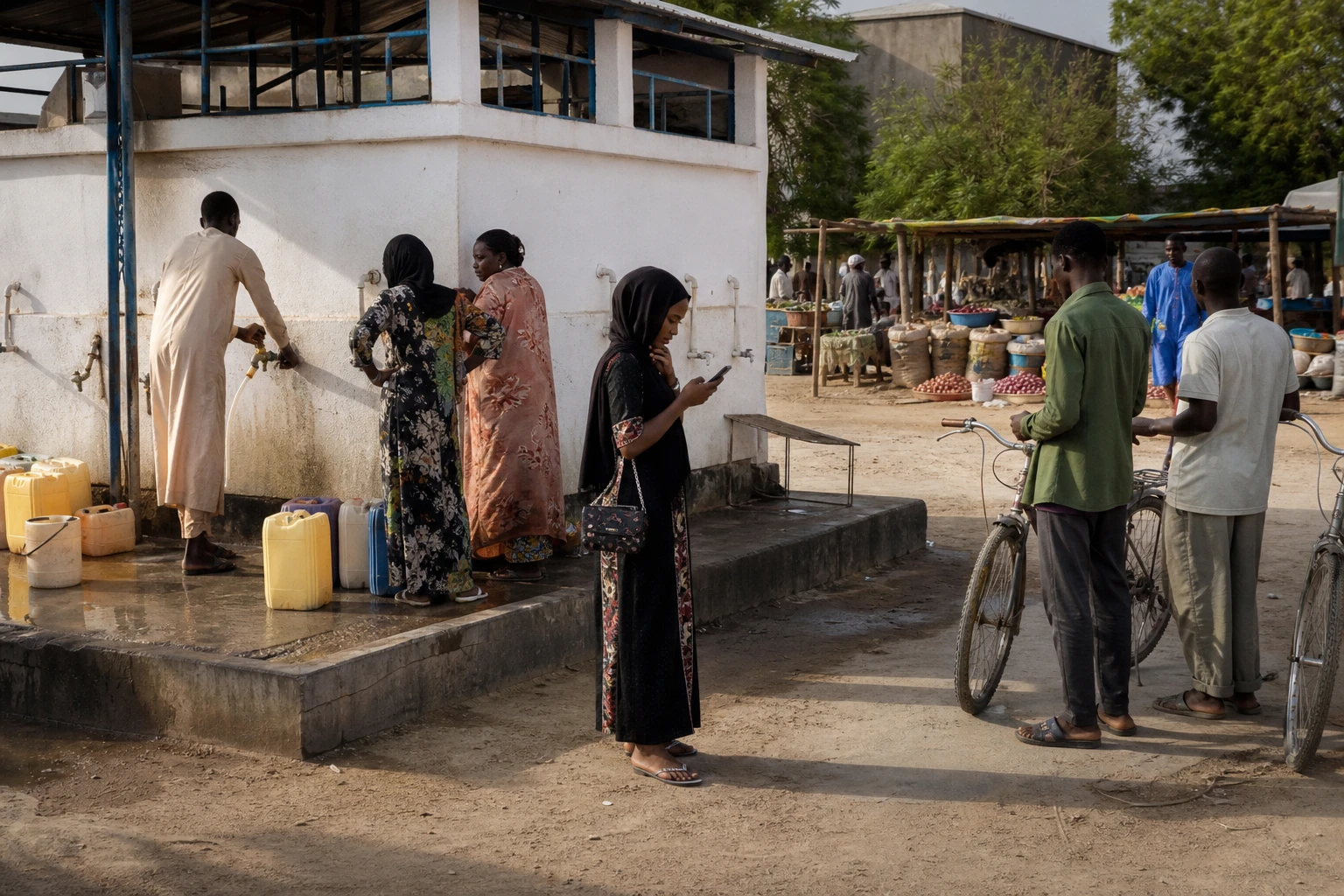
In Chad, the rainy season determines more than the size of the harvest. It also affects the availability of grass, access to water and, ultimately, market prices. In a country where rain-fed agriculture and livestock-rearing support a large share of households, a few weeks of water deficit can quickly mean falling incomes, longer livestock movements and increased pressure on water points.
This vulnerability is no abstraction. Climate and food-monitoring bodies have for several months been warning that Chad remains among the countries most exposed to climate shocks, with irregular rainfall, localised drought and, depending on the area, flash floods. The central Sahel has to contend with this variability, and Chad, at the crossroads of the Lake Chad basin, the Sahel and Central Africa, is on the front line.
In N’Djamena, government seeks to act before damage is done
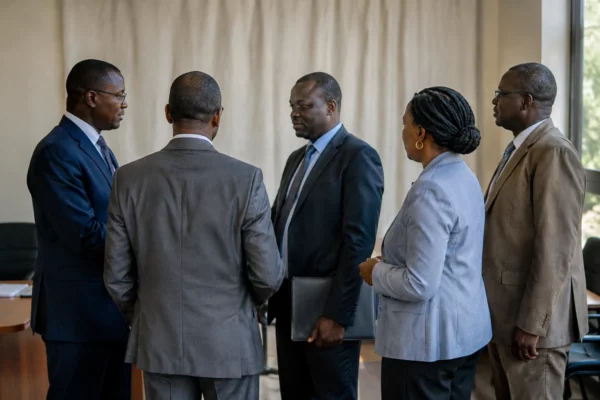
On 8 September 2026, in N’Djamena, the Minister of State for Finance, Budget, the Economy, Planning and International Cooperation brought together technical and financial partners and several members of the government to review rainfall conditions and their possible effects on agricultural and pastoral activities. The course chosen was clear: monitor the situation on the ground, accelerate ongoing projects and prepare catch-up measures if the season proved to be in jeopardy.
A few days later, on 15 September 2026, the head of state called for emergency measures to address the rainfall deficit recorded this season. According to the announcements, the government is to strengthen strategic food reserves, act on commercial and tax channels to ease pressure on markets, and give priority support to farmers and herders. The stated aim is to prevent an agricultural shock from becoming a wider crisis, affecting both urban supplies and rural livelihoods.
This sequence matters because it marks a shift from simply recognising the problem to preparing for it. In Chad, climate management is no longer a seasonal issue handled in isolation. It is now part of budget planning, food security and resilience policy, with support from donors and technical services. The World Bank has recently supported projects on water adaptation and climate resilience, while the FAO has included the country in a 2026-2028 emergency and resilience plan.
From fields to markets, the effects can spread quickly
The first impact is on food-crop producers. When the rains are late or stop too soon, sowing is delayed, yields fall and families first use up their stocks, then sell part of their produce earlier than planned. The second shock affects herders. Pastures deteriorate, water becomes scarce and herds move more often, increasing costs, competition for access and, at times, the risk of local conflict around ponds and transhumance corridors.
Urban communities are not spared. When supply falls in rural areas, markets in N’Djamena and provincial capitals soon feel the strain on cereals, livestock and milk. Poor households, which already spend a large share of their income on food, are the first exposed to this potential rise in prices. Displaced families, refugees and host communities in the east face even greater pressure, as they often combine dependence on agriculture with unequal access to land and weak basic services.
Chad is not starting from scratch. The authorities and their partners have already incorporated climate risk into several response mechanisms, including emergency agricultural assistance programmes, water-access projects and agroclimatic monitoring tools. Regional recommendations stress the rapid dissemination of alerts, the use of varieties tolerant of water deficits, rainwater harvesting and protection for herders against livestock losses. In other words, the response is not limited to emergency aid: it also involves land-use planning and the modernisation of rural infrastructure.
A warning from Chad that resonates beyond its borders
What is happening in Chad resonates far beyond the country. In the Lake Chad basin and across the central Sahel, poor rainfall, livestock movements and pressure on water fuel the same economic and social vulnerabilities. This is why regional organisations and development partners are now putting water, irrigation, pasture management and early warning at the heart of long-term responses.
The country has also taken on a particular political role in this debate. By hosting African meetings on water in N’Djamena, Chad has helped make the link between water security, agriculture and job creation a continental issue. The declaration adopted on that occasion highlights the modernisation of irrigation infrastructure, pastoral stations and water reserves as drivers of economic resilience. For Chad, the challenge is therefore twofold: to cushion the current season and, over the longer term, transform an economy that is too dependent on rainfall.
The next phase to watch will be the monitoring on the ground and budget decisions. If the announced measures arrive quickly, they can limit losses. If they are delayed, the rainfall deficit risks leading to a sharper fall in harvests, greater pressure on pastures and a heavier social cost in rural provinces and urban centres alike.