
 Algeria
 Egypt
 Libya
 Morocco
 Sudan
 Tunisia
 Benin
 Burkina Faso
 Cabo Verde
 Côte d'Ivoire
 Ghana
 Guinea
 Guinea-Bissau
 Liberia
 Mali
 Mauritania
 Niger
 Nigeria
 Senegal
 Sierra Leone
 The Gambia
 Togo
 Central African Republic
 Chad
 DR Congo
 Equatorial Guinea
 Gabon
 Republic of the Congo
 São Tomé and Príncipe
 Burundi
 Comoros
 Djibouti
 Eritrea
 Ethiopia
 Kenya
 Madagascar
 Malawi
 Mauritius
 Mozambique
 Rwanda
 Seychelles
 Somalia
 South Sudan
 Tanzania
 Uganda
 Angola
 Botswana
 Eswatini
 Lesotho
 Namibia
 South Africa
 Zambia
 Zimbabwe
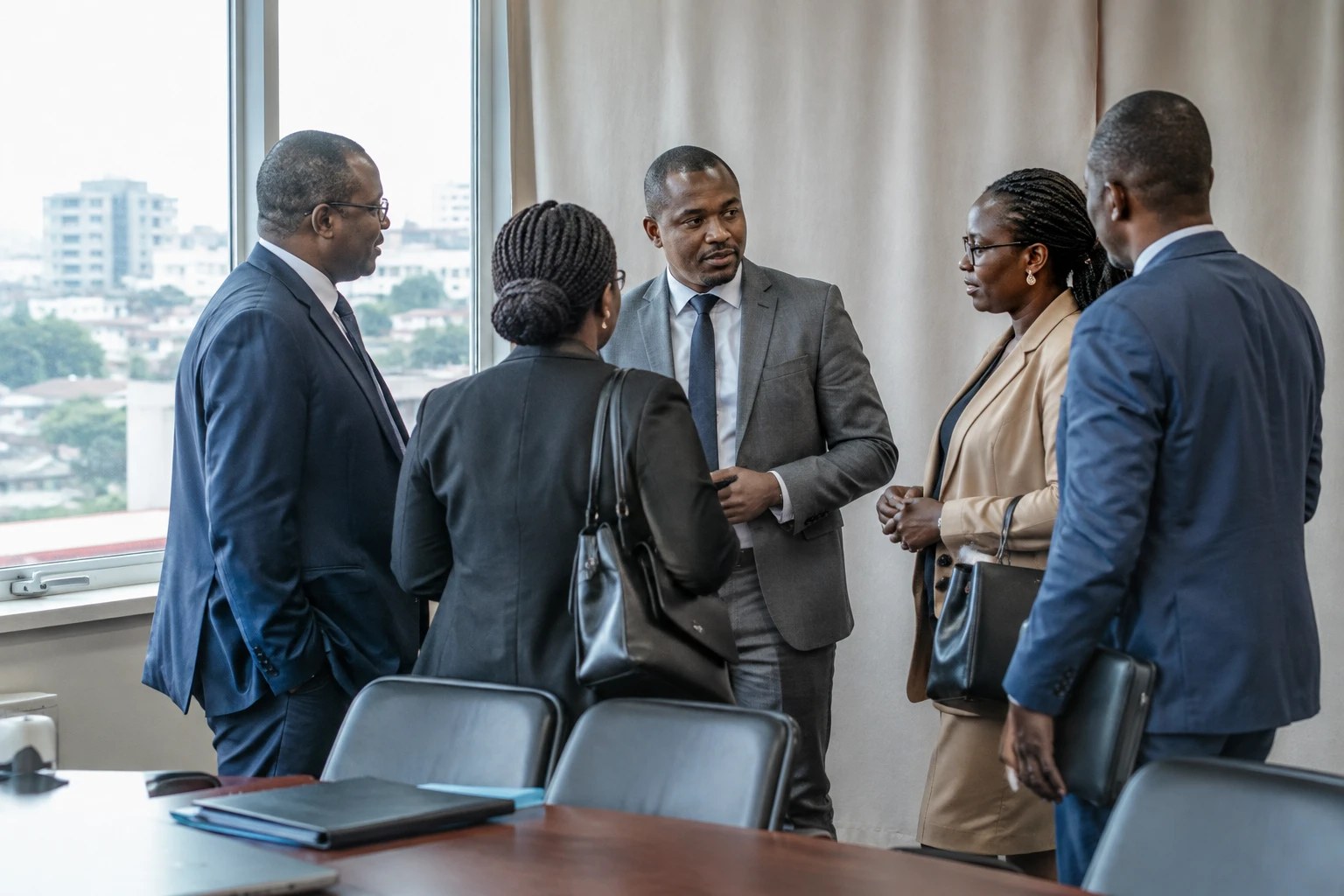
In Cameroon, higher electricity revenues are not yet enough to ensure a more reliable power supply. The recovery of the Cameroon Electricity Company (Socadel) hinges on two fronts: financing sector players and improving a service whose shortcomings users continue to report.
A company at the centre of sector payments
Socadel occupies a pivotal position in Cameroon’s electricity chain. It collects revenues related to the sector and then distributes them among several operators, including producers and the transmission network manager. When collections are insufficient or delayed, the difficulties can affect the entire system.
The financial imbalance is significant. According to figures cited by the Minister of Water and Energy, Gaston Eloundou Essomba, monthly revenues stood at around CFAF 30bn, against expenses of CFAF 42bn to CFAF 44bn. The ministry therefore puts the structural deficit at about CFAF 13bn a month. The International Monetary Fund also describes a substantial gap between revenues collected and the sector’s obligations, while noting that transmission and distribution difficulties prevent the full use of new generation capacity.
The National Electricity Transmission Company (Sonatrel) carries power over the high-voltage network. Producers, including Globeleq, supply the energy. Payment delays can weaken their operations and complicate the investments needed. The minister acknowledges that the bills of the main sector players have not yet all been settled.
Revenue rises, but service remains contested
On 8 October 2026, in Douala, the minister chaired a meeting devoted to the first months of the new management team and the implementation of its recovery plan. The ministry reports an increase in monthly revenues, from about CFAF 30bn to CFAF 32bn. The minister also said that an additional CFAF 2bn had been collected.
This improvement remains limited compared with the expenses reported. It does not mean that the deficit has been eliminated, or that payments due to producers and infrastructure managers are now complete. The ministry presents these figures as an initial result, while the minister acknowledges that efforts remain insufficient to restore balance.
Consumer complaints also persist. Asked whether service quality had improved, Gaston Eloundou Essomba said complaints remained numerous. The contrast is significant: somewhat less strained cash flow does not automatically mean fewer power cuts or a more stable supply. Power availability also depends on generation capacity, the condition of transmission lines and distribution networks.
The roadmap put forward by the government includes improving bill collection, expanding the customer base, combating fraud and rolling out more prepaid meters. This system allows customers to pay for electricity before using it. It can reduce unpaid bills, but its impact will depend on its practical implementation and households’ ability to access the service.
Renationalisation alone will not address the causes of the deficit
Socadel was established in 2026 as part of the state’s takeover of the sector. The change places more financial and operational responsibilities in the hands of the government. However, it does not erase accumulated debts, gaps between revenues and expenditure, or infrastructure problems. The IMF warns that the sector’s financial fragility could increase pressure on public finances.
For users, the issue goes beyond the company’s accounts. Power cuts affect households, small shops and industrial activity. Formal businesses can sometimes cushion outages with backup solutions, while smaller enterprises often have less room to manoeuvre. In cities and remote areas alike, network problems and repair capacity affect daily activity in different ways.
The minister says the state cannot finance the investments needed for generation on its own and is calling for relations of trust with private partners to be restored. The appeal comes amid the need to pay those partners regularly and give them clarity on the sector’s rules. The challenge is therefore to attract capital without allowing financial imbalances to be passed on over the long term to public finances or service quality.
An issue with regional implications too
The issue is also of interest to Cameroon’s neighbours. The country belongs to the Economic and Monetary Community of Central Africa (CEMAC), which brings together six states and is pursuing energy integration projects. In February 2025, a power line linking Equatorial Guinea and Gabon was commissioned, the first stage of a wider interconnection project. These infrastructure projects show that regional co-operation is progressing, but they do not remove the need for reliable national grids.
For Cameroon, progress will be measured by concrete indicators: sustained revenue growth, payments to operators, investments actually made and a reduction in outages. The assessment presented in Douala marks the start of a financial recovery, according to the authorities, but not yet a proven change in the daily experience of Cameroonians. The reform’s impact will depend on its ability to bring these two realities closer together.



