Algeria
 Egypt
 Libya
 Morocco
 Sudan
 Tunisia
 Benin
 Burkina Faso
 Cabo Verde
 Côte d'Ivoire
 Ghana
 Guinea
 Guinea-Bissau
 Liberia
 Mali
 Mauritania
 Niger
 Nigeria
 Senegal
 Sierra Leone
 The Gambia
 Togo
 Cameroon
 Central African Republic
 Chad
 DR Congo
 Equatorial Guinea
 Gabon
 Republic of the Congo
 São Tomé and Príncipe
 Comoros
 Djibouti
 Eritrea
 Ethiopia
 Kenya
 Madagascar
 Malawi
 Mauritius
 Mozambique
 Rwanda
 Seychelles
 Somalia
 South Sudan
 Tanzania
 Uganda
 Angola
 Botswana
 Eswatini
 Lesotho
 Namibia
 South Africa
 Zambia
 Zimbabwe
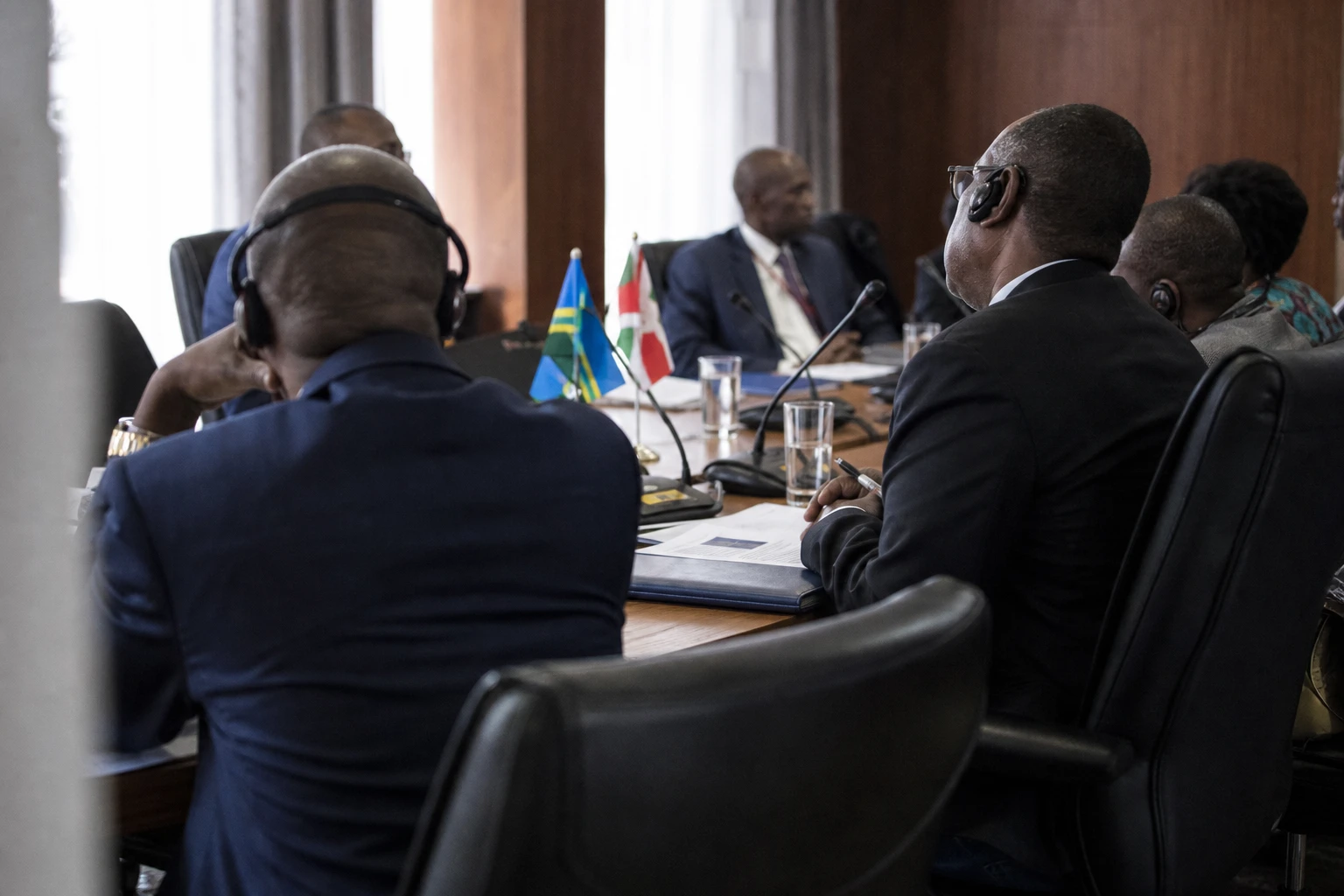
Burundi is preparing to join a controversial migration scheme: receiving people deported from the United States, even as tens of thousands of Burundians remain in exile in the region. The announced agreement raises many questions about how many people are involved, their legal status and the safeguards planned for their arrival.
Decision announced without a timetable or numbers
Burundi has agreed to receive third-country nationals deported by the United States — people who are neither American nor Burundian and who may never have lived in Burundi. The announcement was made on 29 September 2026 by Nancy Ninette Mutoni, spokesperson for the Burundian presidency, at an official event in Ngozi.
The official said Bujumbura would not accept people facing criminal charges or suspected of links to terrorism. However, she did not say how many people might be transferred or when the first arrivals were expected.
According to the information available, Burundian authorities are preparing accommodation and arrangements for the people within local communities. The spokesperson stressed the need to organise housing, food and coexistence with the population. These statements do not yet reveal the practical terms of the agreement reached with Washington.
An initial operation was reportedly considered in late September. According to the Associated Press, a flight carrying about 70 people to Burundi, Rwanda and the Central African Republic was cancelled after a US court ruling. This report is separate from Bujumbura’s political announcement and does not, by itself, confirm that deportees have arrived in Burundi.
Burundi at the centre of a new US policy
Burundi’s decision comes amid a tightening of US migration policy. President Donald Trump’s administration is seeking to increase deportations to third countries when countries of origin refuse to take back their nationals or direct removal proves difficult.
Several African states have already been involved in this mechanism, including Eswatini, South Sudan, Liberia and Equatorial Guinea. These agreements raise a central concern: a deportee may be sent to a country with which they have no family, cultural or administrative ties.
In the United States, courts have said that people targeted for removal should be informed of their transfer and allowed to raise the risk of persecution, torture or ill-treatment. The US Supreme Court subsequently temporarily authorised the resumption of some deportations to third countries, pending a fuller review of the case.
For Burundi, this cooperation could strengthen relations with Washington. It could also open the door to financial or logistical support. But no funding amount, financing mechanism or public guarantees on support for those transferred have been set out so far.
A sensitive decision in a country marked by exile
Bujumbura’s choice carries particular weight in a country that has experienced the effects of exile and return for several years. According to data from the United Nations High Commissioner for Refugees, nearly 188,000 Burundian refugees are included in regional humanitarian response plans. The figure includes people who left Burundi from 2015 onwards, as well as refugees who had settled in the region before that period.
At the same time, Burundi hosts a large population from the Democratic Republic of the Congo. In June 2026, the UNHCR reported that more than 187,000 Congolese refugees were living in Burundi. The pressure has intensified with violence in the east of the DRC, particularly in South Kivu, where new arrivals have been recorded.
The country must therefore manage several population movements at once: the gradual return of Burundians from neighbouring countries, the reception of Congolese refugees and, now, the possible settlement of people deported from the United States. These situations do not fall under the same legal frameworks. They nevertheless require resources for housing, healthcare, civil registration, schooling and protection.
This distinction will be crucial for local communities. A limited transfer, backed by funding and clearly defined services, would not have the same impact as a mass arrival without sufficient resources. The effects would also differ between Gitega, Burundi’s political capital, Bujumbura, its main economic centre, and rural areas that might host the newcomers.
Safeguards still to be clarified
The first question concerns the status of those transferred. Will they be free to move around Burundi? Will they be able to apply for asylum or challenge a subsequent removal order? Will they be held in dedicated centres or settled directly with families and communities?
The second question is about screening. The Burundian government says it intends to exclude people facing criminal charges or linked to terrorism. It remains to be seen which authorities will carry out the checks, what information they will use and what appeal options will be available to those concerned.
The third question concerns independent monitoring. Burundi’s migration law provides protection for asylum seekers and refugees. However, the application of these safeguards will depend on the procedures put in place and whether national and international organisations can access those transferred.
The UNHCR, the International Organization for Migration and Burundian authorities already work together on the return and reintegration of Burundian refugees. Their involvement in this new scheme would be an important indicator. It would help distinguish an organised reception from a simple transfer of responsibility between states.
A precedent closely watched in East Africa
The issue directly concerns the East African Community, or EAC, which brings together several countries in the region around shared economic and political goals. Burundi will have to work with its neighbours, particularly Tanzania, Rwanda, Uganda and the Democratic Republic of the Congo, in a region where cross-border movements are already common.
The issue could also attract the attention of the African Union. The continent already hosts most refugees in countries neighbouring their countries of origin. Deportation agreements involving third countries risk shifting more of the burden of reception to states with limited resources.
For now, Burundi’s announcement remains general. The next steps will therefore be decisive: possible publication of the agreement, the number of people involved, their countries of origin, the scheme’s funding, access to services and appeal mechanisms. Until this information is made public, the true scale of Bujumbura’s commitment will be difficult to assess.