Algeria
 Egypt
 Libya
 Morocco
 Sudan
 Tunisia
 Benin
 Cabo Verde
 Côte d'Ivoire
 Ghana
 Guinea
 Guinea-Bissau
 Liberia
 Mali
 Mauritania
 Niger
 Nigeria
 Senegal
 Sierra Leone
 The Gambia
 Togo
 Cameroon
 Central African Republic
 Chad
 DR Congo
 Equatorial Guinea
 Gabon
 Republic of the Congo
 São Tomé and Príncipe
 Burundi
 Comoros
 Djibouti
 Eritrea
 Ethiopia
 Kenya
 Madagascar
 Malawi
 Mauritius
 Mozambique
 Rwanda
 Seychelles
 Somalia
 South Sudan
 Tanzania
 Uganda
 Angola
 Botswana
 Eswatini
 Lesotho
 Namibia
 South Africa
 Zambia
 Zimbabwe
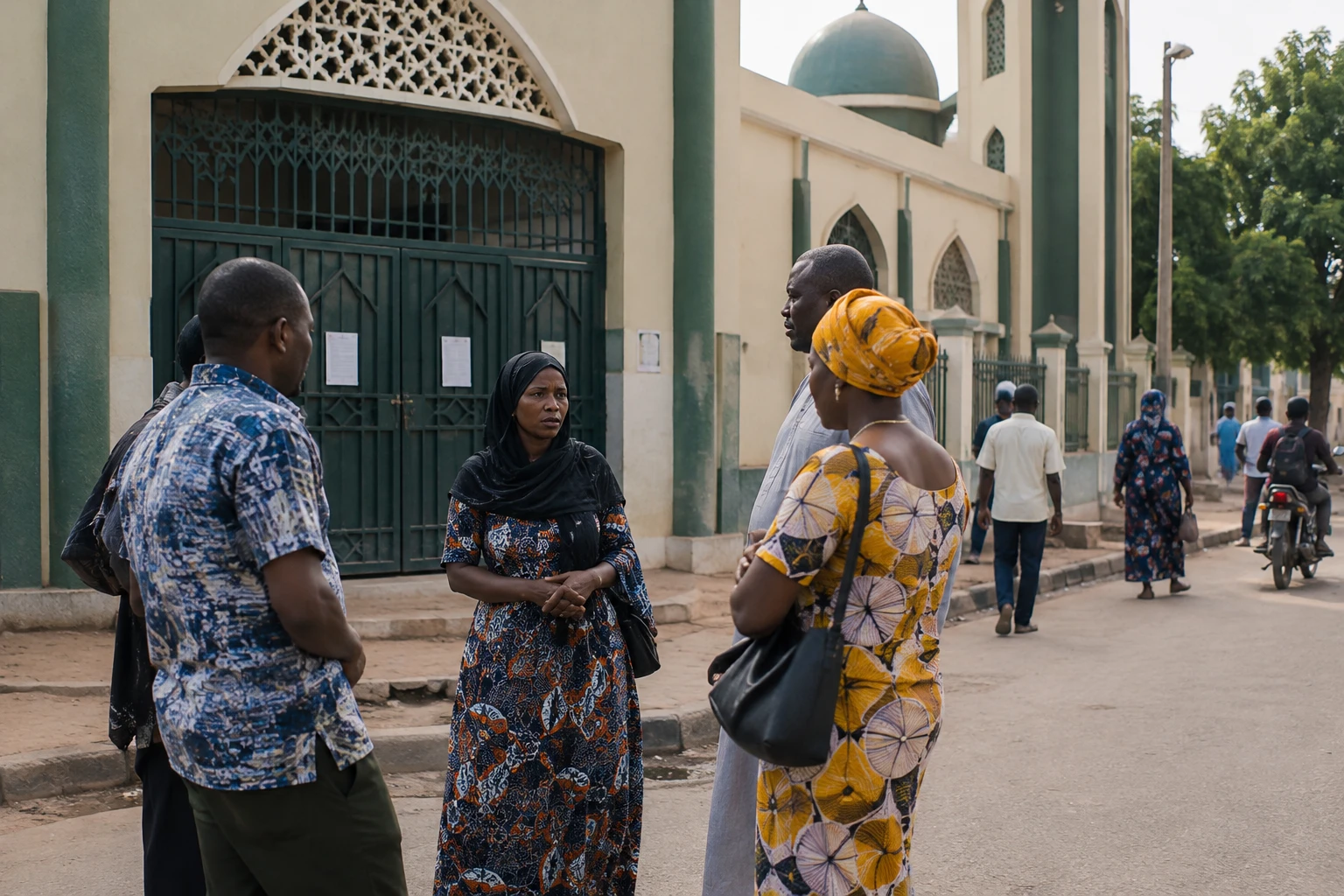
In Ouagadougou, the return of several worshippers to their families has not brought an end to the case that strained relations between the Burkinabè authorities and part of the Sunni community. Their imam, Mohamed Ishaq Kindo, remains detained, according to information published in early October. The distinction is crucial: those released are not the preacher whose arrest triggered the mobilisation.
A release that does not include the imam
On 4 October 2026, around 80 of Kindo’s supporters were reunited with their families, RFI reports. The Media Foundation for West Africa (MFWA), a regional press freedom organisation, puts the figure at nearly 100. The reports therefore do not give the same number. In the information consulted, the authorities have not published an official tally that would resolve the discrepancy.
Videos shared after their return show men with shaved heads, wearing training outfits. The footage circulated online, but is not enough to establish the legal status of each person or the precise conditions of their treatment. The two independent sources nevertheless agree on the main point: supporters have been released, while Kindo remains in detention.
The imam’s situation remains shrouded in uncertainty. The MFWA says the authorities have not made public where he is being held or the legal grounds for his continued detention. This lack of verifiable official information calls for caution: it does not allow rumours about his living conditions or possible house arrest to be confirmed.
A law on religious worship becomes a source of tension
The case dates back to 26 May 2026, when Mohamed Ishaq Kindo was arrested in Ouagadougou. He had criticised a draft law on religious freedoms. His arrest prompted gatherings of worshippers calling for his release. Security forces dispersed protesters and dozens of people were arrested, according to information corroborated by media outlets and monitoring organisations.
The bill was adopted by the Council of Ministers on 19 March, then passed by the People’s Legislative Assembly on 20 June. The government presents it as a framework intended to guarantee the exercise of religious freedoms and preserve public order. But its content and implementation have raised concerns among religious leaders and worshippers. The debate is therefore about both the proposed rules and the way the state drafts and enforces them.
Ouagadougou’s main Sunni mosque, where worshippers had gathered, was closed on 28 May by order of the governor of the Kadiogo region, according to reports at the time. The stated reason was the risk of public disorder. In early October, the MFWA said the place of worship remained closed. For the worshippers concerned, the closure affects the organisation of prayers and communal life, beyond the imam’s legal case alone.
Between public order and fundamental guarantees
The authorities are responsible for maintaining security, but the measures taken have tangible consequences for people who are not the same as religious leaders. Worshippers, their families and mosque officials are directly affected by arrests, restrictions on gatherings and the closure of the place of worship. Public institutions, in turn, must explain the decisions taken and the avenues of appeal available.
The MFWA says those arrested after the demonstration were taken to a camp for training that the authorities described as civic. The organisation says their prolonged detention after a mobilisation is a cause for concern. That is its assessment; it nevertheless highlights the need for transparency about the grounds, duration and legal framework of the measures. A demonstration deemed unauthorised by the authorities does not, in itself, remove the obligation to account for the treatment of those arrested.
The case also calls for particular care over information circulating on social media. In June, Africa Check debunked a false claim that Kindo had died in detention. This disinformation is a reminder that, during a period of heightened tension, unverified information can increase anxiety and fuel further rumours. At this stage, the information consulted does not confirm his release; on the contrary, it indicates that he remains detained.
A case attracting attention beyond Burkina Faso
Burkina Faso is going through a period of political transition and armed conflict, during which the authorities have emphasised security and national cohesion. These priorities do not remove questions about freedom of conscience, expression and peaceful assembly. The balance between these rights and restrictions imposed by the state is being tested here through specific decisions: Kindo’s continued detention, the situation of his supporters and whether the mosque will reopen.
Across West Africa, the case is also of interest to rights advocates and regional organisations, as Burkina Faso, Mali and Niger have left ECOWAS and formed the Alliance of Sahel States. This shift is changing regional dialogue frameworks, without removing Burkina Faso’s international commitments on fundamental rights. For religious communities and institutions alike, the next decisive step will therefore be official clarification of the imam’s status and the legal basis for his detention.
The available sources confirm the release of several worshippers, but not of Mohamed Ishaq Kindo. Until the authorities disclose where he is being held and the legal grounds for his continued detention, any claim to the contrary should be treated with caution.