Algeria
 Egypt
 Libya
 Morocco
 Sudan
 Tunisia
 Benin
 Burkina Faso
 Cabo Verde
 Côte d'Ivoire
 Ghana
 Guinea
 Guinea-Bissau
 Liberia
 Mali
 Mauritania
 Niger
 Nigeria
 Senegal
 Sierra Leone
 The Gambia
 Togo
 Cameroon
 Central African Republic
 Chad
 DR Congo
 Equatorial Guinea
 Gabon
 São Tomé and Príncipe
 Burundi
 Comoros
 Djibouti
 Eritrea
 Ethiopia
 Kenya
 Madagascar
 Malawi
 Mauritius
 Mozambique
 Rwanda
 Seychelles
 Somalia
 South Sudan
 Tanzania
 Uganda
 Angola
 Botswana
 Eswatini
 Lesotho
 Namibia
 South Africa
 Zambia
 Zimbabwe
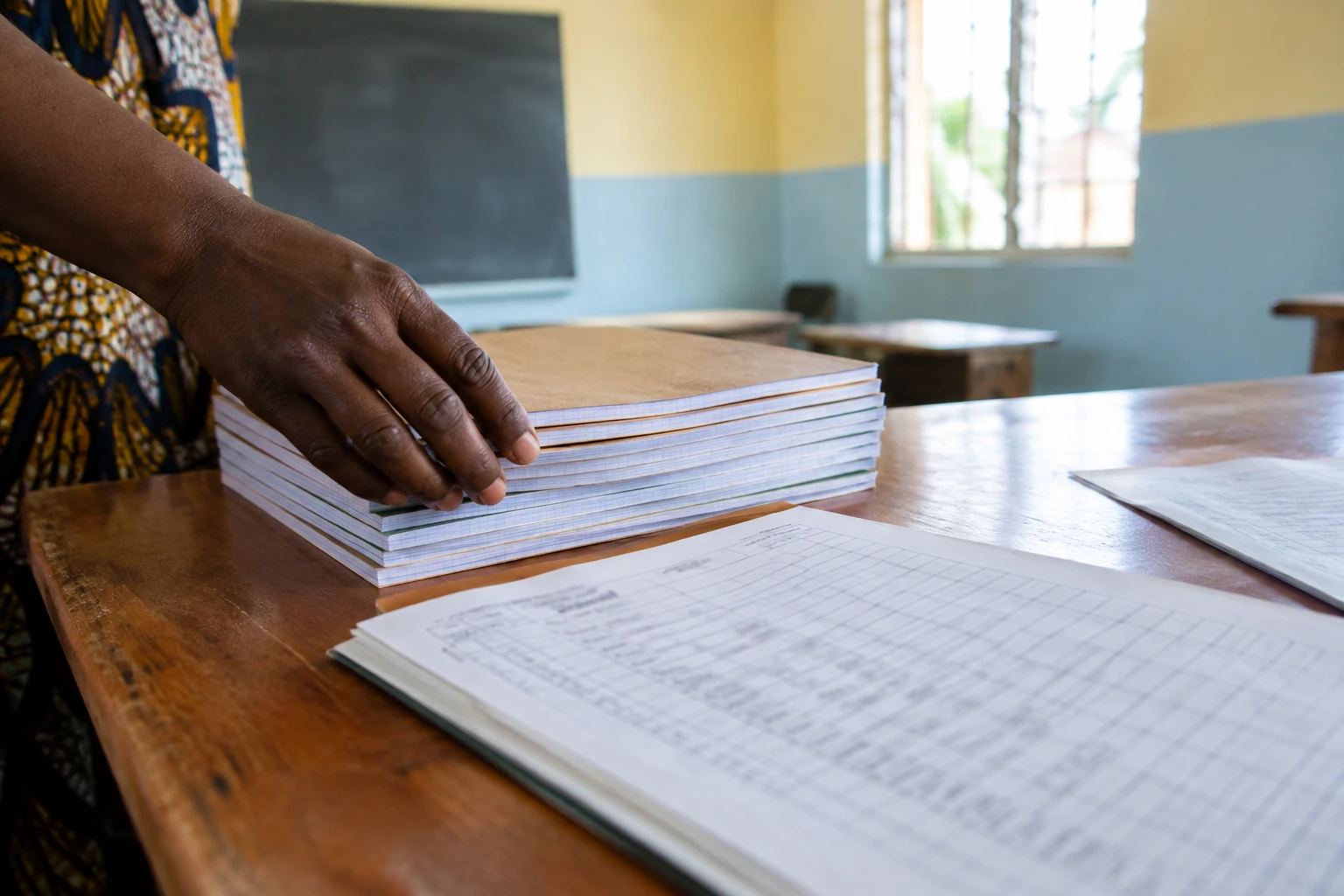
In Brazzaville, two new schools could accommodate up to 18,000 pupils, according to the capacities announced by the Société nationale des pétroles du Congo (SNPC). Their opening raises a practical question: how can new buildings be turned into sustainable learning places, with suitable teachers, materials and support?
Two complexes announced in southern Brazzaville
SNPC plans to inaugurate the L’Amitié school complex in Bacongo on 9 October 2026, followed by the one at Angola Libre in Makélékélé on 12 October. These dates are in the future at the time of publication. The company says President Denis Sassou-N’Guesso will attend the ceremonies.
According to information provided by the company, L’Amitié covers an area of 20,000 m² and could accommodate 6,000 pupils. Angola Libre would cover 40,000 m², with a stated capacity of 12,000 pupils. SNPC presents the two schools as designed in line with the Liberté school complex in Talangaï.
These figures describe stated capacities, not pupil numbers already enrolled. The source does not specify the number of classrooms, the education levels, or the planned arrangements for allocating pupils. This information will be important in assessing the complexes’ actual contribution to the school provision available in the Congolese capital.
Private investment set to join the public education system
SNPC says the schools will be fully integrated into public education. Teaching staff and school management would therefore come under the state. The company adds that the sites selected are agreed with the ministry responsible for education, on the basis of the official school map, which identifies infrastructure needs, among other things.
This arrangement separates the funding of construction from day-to-day management. The oil company provides the funds to build; the administration must then ensure the schools operate. The transition between these two responsibilities will determine the continuity of lessons, the maintenance of buildings and the availability of staff.
SNPC puts its investment in education since 2023 at more than CFAF 14.3 billion. It says six complexes have been built or supported in Oyo, Tchiamba-Nzassi, Dolisie and Brazzaville, benefiting more than 30,000 pupils nationwide. These amounts and figures come from the company: the information available does not allow them to be independently verified using a second source.
Capacity alone is not enough to measure impact
The education context gives these announcements particular significance. For the 2022-2023 school year, a study published by UNICEF counted 4,741 primary schools in Congo. It said 67% were in urban areas, including 30% in Brazzaville. The same document noted a strong presence of private schools in the capital and in Pointe-Noire.
This distribution highlights that needs vary from one area to another. Two large complexes in the capital may ease some local pressures, but they will not automatically address access difficulties in less urbanised departments. The benefits will also depend on where pupils live, enrolment and access conditions.
Families in the neighbourhoods concerned could benefit from new places if the schools do open and remain accessible. Teachers, meanwhile, will need equipped classrooms and suitable working conditions. For the state, the challenge will be to fund staff positions, supplies and maintenance beyond the inauguration.
SNPC says the projects were completed in three months and that they draw on local expertise in the construction sector. The company places them within a policy aimed at directing part of national resources towards human development. This ambition does not remove the need to assess costs, the quality of the buildings and long-term operating expenditure.
A national challenge beyond the ceremonies
The Congolese case reflects a challenge shared across the region: expanding public provision while reducing disparities between large cities and less well-served areas. To measure the significance of these investments, the key indicators will be actual enrolment, teacher attendance, continuity of lessons and changes in learning conditions.
SNPC says the two complexes will be handed over to the public system. Their inauguration, planned for 9 and 12 October, will therefore be a milestone, not an impact assessment. What happens next will depend on whether they open and on the state’s ability to keep them running. Future data on attendance and operations will show whether the announced capacities translate into school places accessible to pupils in Brazzaville.