Algeria
 Egypt
 Libya
 Morocco
 Sudan
 Tunisia
 Burkina Faso
 Cabo Verde
 Côte d'Ivoire
 Ghana
 Guinea
 Guinea-Bissau
 Liberia
 Mali
 Mauritania
 Niger
 Nigeria
 Senegal
 Sierra Leone
 The Gambia
 Togo
 Cameroon
 Central African Republic
 Chad
 DR Congo
 Equatorial Guinea
 Gabon
 Republic of the Congo
 São Tomé and Príncipe
 Burundi
 Comoros
 Djibouti
 Eritrea
 Ethiopia
 Kenya
 Madagascar
 Malawi
 Mauritius
 Mozambique
 Rwanda
 Seychelles
 Somalia
 South Sudan
 Tanzania
 Uganda
 Angola
 Botswana
 Eswatini
 Lesotho
 Namibia
 South Africa
 Zambia
 Zimbabwe
A draw worth more than the scoreline
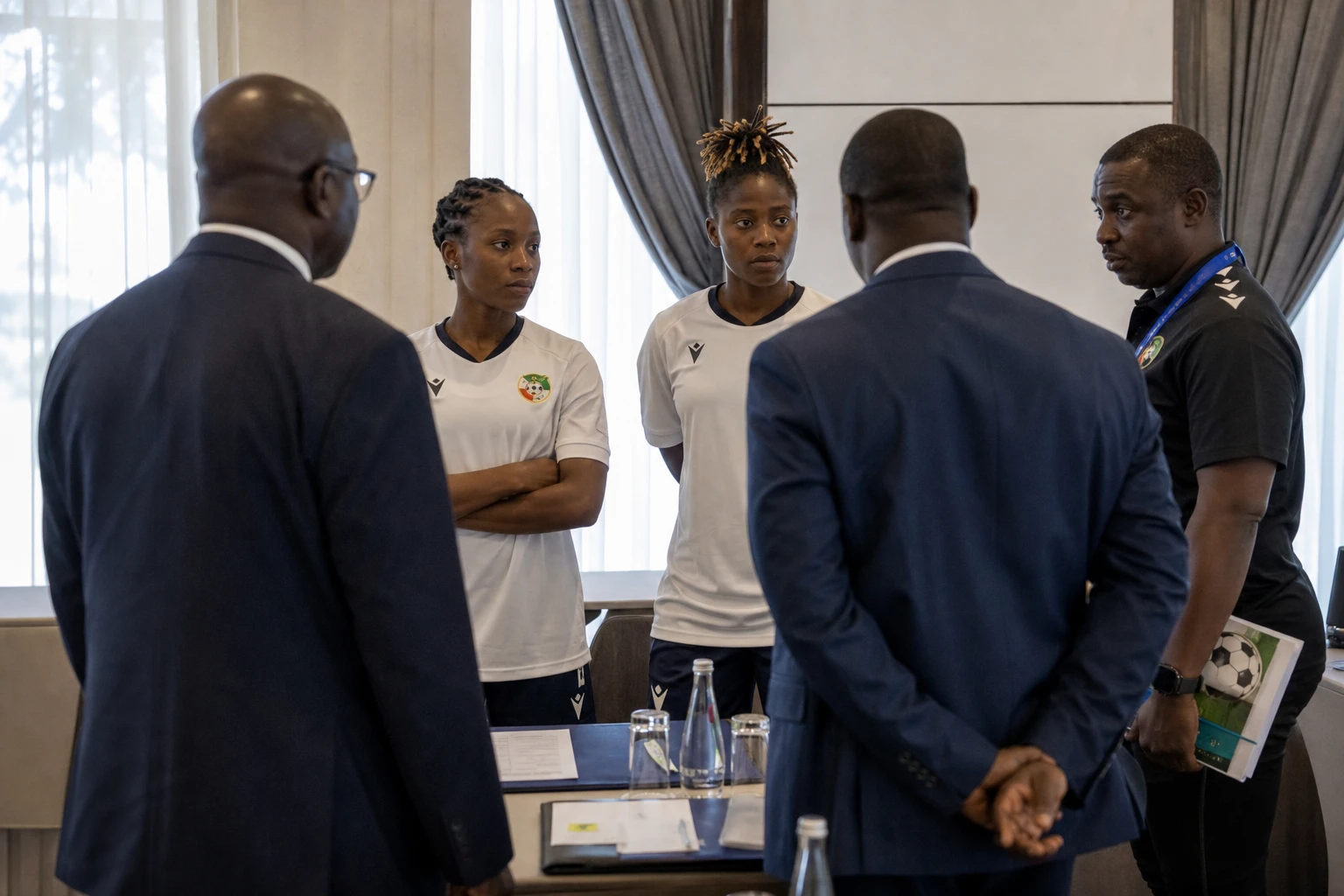
In Porto-Novo, this first point could count for far more than a place in the table. For Benin, it tells a rare story: an U20 women’s team entering a World Cup not merely to take part, but to upset the hierarchy from the outset.
The context matters. The 2026 FIFA U-20 Women’s World Cup is being played in Poland, with 24 teams divided into six groups. Benin are taking part for the first time, as are Tanzania among the African teams. Benin’s presence extends a trend seen in the country’s youth teams, backed by sports authorities in Cotonou, where the Amazons are now presented as a symbol of progress in women’s sport.
The message from the Beninese was emphatic: they came back against Mexico after falling 2-0 behind, then snatched a 2-2 draw in the final minutes. Fifteen-year-old Romaine Gandonou scored both of Benin’s goals, including the equaliser that changed the complexion of the match. The Confederation of African Football praised an opening performance full of character, in a match played in Bielsko-Biała, Poland.
This performance was no accident. Benin had already shown during the African qualifiers that a rising generation was emerging. The same Romaine Gandonou had made her mark in the qualifying campaign, to the extent that CAF singled her out as one of the revelations of Benin’s run. The country secured its historic place in the finals alongside Tanzania, confirming that Africa’s places are no longer reserved for the continent’s traditional powers alone.
What the result says about Beninese football
On the pitch, the draw against Mexico first changes the way the group looks. Under the new 24-team format, the top two in each group and the four best third-placed teams advance to the last 16. This system offers room to recover after a poor start, but also means every goal conceded or scored matters. For Benin, taking a point in their opening match eases the pressure ahead of the next two games.
On the sporting front, the evening also confirms that women’s football in Benin is becoming more organised. The state has recently showcased its U20 Amazons in initiatives promoting school sport and talent identification, presenting them as role models for young girls. The official message points towards broader investment in training, in a country where school-level participation and youth competition remain crucial ways to develop players capable of reaching the highest level.
The result also has social significance. In a country where women’s football is still seeking to strengthen its structures, seeing an U20 team stand up to an established nation such as Mexico could influence perceptions of women’s sport. It matters to clubs, families and coaches working far from the spotlight. A competitive national team often has a knock-on effect: more young people taking up the sport, greater attention to training, and higher expectations of national authorities.
A West African perspective on the tournament
Africa’s results on the opening day were mixed. Benin took a point, Tanzania held out against Brazil before losing, Ghana struggled against Ecuador, and Nigeria lost to Spain. In other words, the continent did not present a united front, but a varied picture: one surprise team, one that put up resistance, and two sides that will need to improve their starts quickly.
For West Africa, Benin’s case is particularly interesting. The country belongs to ECOWAS, the regional bloc where the movement of talent, youth competitions and sporting rivalries are increasingly shaping the progress of national teams. In this context, a positive first result on the world stage lends weight to regional training programmes and is a reminder that the development pathway no longer runs only through the continent’s major centres.
The rest of the tournament will show whether this point remains a strong opening or marks the start of a genuine run. But Benin have already achieved something valuable: a visible place in a global competition, with a team capable of responding to adversity. Across the continent, this is precisely the kind of result that gradually changes perceptions of emerging national teams. The group stage will now show whether the U20 Amazons can turn this momentum into qualification.