Algeria
 Egypt
 Libya
 Morocco
 Sudan
 Tunisia
 Benin
 Burkina Faso
 Cabo Verde
 Côte d'Ivoire
 Ghana
 Guinea
 Guinea-Bissau
 Liberia
 Mali
 Mauritania
 Niger
 Nigeria
 Senegal
 Sierra Leone
 The Gambia
 Togo
 Cameroon
 Central African Republic
 Chad
 DR Congo
 Equatorial Guinea
 Gabon
 São Tomé and Príncipe
 Burundi
 Comoros
 Djibouti
 Eritrea
 Ethiopia
 Kenya
 Madagascar
 Malawi
 Mauritius
 Mozambique
 Rwanda
 Seychelles
 Somalia
 South Sudan
 Tanzania
 Uganda
 Angola
 Botswana
 Eswatini
 Lesotho
 Namibia
 South Africa
 Zambia
 Zimbabwe
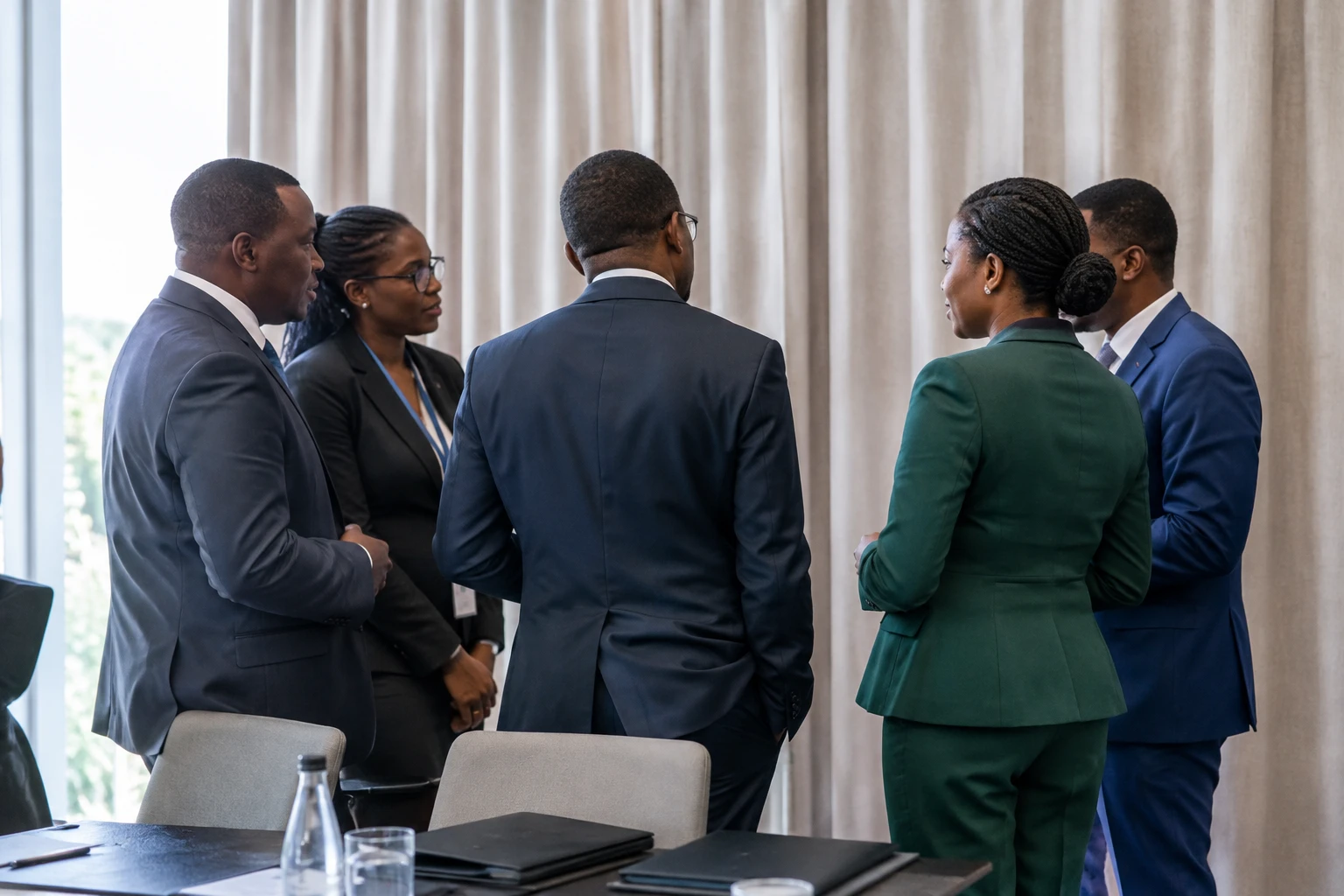
For African farming households, water services and electricity networks, the climate challenge is measured not only in degrees. It also depends on governments’ ability to finance adaptation without diverting resources that are already scarce. In Antalya, African negotiators are putting this question at the heart of discussions: who will pay, and under what rules ?
A fight over resources, not just targets
COP31, the annual conference of the countries that are parties to the UN climate convention, is taking place in Antalya, Turkey, from 9 to 20 November 2026. The leaders’ summit is being held on 11 and 12 November. Turkey is hosting the conference, while Australia is presiding over the official negotiations.
The African Group of Negotiators is defending a practical priority: turning funding pledges into accessible resources for adaptation. It is calling, in particular, for discussions to set out how to triple adaptation finance and how to address the links between climate and trade. These issues directly affect agricultural policies, water management and infrastructure protection.
The question sparked disagreement from the outset. Discussions on tripling adaptation finance and on trade were not included as standalone items on the initial agenda, despite the African group’s request. Negotiators nevertheless indicated that these themes could be addressed under other items. This procedural difference matters: it determines how much time is devoted to the issue and whether a formal decision can be reached.
El Niño highlights the urgency of local responses
Ghanaian negotiator Nana Antwi-Boasiako Amoah, who chairs the African Group of Negotiators, highlighted the risks to crops and water resources. He linked the urgency of the discussions to forecasts for El Niño, a natural phenomenon involving periodic warming in the Pacific that alters rainfall patterns in several regions of the world.
The World Meteorological Organization expects the current episode could persist until February 2027. Its effects will not be the same in every country or region, however: seasonal forecasts must be interpreted locally and do not mean that the entire continent will experience the same conditions. For farmers, communities and water authorities, the immediate challenge is to anticipate the risks specific to each basin and agricultural calendar.
In the Democratic Republic of the Congo, the consequences include the security of crops, access to water and the resilience of infrastructure, from Kinshasa to the provinces. The country belongs to the Southern African Development Community (SADC), a regional organisation bringing together Southern African states, and the East African Community (EAC). Climate risks and river basins cross borders, so responses also depend on regional cooperation, alongside national policies.
The debate over responsibility and sharing the burden
African countries emphasise the gap between their exposure to climate impacts and the resources available to respond. Their demands include predictable finance, simpler access procedures and support that does not rely solely on new borrowing. For governments, these choices determine the budgets available for adaptation. For communities, they can affect crop protection, access to electricity and the continuity of essential services.
Developed countries, for their part, point to budgetary constraints and the need to broaden the pool of contributors. Some want major emerging economies, including China, to take on a greater share of the effort. The United States’ withdrawal from the Paris Agreement, raised in the international debate, further complicates the mobilisation of finance. The disagreement is therefore not just about how much money to raise: it also concerns historical responsibilities, current capacity and the conditions for accessing funds.
Funding figures must be read carefully. The European Union has said it provided €32.3 billion in international public climate finance in 2025. This total covers climate action as a whole and does not mean that this amount is available for adaptation in Africa. The distinction between pledges, actual disbursements, loans and grants remains central for recipient countries.
What Africa will seek before the talks close
Africa’s position is part of a collective negotiation. The African Group brings the continent’s countries together around shared demands, even though their national priorities, finances and vulnerabilities differ. The African Development Bank is also taking part in the discussions and is highlighting adaptation and investment resilience. This mobilisation is a reminder that the delegations are not talking only about financial transfers: they are also defending their ability to choose and implement their own climate plans.
For the DRC, as for its neighbours, the outcome will be judged by whether the texts are translated into fundable programmes and mechanisms accessible to local administrations. An international commitment cannot protect a harvest on its own. Useful forecasts, adapted infrastructure and resources capable of reaching communities are needed, including those outside capitals and major economic centres.
COP31 proceedings continue until 20 November. The text to watch is therefore the final one: will it explain how to make adaptation finance operational, and in which forum will the issues left off the agenda be addressed ? For African negotiators, the answer will measure the real significance of the announcements made in Antalya.