Algeria
 Egypt
 Libya
 Morocco
 Sudan
 Tunisia
 Benin
 Burkina Faso
 Cabo Verde
 Côte d'Ivoire
 Ghana
 Guinea
 Guinea-Bissau
 Liberia
 Mali
 Mauritania
 Niger
 Nigeria
 Senegal
 Sierra Leone
 The Gambia
 Togo
 Central African Republic
 Chad
 DR Congo
 Equatorial Guinea
 Gabon
 Republic of the Congo
 São Tomé and Príncipe
 Burundi
 Comoros
 Djibouti
 Eritrea
 Ethiopia
 Kenya
 Madagascar
 Malawi
 Mauritius
 Mozambique
 Rwanda
 Seychelles
 Somalia
 South Sudan
 Tanzania
 Uganda
 Angola
 Botswana
 Eswatini
 Lesotho
 Namibia
 South Africa
 Zambia
 Zimbabwe
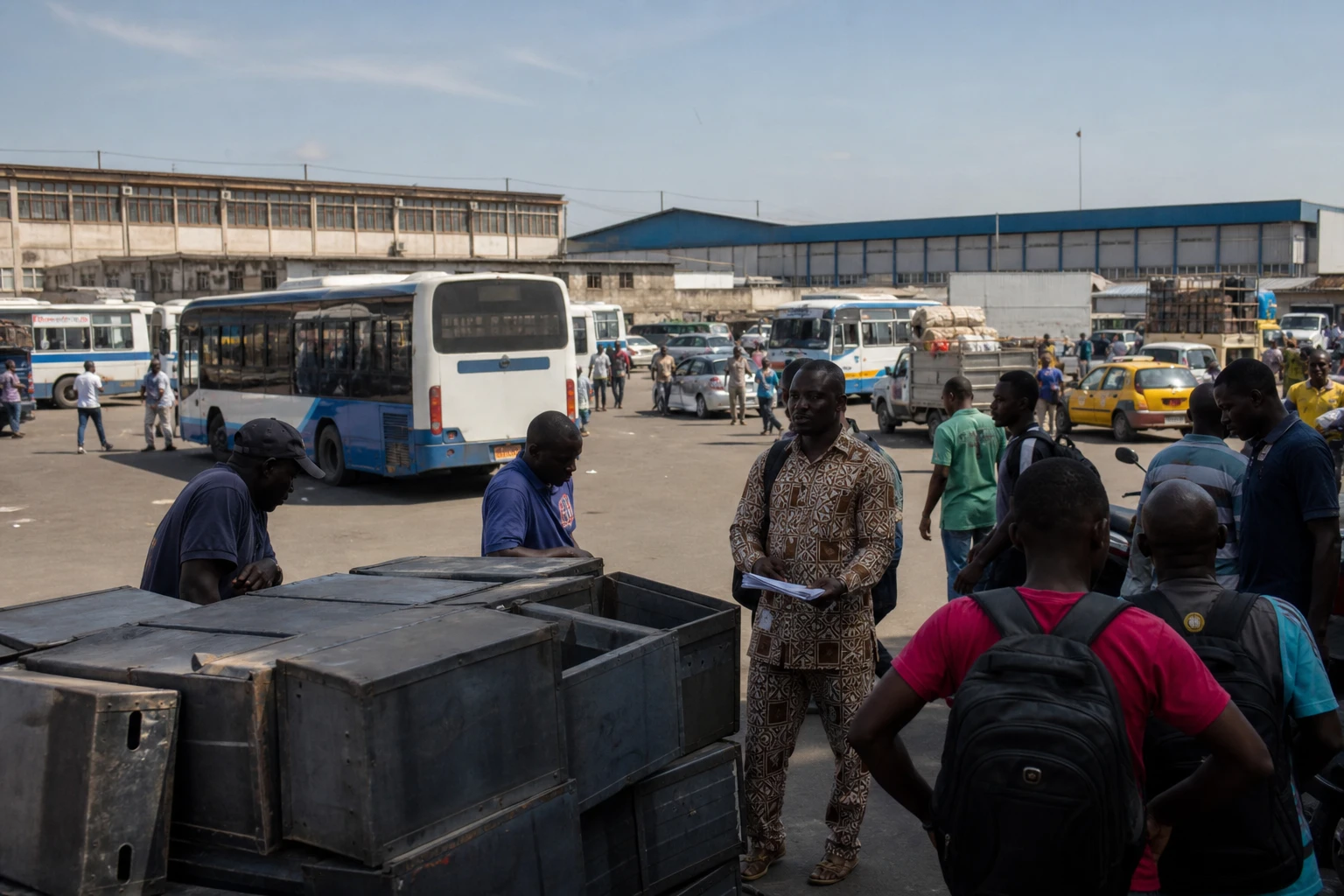
In Douala, the challenge is no longer simply to produce steel. It is also to secure raw materials, finance stocks and keep pace with construction projects, infrastructure and industrial demand. It is in this context that Prometal SA has obtained a new credit line dedicated to its day-to-day operations.
€40 million credit line to support production
The African Export-Import Bank, Afreximbank, has granted Prometal SA a €40 million revolving working capital facility. The amount represents around CFAF 26.2 billion. The agreement was signed on 28 September 2026 in Cairo, Egypt.
The document was signed by Denys Denya, Afreximbank’s executive vice-president, and Hayssam El Jammal, chief executive of Prometal Groupe. The pan-African bank published the news on 30 September, and it was reported by the African Press Agency.
This revolving facility does not directly finance a new plant. It is intended to cover working capital needs linked to the operating cycle. In practical terms, Prometal can use it to buy inputs, finance imports and maintain operations between purchasing raw materials and selling finished products.
According to consistent reports by Business in Cameroon and Investir au Cameroun, the credit line is expected in particular to facilitate the purchase of steel billets and other semi-finished steel products. These materials are then processed at the group’s plants.
The products concerned include building materials, agricultural equipment and various metal goods for businesses and households. The financing should therefore support continuity of production rather than a single stage of investment.
Operating finance complements an industrial programme
The deal follows another significant financing package for ProAlu, a Prometal subsidiary specialising in aluminium and copper processing. On 12 September 2025, four institutions announced financing of CFAF 54.4 billion for this new activity in Douala.
The financing was arranged by BGFI Bank, Société Générale Cameroun, Afriland First Bank and Proparco, the French Development Agency subsidiary dedicated to the private sector. According to Business in Cameroon, the package represented 61.8% of a total investment estimated at CFAF 88 billion.
The ProAlu project is located in the Bassa industrial zone in Douala. It aims to process aluminium and copper products to supply the Cameroonian market and, in time, markets in the sub-region. The Cameroon Business Association refers in particular to annual production of aluminium coils, pre-painted coils and electrical cables.
The two operations nevertheless address different needs. The 2025 financing supports the construction and roll-out of industrial capacity. The credit line granted in 2026, by contrast, provides a liquidity reserve to buy inputs, meet commercial commitments and keep the factories running.
This distinction is important to understanding the group’s strategy. An industrial company may have modern equipment yet lack the working capital to buy the raw materials needed to use it. Revolving credit eases this pressure by allowing financing capacity to be replenished as repayments are made.
Value chains at stake for Cameroon
For Cameroon, the deal forms part of the import-substitution policy. This approach aims to produce locally some of the goods previously bought abroad. In metallurgy, the goal is not to eliminate all imports, but to increase the share of processing carried out in the country.
The availability of inputs remains a decisive factor, however. Cameroonian industrial companies have to contend with transport costs, supply delays, fluctuations in international prices and sometimes limited access to locally sourced scrap metal. The new facility is intended to give Prometal more leeway to secure its purchases.
The financing could also affect several downstream sectors. Construction companies need reinforcing bars, metal structures and other steel products. Agriculture uses equipment made from processed metals. Local manufacturers, for their part, depend on regular deliveries and stable prices.
The expected benefits will not be the same for all stakeholders. Prometal gains greater financial visibility. Major construction projects can hope for more regular supplies. Small businesses and artisans will remain more exposed to selling prices, the cost of credit and delivery times.
The impact will also depend on the group’s ability to convert this financing into actual production. A working capital facility supports activity, but on its own it does not resolve issues related to energy, transport, technical skills or purchasing power. These factors will determine the real competitiveness of products made in Cameroon.
A deal extending beyond the Cameroonian market
Prometal operates in a regional environment dominated by the Economic and Monetary Community of Central Africa, CEMAC. The organisation includes Cameroon, Gabon, the Central African Republic, Congo, Equatorial Guinea and Chad, among others. The regional market offers opportunities, but trade remains sensitive to logistics costs and customs constraints.
Strengthening a Cameroonian producer of metal products could therefore support Central African value chains. It could also reduce some purchases of finished products from distant markets, provided prices, volumes and quality meet the expectations of regional customers.
For Afreximbank, the deal illustrates a broader priority: supporting African companies capable of processing raw materials on the continent. The bank is not simply financing a working capital need. It is also seeking to support an industrial player whose products can supply construction, agriculture and manufacturing in several countries.
The next step will be to measure the concrete effect of this €40 million credit line on Prometal’s supplies and production. Progress at ProAlu will also need to be monitored, as its commissioning should clarify Cameroon’s place in regional aluminium and copper processing.