Algeria
 Egypt
 Libya
 Morocco
 Sudan
 Tunisia
 Benin
 Burkina Faso
 Cabo Verde
 Côte d'Ivoire
 Ghana
 Guinea
 Guinea-Bissau
 Liberia
 Mali
 Mauritania
 Niger
 Nigeria
 Senegal
 Sierra Leone
 The Gambia
 Togo
 Cameroon
 Central African Republic
 Chad
 DR Congo
 Equatorial Guinea
 Gabon
 Republic of the Congo
 São Tomé and Príncipe
 Burundi
 Comoros
 Djibouti
 Eritrea
 Ethiopia
 Kenya
 Madagascar
 Malawi
 Mauritius
 Mozambique
 Rwanda
 Seychelles
 Somalia
 South Sudan
 Tanzania
 Uganda
 Angola
 Botswana
 Eswatini
 Lesotho
 Namibia
 South Africa
 Zambia
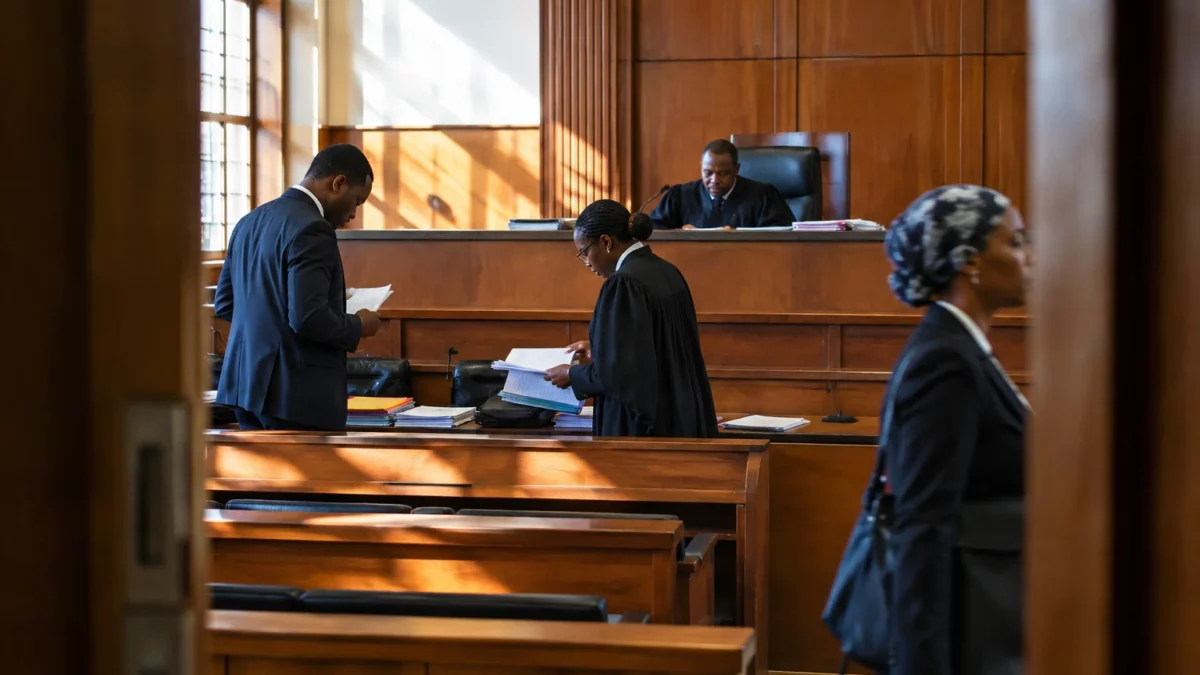
In a case involving religious authority, material assistance and a criminal accusation, the immediate question is one of judicial control: will the accused remain in custody while the case is examined? In Harare, the answer was still unknown at the end of the hearing on Tuesday 24 November 2026.
A hearing focused on bail
Zimbabwean preacher Uebert Angel, 48, and founder of the Spirit Embassy Church, appeared before a Harare magistrate. He faces a charge of aggravated indecent assault, a criminal offence that local reports distinguish from other allegations circulating online. The court ordered that the identity of the complainant and witnesses not be published.
The prosecution opposed his release on bail. It cited, among other things, a risk of flight, the preacher’s alleged financial means and international ties, as well as a possible risk of influence over witnesses. The prosecution says a conviction could result in a sentence of 15 to 20 years. This sentence and the arguments put forward remain the prosecution’s position, not a court ruling.
The bail application was due to continue on Wednesday 25 November. As of that date, Angel remained in pre-trial detention. He did not enter a plea at his first appearance. Being held in custody pending further proceedings does not constitute a finding of guilt.
What the prosecution alleges, and what the defence disputes
According to the account presented by the state, the alleged incident dates back to February 2025 and took place on church premises in Hippodrome, in the Braeside neighbourhood. The complainant, 40, had reportedly sought help with accommodation and her children’s school fees. The prosecution says Angel gave her US$1,000 and then assaulted her as she was leaving his office.
These details come from the prosecution’s account presented at the hearing. They have not been established by a court ruling. The court’s decision to protect the names of the complainant and witnesses also underscores the issues of confidentiality and safety in a case of this nature.
The defence, led in part by Professor Lovemore Madhuku, challenged the circumstances of the arrest. According to Zimbabwean reports, the lawyers said police had detained Angel during a church service and asked for complaints relating to the operation to be examined. They also said similar allegations had been reported to police in February 2026, before the complaint was withdrawn. The prosecution said the circumstances of the arrest would be examined.
The dispute therefore concerns both the substance of the accusation and the safeguards surrounding the investigation. The bail application does not determine guilt: the magistrate must assess the risk of flight, possible pressure on witnesses and the conditions that could be imposed for release.
A local case with institutional implications
In Harare, the case highlights the particular responsibility of institutions when a person facing prosecution has a high public profile and authority within a religious community. That influence does not prove any of the alleged risks. It does, however, explain why the prosecution cites the possibility of interference with witnesses, while the defence stresses the rights of the accused and the circumstances of his arrest.
For worshippers and people seeking assistance from religious organisations, the case also raises questions about complaints procedures and protection. But the precise circumstances remain to be established through adversarial proceedings. It would be premature to draw a general conclusion from this case about churches or assistance practices in Zimbabwe.
It is the judicial process, rather than accounts circulating on social media, that will determine what can be stated. The next hearings will have to clarify the arguments of both parties and the timetable for the proceedings. The presumption of innocence remains in force unless and until a conviction is handed down.
A test for the rule of law in southern Africa
Zimbabwe is a founding member of the Southern African Development Community (SADC), which brings together states in the region around cooperation and integration. The case remains a domestic matter for Zimbabwean courts; its regional significance lies chiefly in a shared principle: the credibility of justice depends on impartial proceedings, witness protection and respect for the rights of the defence, including in high-profile cases.
The next immediate milestone is the continuation of the bail hearing on 25 November. After that, attention will turn to the evidence presented in court and how complaints relating to the arrest are handled. At this stage, only the existence of a charge and ongoing proceedings has been established; the alleged acts remain disputed and have not been tried.