Algeria
 Egypt
 Libya
 Morocco
 Sudan
 Tunisia
 Benin
 Burkina Faso
 Cabo Verde
 Côte d'Ivoire
 Ghana
 Guinea
 Guinea-Bissau
 Mali
 Mauritania
 Niger
 Nigeria
 Senegal
 Sierra Leone
 The Gambia
 Togo
 Cameroon
 Central African Republic
 Chad
 DR Congo
 Equatorial Guinea
 Gabon
 Republic of the Congo
 São Tomé and Príncipe
 Burundi
 Comoros
 Djibouti
 Eritrea
 Ethiopia
 Kenya
 Madagascar
 Malawi
 Mauritius
 Mozambique
 Rwanda
 Seychelles
 Somalia
 South Sudan
 Tanzania
 Uganda
 Angola
 Botswana
 Eswatini
 Lesotho
 Namibia
 South Africa
 Zambia
 Zimbabwe

In Liberia, the question is not only how to build roads and power plants. It is how to turn wealth extracted from the ground into lasting public services, without burdening future revenues with poorly regulated commitments.
A proposed $5.7 billion agreement with Bea Mountain Mining Corporation (BMMC) puts this choice at the heart of the debate. Presented as a five-year infrastructure programme, it must still go through the signing and legislative review stages announced by the authorities.
National needs, a West African stake
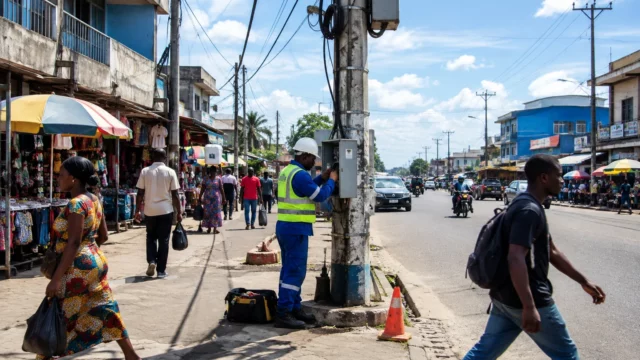
In Liberia, connecting the counties remains essential for travel, domestic trade and access to services. In Monrovia, the condition and capacity of roads also weigh on daily traffic. In the electricity sector, generation capacity and supply remain limited, particularly outside major urban centres.
These constraints affect more than households. They touch small businesses, farmers transporting their produce and industrial activity. Passable roads and a more reliable electricity supply could reduce some costs. But the benefits will depend on where infrastructure is located, how it is maintained and whether people have real access to the grid.
The issue extends beyond Liberia’s borders. ECOWAS, the organisation promoting the integration of West African states, is seeking in particular to strengthen trade and regional interconnections. Liberia’s infrastructure can contribute to this goal, provided it also serves communities and local operators, not just mining export routes.
A programme announced, not yet completed projects
The government received BMMC’s proposal on 22 November, according to reports by Liberian and regional media. Formal signing was scheduled for Wednesday 25 November 2026. The text must then be submitted to Parliament. At this stage, the amounts and works therefore describe a proposal, not projects already funded or under way.
The programme provides for four power plants with a combined capacity of 270 megawatts: three hydroelectric installations, producing 210 megawatts, and a 60-megawatt biomass plant. It also includes electricity transmission lines, reservoirs and $230 million to strengthen the national grid. The proposal gives a two-year timeline for the biomass plant and power lines.
The road component includes about $1 billion of investment in eight counties: Nimba, Bong, Grand Bassa, Sinoe, Bomi, Gbarpolu, Lofa and Grand Cape Mount. The latter, where Bea Mountain operates, would receive $50 million. The plan also refers to a 146-kilometre road, named Liberia Development Road, designed to connect power plants to strategic facilities.
In Monrovia, it provides for the Gabriel Tucker Bridge to be widened to four lanes, an additional bridge and improvements to the Kesselly Boulevard corridor towards 12th Street in Sinkor. Community roads in the capital and surrounding areas are also included in the announcements. The routes, beneficiaries and timelines will need to be checked against the text submitted to lawmakers.
The central question: who pays, and under what rules?
The proposed mechanism would rely on the additional revenue the state expects from BMMC between 2026 and 2030, particularly if gold prices remain high. According to published information, the company would continue to pay its usual contributions into the government’s consolidated account. The government presents this formula as a way to fund infrastructure without directly resorting to more public borrowing.
This explanation, however, is not enough to establish the final cost to public finances. A fall in the price of gold could reduce expected revenues. Lawmakers will also need to examine the calculation methods, any interest, completion guarantees, procurement rules and audit mechanisms. The announced amount alone does not specify the payment schedule or how risks will be shared.
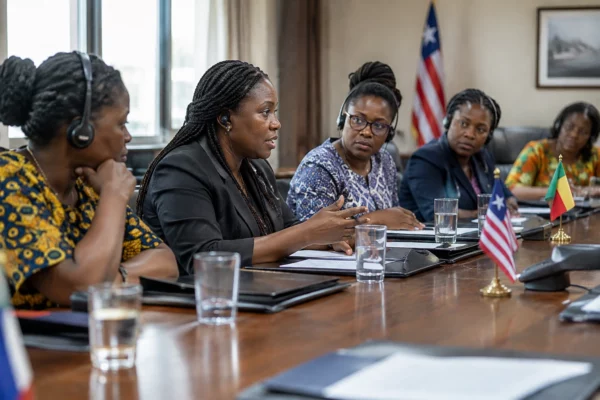
Samuel B. Reeves, president of the Liberia Council of Churches, has expressed reservations about the project’s financial terms and guarantees, according to Liberian media. His concerns underline the importance of parliamentary oversight. The Liberia Extractive Industries Transparency Initiative, which publishes information on extractive revenues and contracts, is also a monitoring tool to be used once the commitments are made public.
Vigilance is also needed in communities near mining operations. Investigations published in 2026 have reported local concerns and environmental incidents associated with BMMC’s activities, based on regulatory documents and testimonies. These accounts do not establish responsibility in each case, but they are a reminder that expected benefits must be accompanied by environmental monitoring, consultation and accessible channels for redress.
A railway precedent and a parliamentary deadline
The issue forms part of a broader policy direction. In January 2026, Liberia’s Parliament ratified an amendment to the mining agreement with ArcelorMittal. The $1.8 billion expansion programme includes investment in the railway corridor between Tokadeh and the port of Buchanan, as well as the gradual opening of the line to multiple users. The agreement extends the company’s mining rights until 2050.
The two arrangements do not work in the same way: the ArcelorMittal project accompanies the expansion of a mining company and its transport infrastructure; the Bea Mountain proposal would allocate additional public revenues to facilities presented as national. Together, they raise a fundamental question for Liberia and the region: how can corridors, electricity and resource revenues benefit the wider economy beyond the concessions concerned?
The next step is parliamentary review of the Bea Mountain text, following the announced signing. This is where detailed costs, timelines, risks linked to gold prices and transparency obligations will need to be clarified. The project’s significance will be measured less by its headline price tag than by published contracts, completed works and services that Liberians can actually access.