Algeria
 Egypt
 Libya
 Morocco
 Sudan
 Tunisia
 Benin
 Burkina Faso
 Cabo Verde
 Côte d'Ivoire
 Ghana
 Guinea
 Guinea-Bissau
 Liberia
 Mali
 Mauritania
 Niger
 Nigeria
 Senegal
 Sierra Leone
 The Gambia
 Togo
 Cameroon
 Central African Republic
 Chad
 Equatorial Guinea
 Gabon
 Republic of the Congo
 São Tomé and Príncipe
 Burundi
 Comoros
 Djibouti
 Eritrea
 Ethiopia
 Kenya
 Madagascar
 Malawi
 Mauritius
 Mozambique
 Rwanda
 Seychelles
 Somalia
 South Sudan
 Tanzania
 Uganda
 Angola
 Botswana
 Eswatini
 Lesotho
 Namibia
 South Africa
 Zambia
 Zimbabwe
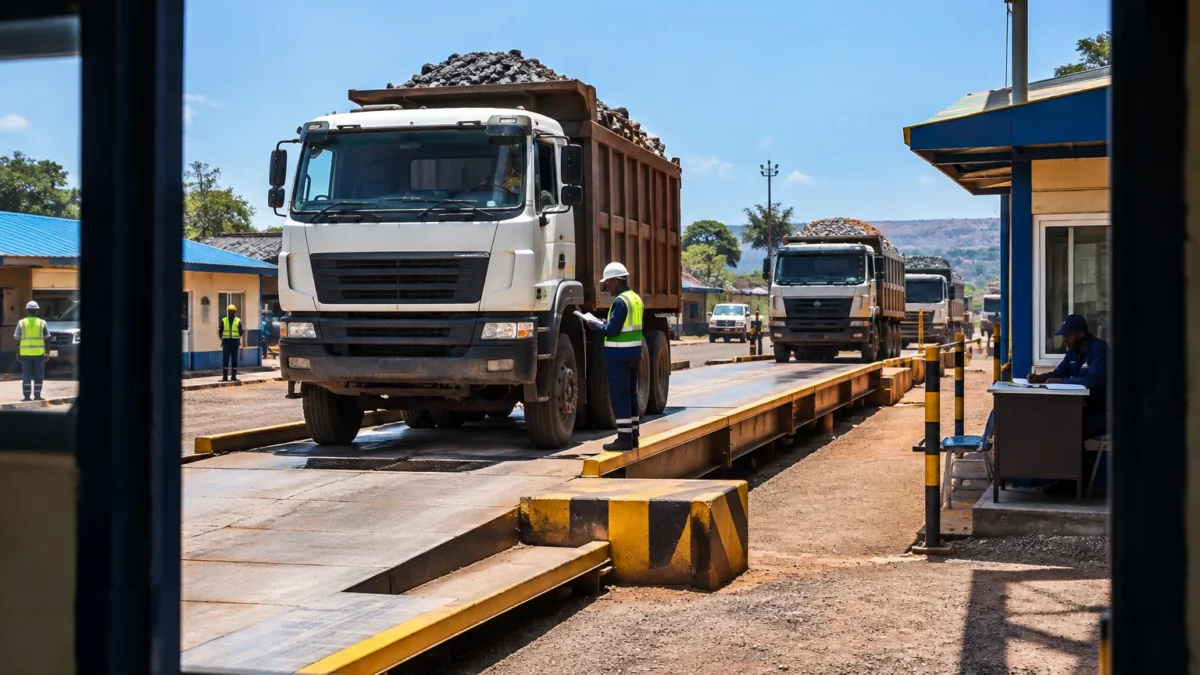
Mineral extracted in the Democratic Republic of the Congo does not automatically become state revenue. From production and transport to exports and tax declarations, public agencies need to be able to track volumes and compare data. This is one of the areas targeted by new public financing worth €70 million.
Better-connected public agencies
On 21 November 2026, the Congolese government adopted a bill authorising the ratification of a loan agreement concluded with the French Development Agency (AFD). The loan is intended to finance the fourth phase of the financial governance support project, according to the minutes of the Council of Ministers reported by the Congolese Press Agency. The announced amount is €70 million.
Adoption does not yet mean that the loan has been ratified by Parliament or that the funds have been disbursed. The bill must go through the required institutional steps before it can be implemented. An independent report by Beto.cd confirms the government’s adoption and the amount. It describes the financing as support for the computerised mobilisation of public resources.
The programme extends the Project to Support the Computerised Mobilisation of Revenue (PAMIR). It plans, in particular, to continue linking revenue agencies — the services responsible for tax, customs and non-tax revenues —, support the decentralisation of public finances in the provinces and digitise the monitoring of mineral flows. A PAMIR overview published by the European Union delegation already documents work to link agencies and modernise IT systems in Kinshasa, Matadi and Lubumbashi.
The challenge: turning data into revenue
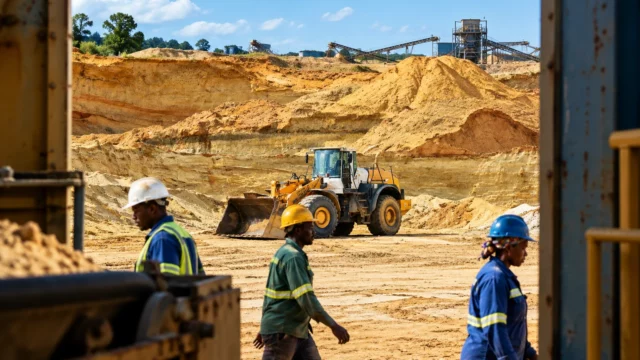
By linking systems, public agencies could more easily compare company declarations with customs data and information on the volumes extracted or traded. Digital monitoring of mining flows is therefore intended to make checks more precise. It does not, however, guarantee that all irregularities will be detected or that revenues will automatically rise. Results will depend on data quality, coordination between agencies and the ability to follow up on checks.
The need is considerable. The African Development Bank (AfDB) estimates the DRC’s tax-to-GDP ratio at 13.5% in 2025. It points to a narrow tax base, a largely informal economy and limited financial inclusion. Its 2026 country report also notes that growth remains heavily driven by extractive activities and is unevenly distributed across the economy.
Mines make a direct contribution to public finances. The Congolese Ministry of Budget’s 2026 budget framework document puts the average share of mining revenues in the state’s current revenues at 32.55% over the 2015-2024 period. This dependence also exposes the budget to fluctuations in global prices. Digital tools can improve visibility over flows, but cannot eliminate this volatility.
For provincial authorities, the decentralisation component also matters. More reliable transfers and a clearer picture of local revenues could support spending plans outside Kinshasa. But linking systems alone will not resolve delays in transfers, differences in capacity between provinces or the need to equip and train staff. The benefit to residents will ultimately depend on whether revenue is translated into public services and investment.
A governance issue beyond the loan
The programme forms part of a series of public financial management reforms. The fourth phase signals continuity in support, but also raises questions about sustainability: Congolese public agencies will need to maintain the systems, secure the data and use them after the funding period ends. Transparency over procurement, project spending and results will therefore be just as important as installing the tools.
The issue extends beyond national borders. The DRC is a member of the East African Community and the Southern African Development Community (SADC). Mineral flows pass through regional trade networks, so their traceability and revenue controls have implications for neighbouring partners and supply chains. Better-equipped public agencies in Kinshasa could contribute to better-documented trade, without resolving on their own the challenges of smuggling or oversight in areas where the state struggles to exercise its authority.
The next step is parliamentary: the ratification bill must be examined before the financing can proceed. After that, the key measure will not simply be the deployment of software or networks. It will be whether public agencies actually share their data, whether checks lead to verifiable revenue collection and whether provinces have more predictable resources. These are the results that will determine the loan’s impact on Congolese public finances.