
 Algeria
 Egypt
 Libya
 Morocco
 Sudan
 Tunisia
 Benin
 Cabo Verde
 Côte d'Ivoire
 Ghana
 Guinea
 Guinea-Bissau
 Liberia
 Mali
 Mauritania
 Niger
 Nigeria
 Senegal
 Sierra Leone
 The Gambia
 Togo
 Cameroon
 Central African Republic
 Chad
 DR Congo
 Equatorial Guinea
 Gabon
 Republic of the Congo
 São Tomé and Príncipe
 Burundi
 Comoros
 Djibouti
 Eritrea
 Ethiopia
 Kenya
 Madagascar
 Malawi
 Mauritius
 Mozambique
 Rwanda
 Seychelles
 Somalia
 South Sudan
 Tanzania
 Uganda
 Angola
 Botswana
 Eswatini
 Lesotho
 Namibia
 South Africa
 Zambia
 Zimbabwe
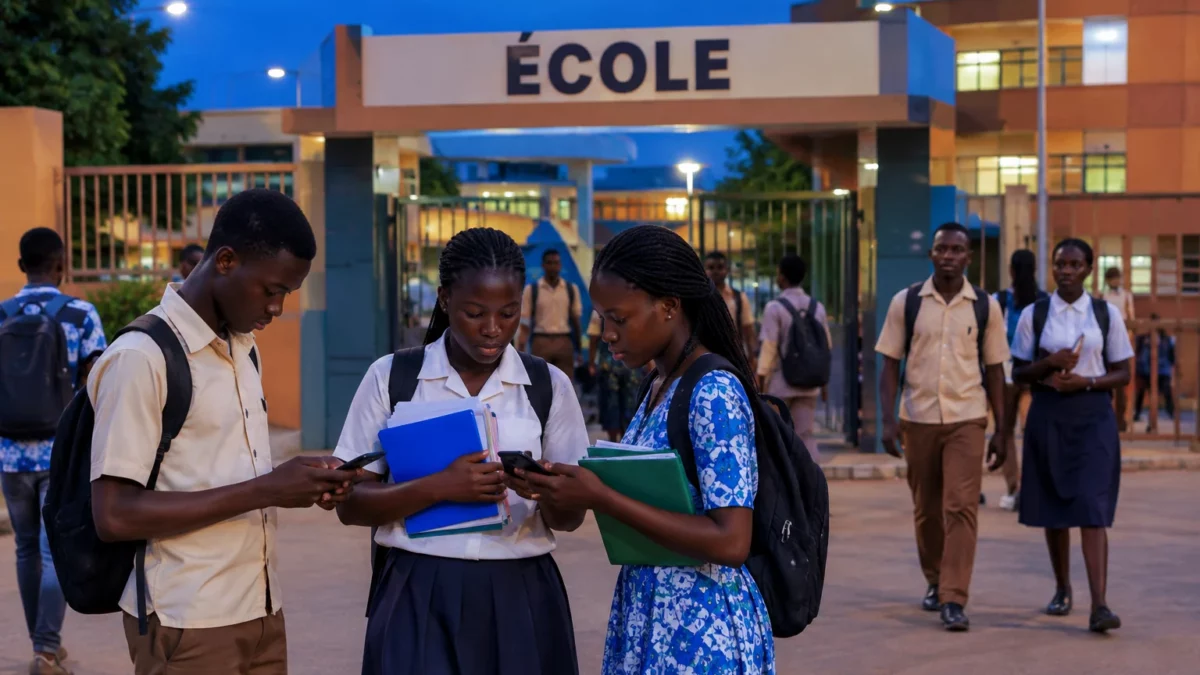
A scholarship can help a pupil continue their education. But the criteria must be clear, the application must reach its destination and the grant must be paid on time. In Burkina Faso, the 2026-27 campaign combines an increase in the number of new beneficiaries with more digital procedures.
An expanded scheme, from school to vocational training
For the 2026-27 school year, the Burkinabè state plans to allocate more than 5 billion CFA francs to support around 34,000 learners, both existing and new beneficiaries. The announced intake includes 10,000 new scholarships. The measure also covers vocational and technical training, beyond conventional school pathways alone. These figures, released by the ministry responsible for secondary education, were reported by several Burkinabè media outlets and the African Press Agency.
The National Scholarship Commission met from 16 to 19 November to review preselected applications and approve the lists. The first payments to new beneficiaries are expected in December, according to the reported timetable. The administration plans to pay grants through mobile money services. It has also announced the digitisation of application management.
The change matters as much for the process as for the announced number of scholarships. Going paperless could reduce travel and speed up processing, particularly for families far from administrative services. But it requires effective internet access, a suitable phone and clear information about the documents to be submitted. Without solutions for people with limited connectivity, an entirely online process could also create new barriers.
Criteria and amounts still to be specified
The ministry has also announced the introduction of intermediate scholarships. However, the information made public does not specify which school years are concerned, the award criteria or the amounts. These details will make it possible to understand which pupils will be eligible and how these grants will fit alongside existing scholarships.
The overall amount alone does not show how much support each learner will receive. Nor does it indicate which costs are covered, how long support will last or the full payment schedule. For families, the impact will depend on whether payments are regular and suited to actual expenses: supplies, transport, accommodation or training-related costs.
The previous campaign offers a point of comparison, but an incomplete one. In 2025-26, 9,850 applications had been preselected out of 18,000, according to a ministerial assessment released in October 2025. The total included 8,000 state scholarships and 1,850 awarded by the Orange Foundation. These figures describe a stage in the selection process, not necessarily the final number of scholarships actually paid. They also do not explain why the other applications were not selected.
Measure access, not just count beneficiaries
To assess the reform’s reach, the entire process will need to be tracked: applications submitted, candidates selected, final decisions, payments made and disbursement times. The geographical distribution and profiles of beneficiaries would also help show whether the new rules reach pupils in cities as well as rural areas. Finally, tracking re-enrolment, dropouts and course completion will reveal more about continuity in education than the number of grants announced alone.
Burkina Faso also has targeted support schemes. On 25 September 2026, the Autonomous Civil Servants’ Pension Fund (CARFO) and its partners announced more than 1,200 scholarships for orphans of pensioners and children of the defence and security forces. Each grant amounts to 100,000 FCFA, while guardians receive food supplies. The Burkina Information Agency and the ministry responsible for the civil service reported the initiative. This separate programme shows that some forms of aid combine support for pupils with support for the households looking after them.
A national issue in a changing region
These decisions are part of a particular political trajectory. Burkina Faso has been governed by transitional authorities since the 2022 coup. Since 29 January 2025, the country, Mali and Niger have no longer been members of ECOWAS, the Economic Community of West African States. The three states have formed the Confederation of the Alliance of Sahel States. This regional reconfiguration does not directly change scholarship criteria, but it places Burkina Faso’s public policies within a West African institutional landscape in flux.
For learners, the immediate issue remains a practical one: knowing whether they are eligible, receiving an understandable decision and getting support when education costs arise. The next step will therefore be less about announcing a budget than publishing detailed rules, approved lists and an account of payments. These are the measures by which real access to scholarships in 2026-27 will be judged.



