Algeria
 Libya
 Morocco
 Sudan
 Tunisia
 Benin
 Burkina Faso
 Cabo Verde
 Côte d'Ivoire
 Ghana
 Guinea
 Guinea-Bissau
 Liberia
 Mali
 Mauritania
 Niger
 Nigeria
 Senegal
 Sierra Leone
 The Gambia
 Togo
 Cameroon
 Central African Republic
 Chad
 DR Congo
 Equatorial Guinea
 Gabon
 Republic of the Congo
 São Tomé and Príncipe
 Burundi
 Comoros
 Djibouti
 Eritrea
 Ethiopia
 Kenya
 Madagascar
 Malawi
 Mauritius
 Mozambique
 Rwanda
 Seychelles
 Somalia
 South Sudan
 Tanzania
 Uganda
 Angola
 Botswana
 Eswatini
 Lesotho
 Namibia
 South Africa
 Zambia
 Zimbabwe
For Egypt, the challenge is not limited to bringing in new foreign currency. The latest review of the International Monetary Fund (IMF) programme also raises a longer-term question: how to finance the economy after the agreement ends, without shifting the entire cost of adjustment on to households and businesses?
A staff-level agreement before the programme ends
On 18 November 2026, IMF staff and the Egyptian authorities reached a staff-level agreement on two reviews of the country’s economic programme. This step covers the eighth and final review of the Extended Fund Facility, as well as the third review of the Resilience and Sustainability Facility. Disbursement remains subject to approval by the Fund’s executive board.
If the board gives the green light, Egypt could receive about $1.5bn under the 48-month credit programme and up to $800m through the facility devoted, among other things, to resilience issues. Total disbursements linked to the two arrangements would then reach about $9.6bn, according to Egyptian news agency MENA and national media outlet Ahram Online.
The main programme, initially set at $3bn in 2022, was increased to $8bn in March 2024 amid a foreign currency shortage and high inflation. It is due to expire on 15 December 2026. Prime Minister Mostafa Madbouly said in June that the government did not, at this stage, plan to seek a new IMF financing agreement after that date.
Growth recovering, but balances remain fragile
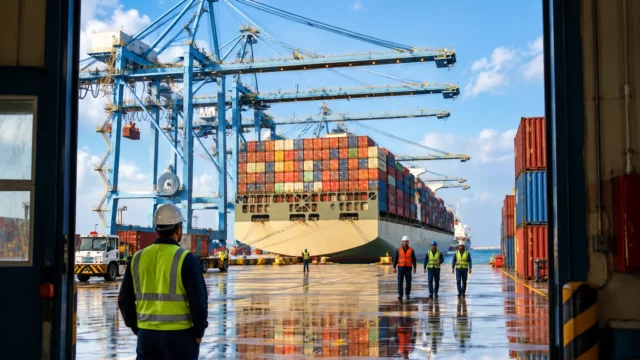
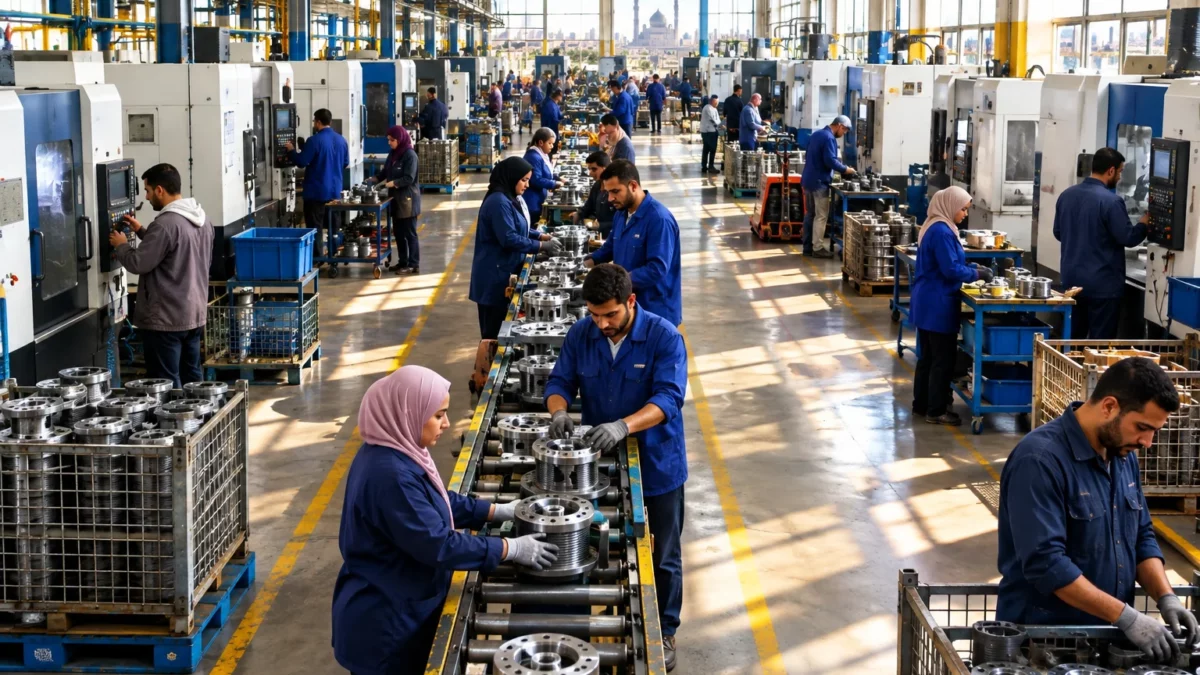
The IMF estimates that Egyptian economic activity grew by 5.1% in the financial year ending in June 2026. Figures released by the Egyptian authorities and cited in a Finance Ministry report confirm this rate, following growth of 4.4% the previous year. The recovery in Suez Canal-related activity and oil contributed to the improvement, alongside continued growth in manufacturing, tourism and telecommunications.
This rebound does not mean that financial pressures have disappeared. Suez Canal revenues remain exposed to regional disruptions and changes in shipping routes. Fluctuations in international energy prices can also weigh on imports and domestic prices. Strong results in some sectors therefore do not automatically translate into an equivalent improvement for every business or household.
Monetary policy reflects this caution. On 29 October, the Central Bank of Egypt raised its key rates by 100 basis points, or one percentage point. The overnight deposit rate rose to 20%, and the lending rate to 21%. The bank presented the decision as a way to contain price pressures and keep inflation expectations under control.
The post-IMF challenge
The announced disbursements could support foreign currency reserves and help finance external needs. But a staff-level agreement is not yet a confirmed payment: approval by the IMF board is still required. Even after that decision, aid will not replace sustainable revenues from exports, productive investment and services.
The decision not to seek a new programme does not mean Cairo is turning away from all international financial co-operation. It mainly means that the authorities want to prepare a national economic framework for the period ahead. The credibility of that framework will depend on concrete measures: businesses’ access to foreign currency, the role of the private sector, the trajectory of debt and the ability to protect purchasing power.
The effects of adjustment are not uniform. High interest rates can help curb inflation, but also make credit more expensive for businesses and households. Large companies and players with access to external financing do not face the same constraints as small businesses, self-employed workers or households reliant on fixed incomes. Average growth provides information about overall activity; it is not enough to describe how its benefits are distributed.
Regional implications to watch
Egypt is a major North African player and a member of the Common Market for Eastern and Southern Africa (COMESA), which aims to facilitate trade among its member states. Its financial stability can therefore matter beyond its borders, particularly through its trade, logistics and energy links. The Suez Canal also remains an essential route for trade between Asia, Europe and Africa.
For the African Union, the issue goes beyond the timetable for a loan. It concerns the room for manoeuvre states have in the face of external shocks and their ability to finance development without exacerbating social pressures. In the coming days, the IMF executive board’s decision will be the immediate development to watch. Then, after 15 December, the content of the national programme announced by the authorities will show how Egypt intends to continue its reforms and support growth.