Algeria
 Egypt
 Libya
 Morocco
 Sudan
 Tunisia
 Benin
 Burkina Faso
 Cabo Verde
 Côte d'Ivoire
 Ghana
 Guinea
 Guinea-Bissau
 Liberia
 Mali
 Mauritania
 Niger
 Nigeria
 Senegal
 Sierra Leone
 The Gambia
 Togo
 Cameroon
 Central African Republic
 Chad
 DR Congo
 Equatorial Guinea
 Gabon
 Republic of the Congo
 São Tomé and Príncipe
 Burundi
 Comoros
 Djibouti
 Eritrea
 Ethiopia
 Kenya
 Madagascar
 Malawi
 Mauritius
 Mozambique
 Rwanda
 Seychelles
 Somalia
 South Sudan
 Tanzania
 Uganda
 Angola
 Eswatini
 Lesotho
 Namibia
 South Africa
 Zambia
 Zimbabwe
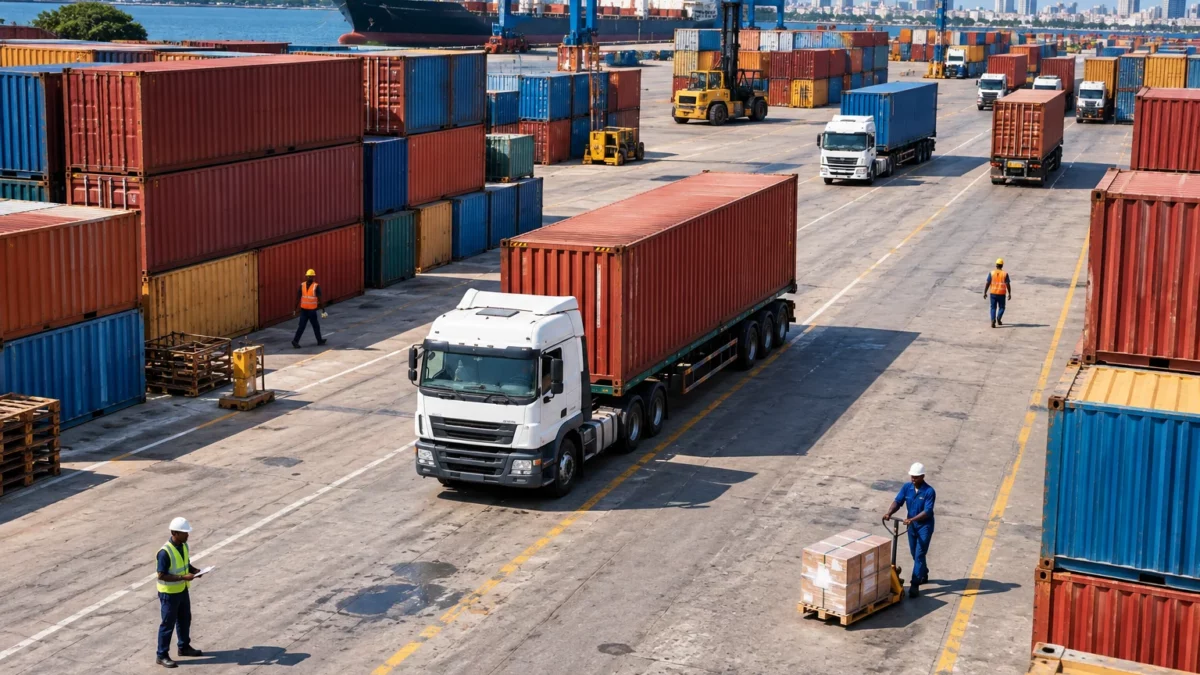
For Botswana’s businesses, accessing West African markets requires more than signing agreements in Abidjan. It also means aligning rules, reducing border barriers and turning diplomatic promises into concrete trade. This was the challenge highlighted by Duma Boko during his state visit to Côte d’Ivoire.
Two regions, complementary economic interests
Botswana is a member of the Southern African Development Community (SADC), which brings together 16 countries and has its secretariat in Gaborone. Côte d’Ivoire, meanwhile, belongs to the West African bloc. Their closer ties therefore connect two regions where businesses and public administrations must navigate different trade frameworks.
Botswana has extensive experience in managing mineral resources, particularly diamonds. But this specialisation leaves its economy exposed to fluctuations in global demand. The International Monetary Fund has highlighted the country’s heavy reliance on diamond exports and the difficulties caused by their decline. Côte d’Ivoire, a major producer of cocoa and cashew nuts, is also developing its extractive industries, particularly gold, oil and gas.
This complementarity creates opportunities for cooperation, but does not guarantee benefits for local populations. These will depend on the investments made, the jobs created locally and the share of added value retained in each country.
From statements to cooperation agreements
Duma Boko arrived in Abidjan on 15 November 2026 for a visit scheduled to run until 18 November, and met Ivorian President Alassane Ouattara on Monday 16 November. The discussions covered mining, energy, agriculture, trade and investment. Cooperation agreements were signed in these sectors, according to accounts published after the meeting.
The Botswana head of state called for increased trade between African countries. In Abidjan, he said its low level could point to the limitations of the development models adopted. He also advocated harmonising trade rules and removing barriers deemed unnecessary.
His argument is as economic as it is strategic: more diversified trade could, he said, reduce exposure to external shocks, such as conflicts that disrupt energy markets or supply chains. This remains a political goal. It does not mean the new bilateral agreements will immediately generate significant trade flows.
The visit builds on an existing rapprochement. In July 2026, the two countries concluded an initial cooperation agreement in mining and energy. Boko is also due to take part in the second edition of the International Exhibition of Extractive and Energy Resources (SIREXE), held in Abidjan. Botswana is being honoured there for its experience in managing mineral resources.
Free movement cannot be decreed
At continental level, the African Continental Free Trade Area (AfCFTA) aims to facilitate trade in goods and services between African countries. Trade under the agreement began in 2021. However, a continental agreement alone does not eliminate formalities, logistical difficulties, border checks or regulatory differences.
Botswana already has strong regional integration, particularly through its ties with South Africa and the Southern African Customs Union. According to the SADC Statistical Bulletin published in 2026, 78.5% of Botswana’s imports came from countries in the region in 2024. This figure concerns imports, not overall foreign trade. It is a reminder that regional openness already exists, but does not guarantee balanced trade or diversified exports.
For small businesses, agricultural producers and traders, the stakes will be very practical: transport costs, customs clearance times and recognition of standards can determine whether a new market is genuinely accessible. Large mining and energy groups generally have greater resources to overcome these barriers. The benefits of cooperation will therefore also depend on the opportunities available to local suppliers and smaller businesses.
A test for pan-African cooperation
The closer ties between Gaborone and Abidjan illustrate a broader ambition: to build economic links between distant countries, beyond trade concentrated in their respective regions. They also give practical weight to discussions on the AfCFTA. But presidential statements are not enough. The implementation of the agreements, announced investments and changes in trade will show what results they deliver.
Botswana’s reliance on diamonds makes diversification particularly important, while Côte d’Ivoire is seeking to broaden its productive base beyond its traditional agricultural sectors. The two paths are not identical. They nevertheless converge on a central question: how can resources and partnerships be turned into jobs, skills and sustainable local economic activity?
The available evidence confirms the visit, the bilateral discussions and the sectors targeted. It is not yet enough to assess the agreements’ effect on trade volumes or people’s incomes. The next indicator will be whether they translate into funded projects, applicable rules and accessible opportunities for businesses in both countries.