Algeria
 Egypt
 Libya
 Morocco
 Sudan
 Tunisia
 Benin
 Burkina Faso
 Cabo Verde
 Ghana
 Guinea
 Guinea-Bissau
 Liberia
 Mali
 Mauritania
 Niger
 Nigeria
 Senegal
 Sierra Leone
 The Gambia
 Togo
 Cameroon
 Central African Republic
 Chad
 DR Congo
 Equatorial Guinea
 Gabon
 Republic of the Congo
 São Tomé and Príncipe
 Burundi
 Comoros
 Djibouti
 Eritrea
 Ethiopia
 Kenya
 Madagascar
 Malawi
 Mauritius
 Mozambique
 Rwanda
 Seychelles
 Somalia
 South Sudan
 Tanzania
 Uganda
 Angola
 Botswana
 Eswatini
 Lesotho
 Namibia
 South Africa
 Zambia
 Zimbabwe
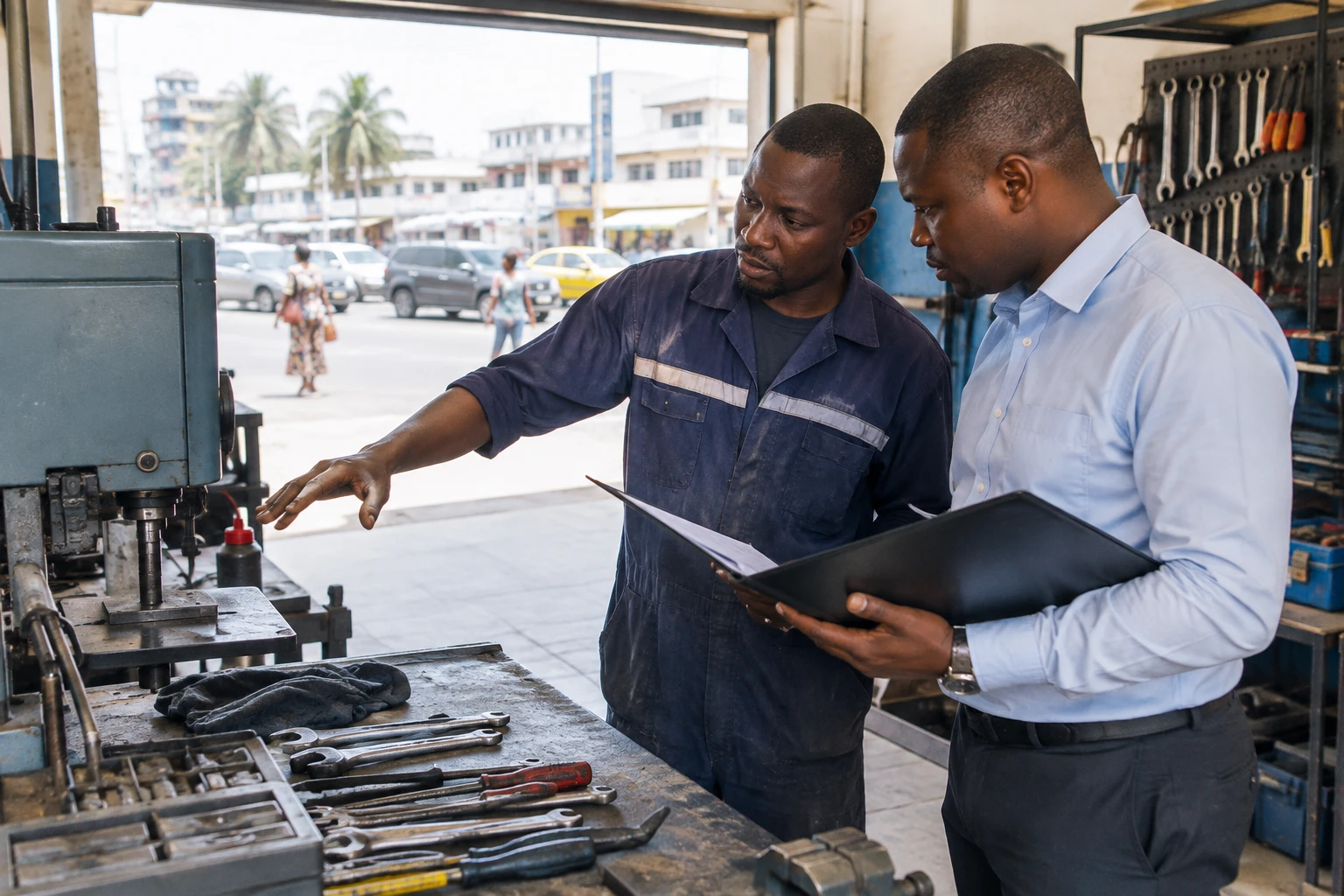
For a small business, a fire, water damage or a machine breakdown means more than the cost of repairs. A halt to operations can also delay deliveries, undermine revenue and make it harder to retain jobs. In Côte d’Ivoire, a new banking campaign is putting business continuity in the spotlight, with discounts on selected business insurance policies.
Protecting equipment and preparing to resume operations
Called “Back to Secure 2026”, the NSIA Banque Côte d’Ivoire campaign offers preferential terms until 4 January 2027. The bank says discounts can reach 15% for taking out a first insurance policy and 20% for two solutions. For existing customers, announced discounts are up to 20% on two additional solutions and 25% for three or more.
These rates are those announced by the institution. They do not apply to health or motor insurance and remain subject to an assessment of each application. Businesses are invited to discuss their needs with their account manager or at a branch. The details of cover, exclusions, excesses and prices after the campaign will therefore need to be checked before taking out a policy.
The bank presents the initiative as a way to help businesses protect their assets and prepare to resume operations after a claim. Pascale Forson, NSIA Holding Financière’s director of commercial development, says preserving a company’s ability to continue operating is as important as financing its growth. This statement sets out the campaign’s commercial objective; it is not an independent assessment of its impact.
A practical concern for Ivorian SMEs
For a business with limited cash reserves, a breakdown or other incident can quickly disrupt operations. Stock, equipment, premises and payment deadlines are all interconnected. An interruption can affect employees, suppliers and customers, with different consequences depending on the company’s size and sector.
Insurance cover, however, is only one part of preparedness. It does not replace equipment maintenance, safety measures or a continuity plan setting out how to maintain or restart operations. The appropriate cover also depends on the risks a business actually faces: a workshop, a shop and a services company do not have the same needs.
The issue arises amid continuing challenges in access to finance for Ivorian businesses. An African Peer Review Mechanism country review report cites survey data showing that 69.1% of businesses surveyed in Côte d’Ivoire considered access to finance a major constraint. Insurance can help manage certain risks, but it cannot by itself resolve difficulties with credit or cash flow.
This distinction matters particularly for small businesses, which have to choose between several immediate expenses. A discount may lower the initial price, without guaranteeing that the cover matches priority risks or that a business can absorb the costs that remain its responsibility. Checking the policy terms therefore remains essential.
A market governed by regional rules
Côte d’Ivoire is a member of the West African Economic and Monetary Union (WAEMU), whose states share, among other things, a currency and a regional banking framework. In insurance, the country is also subject to the rules of the Inter-African Conference on Insurance Markets (CIMA), which sets common standards for several African states. These frameworks underscore that the sale of banking or insurance products takes place within national and regional regulatory systems.
The campaign’s practical value will depend less on its name than on the contracts on offer, the cover available and how well it matches the activities insured. Businesses should distinguish between property insurance, which compensates for certain damage under the terms of the policy, and cover for losses resulting from business interruption, where such cover is offered and taken out.
For business leaders, the process therefore begins with identifying essential equipment, site-specific risks and the time needed to resume operations. For employees and suppliers, the issue is indirect but real: a business that gets back up and running more quickly can limit delays and honour some of its commitments. The effects will differ for an SME based in Abidjan and a business operating in another region, where access to branches and service providers may vary.
What the campaign’s impact will show
NSIA Banque Côte d’Ivoire says it serves individuals, SMEs and large businesses through its network. The campaign thus extends its offering beyond financing, linking banking services with the management of operational risks. But no independent data in the information reviewed makes it possible to establish how many businesses will be covered, what incidents they may be protected against or how the campaign will affect their survival.
It would therefore be useful to track verifiable indicators: the number of policies taken out, the types of cover, the distribution between Abidjan and other regions, and the handling of claims. These indicators would help distinguish a short-term promotional campaign from lasting access to solutions tailored to SMEs.
Across West Africa, the issue extends beyond a single bank. Business resilience depends on accessible finance, clear insurance cover and services that can operate beyond the main economic centres. In Côte d’Ivoire, the next immediate milestone is the announced end of the offer on 4 January 2027. Its practical value will be judged above all by the cover businesses actually obtain and their ability to resume operations after an unexpected event.