Algeria
 Egypt
 Libya
 Morocco
 Sudan
 Tunisia
 Benin
 Burkina Faso
 Cabo Verde
 Côte d'Ivoire
 Ghana
 Guinea
 Guinea-Bissau
 Liberia
 Mali
 Mauritania
 Niger
 Nigeria
 Sierra Leone
 The Gambia
 Togo
 Cameroon
 Central African Republic
 Chad
 DR Congo
 Equatorial Guinea
 Gabon
 Republic of the Congo
 São Tomé and Príncipe
 Burundi
 Comoros
 Djibouti
 Eritrea
 Ethiopia
 Kenya
 Madagascar
 Malawi
 Mauritius
 Mozambique
 Rwanda
 Seychelles
 Somalia
 South Sudan
 Tanzania
 Uganda
 Angola
 Botswana
 Eswatini
 Lesotho
 Namibia
 South Africa
 Zambia
 Zimbabwe
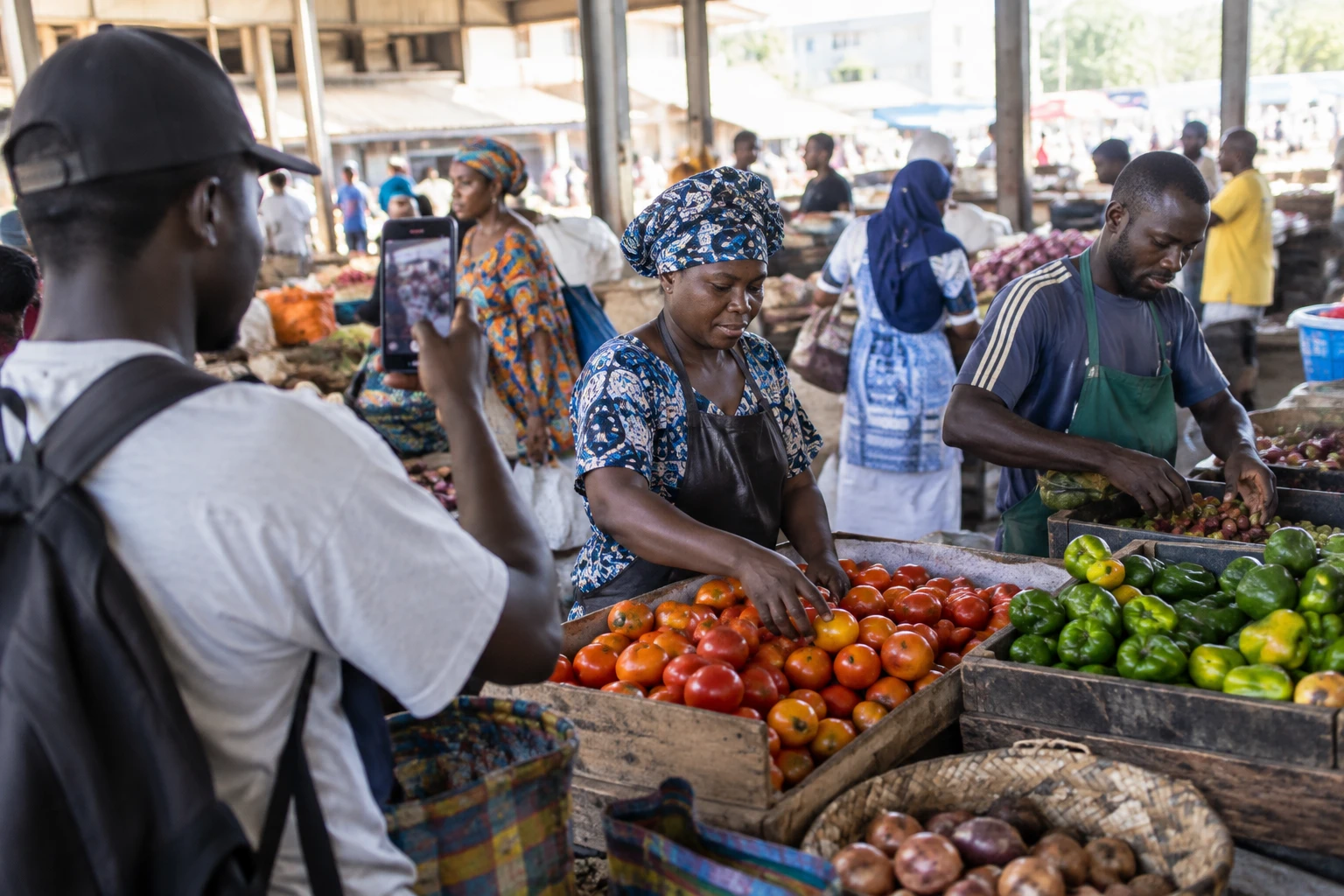
Sporting events unfold far beyond the stands. In Dakar, videos filmed in neighbourhoods, young people’s reactions and behind-the-scenes images are giving the Youth Olympic Games another stage: social media. This coverage tells the story of the competitions, but also of how Senegalese people are experiencing an event being held on the African continent for the first time.
Games spread across Dakar, Diamniadio and Saly
The YOG take place from 31 October to 13 November 2026. They bring together young athletes for sport as well as cultural and educational activities. Events are held across three host areas: Dakar, Diamniadio and Saly. This format extends the event beyond the capital and puts several parts of Senegal at the heart of its public narrative. The venues and host cities for the Dakar 2026 YOG include eight competition sites.
This matters to content creators. A video filmed in the Médina shows a different side of the Games from a podium recap or a clip shot inside a sports venue. These formats can bring the event closer to people who do not follow conventional broadcasts. They also give space to local places, voices and customs, provided the content goes beyond using them as mere backdrops.
One example highlighted during the Games is Olypro, a creator associated with the Médina. His work focuses on a Dakar neighbourhood and its residents, rather than limiting the narrative to official venues. The precise reach of his posts and their audience have not been established here using independent data. Their editorial value lies chiefly in their angle: neighbourhoods can tell their own story of how they relate to an international event.
Visibility is not measured in views alone
Social media speeds up the circulation of images. A clip may be shared by Senegalese users, then by the diaspora or audiences abroad. But view counts alone are not enough to measure what this exposure brings to Senegal. It is also important to consider who is speaking, which places are shown and whether the stories reflect the diversity of people’s experiences.
The issue surfaced in the Senegalese press during the Games. The daily newspaper Le Soleil reported criticism directed at some local influencers, whom followers accused of saying little about the YOG outside paid collaborations. These reactions reflect public expectations; on their own, they do not allow us to judge the work of all creators or the motives of any individual.
This tension is revealing. Creators are witnesses and producers, and sometimes communications contractors. A commercial collaboration should be distinguishable from a personal editorial choice. For audiences, transparency helps explain who is funding a post and what it aims to show. For creators, it helps recognise a profession that requires time, technical skills and an ongoing relationship with a community.
Pay remains a structural issue. In an interview published during the YOG, Senegalese marketing specialist Mamadou Mactar Diallo cited nearly one million online mentions analysed and a 2.7-fold increase in Senegal’s visibility during the first five days, according to his own tools and measurement criteria. These figures come from the expert interviewed, not from an official measure by the organisers. They nevertheless indicate the possible scale of the online conversation, without proving that every mention translates into lasting economic returns. Mamadou Mactar Diallo’s analysis of Senegal’s online visibility highlights the distinction between attracting attention and holding on to it.
A local story on a continental stage
The unprecedented nature of the YOG gives these posts particular significance. Dakar 2026 is the first Olympic sporting event to be held on African soil. For Senegal, the stakes therefore go beyond the success of the competitions: they also concern how the country and its people are represented in images circulating internationally. Official accounts and broadcasters are not the only ones shaping this narrative. Local creators can complement it with everyday scenes, conversations and familiar reference points for their audiences.
This contribution replaces neither the work of journalists nor that of the organisers. Rapid-fire posts can lack context, mistake unverified information for established fact or favour the most spectacular images. The challenge is therefore to combine spontaneity with accuracy: clearly identify people and places, check sensitive information and flag sponsored content. At an international event, these practices protect audiences as well as creators’ credibility.
The benefits are also unevenly distributed. Accounts that already have followers and neighbourhoods close to prominent venues can more easily attract attention. By contrast, less connected groups or those far from the sites may remain on the margins of the story. This disparity is a reminder that online visibility is not automatically shared equally. It depends on editorial choices, production resources and distribution networks.
Across West Africa, Dakar’s experience may inform other event organisers’ thinking about the role of social media and local voices. It also prompts a distinction between a one-off campaign and an ecosystem capable of supporting creators after the event closes. For Senegal, the question will be whether the audiences built around the Games can continue to take an interest in local productions, sport and cultural industries once the competitions are over.
The YOG end on 13 November. The images posted over those two weeks, however, will remain available and shareable. Their legacy will not be summed up by the volume of online content alone: it will also depend on the space they gave Senegalese people, their neighbourhoods and their own ways of telling the story of a continental event.