Algeria
 Egypt
 Libya
 Morocco
 Sudan
 Tunisia
 Benin
 Burkina Faso
 Cabo Verde
 Côte d'Ivoire
 Ghana
 Guinea
 Guinea-Bissau
 Liberia
 Mali
 Mauritania
 Niger
 Nigeria
 Senegal
 Sierra Leone
 The Gambia
 Togo
 Cameroon
 Central African Republic
 Chad
 Equatorial Guinea
 Gabon
 Republic of the Congo
 São Tomé and Príncipe
 Burundi
 Comoros
 Djibouti
 Eritrea
 Ethiopia
 Kenya
 Madagascar
 Malawi
 Mauritius
 Mozambique
 Rwanda
 Seychelles
 Somalia
 South Sudan
 Tanzania
 Uganda
 Angola
 Botswana
 Eswatini
 Lesotho
 Namibia
 South Africa
 Zambia
 Zimbabwe

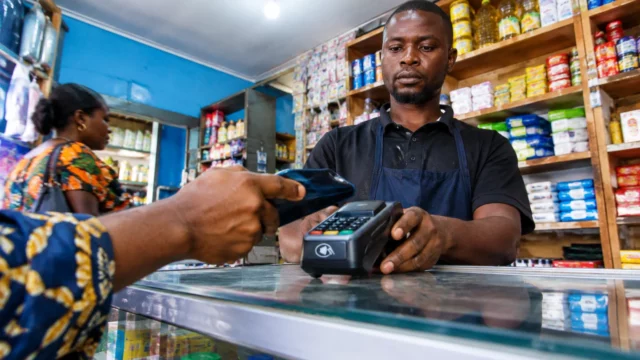
A court fee payment should leave a verifiable record, wherever it is made. In the Democratic Republic of the Congo (DR Congo), a new programme aims to digitise these payments and link courts with prosecutors’ offices and prisons. Its significance goes beyond IT modernisation: it affects public revenue, case tracking and the relationship between citizens and the justice system.
Better-tracked payments, a connected judicial network
The initiative was launched in Kinshasa on 5 November 2026 by the Ministry of Justice, with technical support from the United Nations Development Programme (UNDP) and financial backing from the European Union. The Minister of State for Justice, Guillaume Ngefa Atondoko Andali, presented the programme as a step towards modernisation and greater transparency.
The system provides for a digital solution to pay court fees. It is intended to gradually replace manual collection mechanisms and make it possible to verify transactions, amounts collected and the courts involved. At the same time, courts, prosecutors’ offices — the services responsible, among other things, for prosecuting offences — and prisons are to be able to exchange data more easily.
The programme also provides for user training, tool maintenance and stronger IT teams. These elements will be crucial: a payment system cannot deliver lasting results if staff are not trained, equipment breaks down or remote sites lack a reliable connection.
A budgetary issue, but also a public service
Court revenue is estimated at 207.4 billion Congolese francs for 2026, or about $80.2 million. This is a budget forecast, not an amount already collected. The 2026 draft finance law lists this sum among expected non-tax revenues. Digital tracking could help the state identify discrepancies between amounts due, payments made and revenue remitted.
For users, the reform also promises receipts that are easier to keep and check. Going paperless could reduce the risk of lost receipts, overcharging or irregular collection. But these benefits will depend on clear rules: fees must be accessible, payment methods appropriate and avenues of appeal available when a transaction is disputed.
The impact will not be the same everywhere. Courts in Kinshasa could benefit sooner from available networks and equipment. In the provinces, deployment will depend more heavily on access to electricity and the internet, as well as regular technical support. Citizens who make little use of banking or digital services will also need to be able to pay and obtain a receipt without facing additional obstacles.
A step in a reform already under way
The project builds on digital tools previously introduced in the judicial sector. UNDP says these systems have helped register more than 6,600 judges and track more than 45,000 detainee cases. These results show that initial management infrastructure is already in place. They do not, however, establish that the new payments will be transparent or that cases will move seamlessly between institutions.
The programme is part of the Joint Programme to Support Justice Reform in DR Congo for 2025–2029. Monitoring is to cover the number of connected sites, the volume of digitised payments, secured revenue, processing times and user satisfaction. These indicators will help distinguish the official launch from actual implementation, which will be measured in courts and prison services.
The institutional context matters. Several services are responsible for collecting court revenue, while the operation of courts involves actors distinct from the executive branch. Coordination between the ministry, judicial authorities and revenue collection services will therefore be essential. Transparency also requires independent oversight and complaints mechanisms, not just digital data.
Results to be measured beyond Kinshasa
Nationwide, the test will be one of equity: digitisation must make procedures easier without making justice less accessible to people far from major centres. It will also need to protect sensitive data relating to proceedings, judges and detainees. Information-sharing can improve coordination, but requires safeguards governing access to, retention of and security for records.
The regional dimension is tangible, even though the programme is national. DR Congo is a member of the Economic Community of Central African States (ECCAS), which brings together countries in Central Africa. A judicial administration able to track its revenue and cases contributes to regional issues of public governance and institutional cooperation. For now, no specific regional deadline has been announced for the project.
The next step will therefore be effective deployment: which sites will be connected first, how will payments be checked and what alternatives will be available in the event of an outage? The answers will show whether the tool genuinely improves services for Congolese people, in Kinshasa and the provinces, and makes revenue more verifiable without creating new barriers to access.
Background sources: report on the launch in Kinshasa, 2026 budget document from the Ministry of Budget and UNDP review of digital tools in the justice system.