Algeria
 Egypt
 Libya
 Morocco
 Sudan
 Tunisia
 Benin
 Burkina Faso
 Cabo Verde
 Côte d'Ivoire
 Ghana
 Guinea
 Guinea-Bissau
 Liberia
 Mali
 Mauritania
 Niger
 Nigeria
 Senegal
 Sierra Leone
 The Gambia
 Togo
 Cameroon
 Central African Republic
 Chad
 DR Congo
 Equatorial Guinea
 Gabon
 Republic of the Congo
 São Tomé and Príncipe
 Burundi
 Comoros
 Djibouti
 Eritrea
 Ethiopia
 Kenya
 Madagascar
 Mauritius
 Mozambique
 Rwanda
 Seychelles
 Somalia
 South Sudan
 Tanzania
 Uganda
 Angola
 Botswana
 Eswatini
 Lesotho
 Namibia
 South Africa
 Zambia
 Zimbabwe
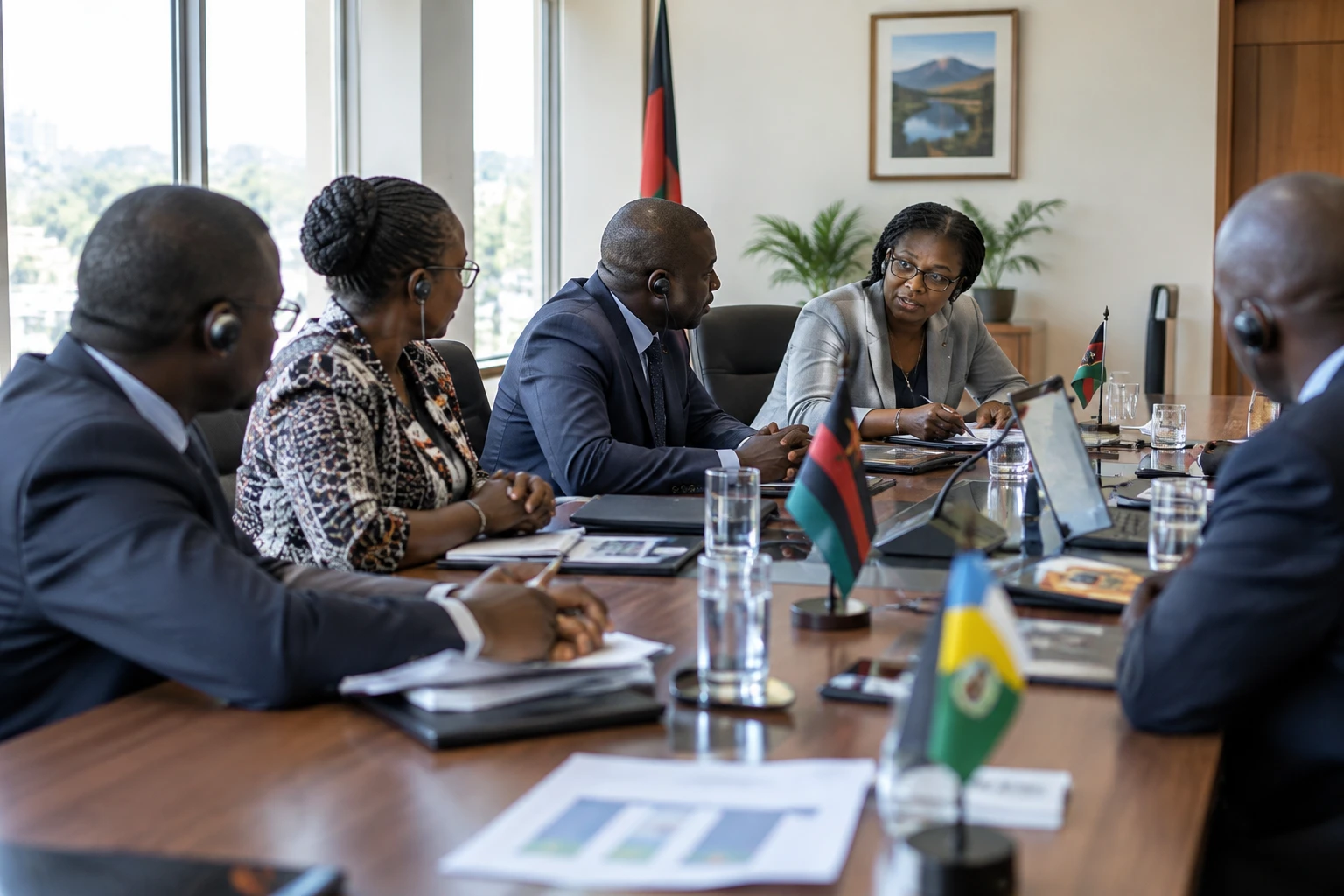
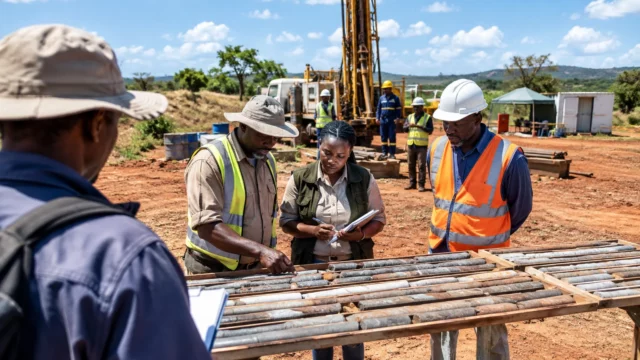
At Kanyika, in northern Malawi, the question is no longer just who will finance a future niobium mine. It is also necessary to determine who will run it, which stages have actually begun and how benefits will be shared with neighbouring communities.
The project is in Mzimba district, far from the capital, Lilongwe. Its progress is of interest to the government, Australian company Globe Metals & Mining, Chinese group Sinomine and residents affected by the development of the site. But public announcements do not all describe the same stage of the project.
An old project at the heart of Malawi’s mining ambitions
Malawi is seeking to develop a still modest mining sector and diversify an economy in which agriculture remains central. Kanyika is presented as a project that could add niobium and tantalum to the country’s mined resources. Niobium is used in particular to produce stronger steels for infrastructure and industry.
This ambition is also part of southern African trade. Malawi belongs to the Southern African Development Community (SADC), which brings together states in the region and encourages economic co-operation. Local production could strengthen the country’s place in mining value chains, provided extraction is accompanied by processing capacity, jobs and public revenue.
The national framework matters as much as the geological potential. Malawi’s mining and minerals regulatory authority, the MMRA, monitors the permit and the project’s obligations. It recently called on stakeholders to discuss obstacles delaying Kanyika. It also met residents of neighbouring communities. The MMRA describes the delays and local discussions.
Sinomine could take on a broader role
Globe Metals & Mining holds the project through subsidiaries. A pre-development collaboration agreement with Sinomine has already involved the Chinese group in preparatory and engineering work. The agreement, announced by Globe in January 2026, did not by itself mean that Sinomine had become the owner of the deposit.
Subsequently, information published in September reported confidential, non-binding discussions about a possible acquisition of the company that indirectly holds Globe’s stake in Kanyika. The valuation mentioned was about $80 million. This was an indication of interest, not a completed sale. The terms and outcome of the negotiations therefore remain to be established.
The material provided refers to a meeting with Malawi’s Minister of Mines, Thoko Tembo, and says that Sinomine could lead development and operations. This development could not be corroborated by a second independent source in the information available. It should therefore be treated as an announcement to be confirmed, not as a transfer of control that has already been agreed.
Caution is also warranted over the timeline. In January 2026, Globe announced the start of preliminary construction work, with first production envisaged in the first quarter of 2028. More recently, the MMRA reported that the project was experiencing long-standing delays. An announcement that preparatory work has begun does not mean that all infrastructure is financed or that production is assured.
Financing, timelines and local benefits
Technical feasibility does not settle the question of financing. Globe’s study, published in March 2026, envisaged development in several stages and put the investment required for the first phase at $139 million, according to the data provided in the dossier. These figures have not been independently confirmed here. They should be read as project estimates, liable to change with technical choices and costs.
According to the text provided, the Chinese group would prefer to build the whole project in a single phase rather than follow the phased scenario. An integrated construction project could alter financing needs, the timeline and the infrastructure required. Until a definitive decision is made public, it is impossible to assess the difference between the two options or to say which will be chosen.
For residents of Mzimba district, the project’s value will also depend on its tangible effects: access to jobs, contracts for local businesses, any compensation and the management of environmental impacts. The MMRA says it has held discussions with communities near the site, while Globe has communicated on community development measures. These commitments will need to be monitored in practice, not merely announced.
The benefits could vary among stakeholders. The state expects revenue and investment; companies are seeking a viable project; neighbouring communities need precise information about land, jobs and potential disruption. National benefits do not automatically guarantee an equitable distribution at local level.
What the next steps need to clarify
For Malawi, Kanyika is as much a test of mining governance as an industrial gamble. Future announcements will need to clarify the status of negotiations with Sinomine, available financing, the construction model and regulatory deadlines. Independent confirmation of these points will make it possible to distinguish commercial intentions from decisions actually taken.
Regionally, the project’s progress will be watched by SADC countries that are also seeking to attract investment in strategic minerals. But competition for capital is no reason to dispense with transparency on permits, agreements and expected benefits. For Kanyika, the decisive question is therefore twofold: can the mine move from preparatory work to sustainable production, and will Malawians living near the site see the benefits?