Algeria
 Egypt
 Libya
 Morocco
 Sudan
 Tunisia
 Benin
 Burkina Faso
 Cabo Verde
 Côte d'Ivoire
 Ghana
 Guinea
 Guinea-Bissau
 Liberia
 Mali
 Mauritania
 Niger
 Nigeria
 Senegal
 Sierra Leone
 The Gambia
 Togo
 Cameroon
 Central African Republic
 Chad
 DR Congo
 Equatorial Guinea
 Gabon
 Republic of the Congo
 São Tomé and Príncipe
 Burundi
 Comoros
 Djibouti
 Eritrea
 Ethiopia
 Kenya
 Madagascar
 Malawi
 Mauritius
 Mozambique
 Rwanda
 Seychelles
 Somalia
 South Sudan
 Uganda
 Angola
 Botswana
 Eswatini
 Lesotho
 Namibia
 South Africa
 Zambia
 Zimbabwe
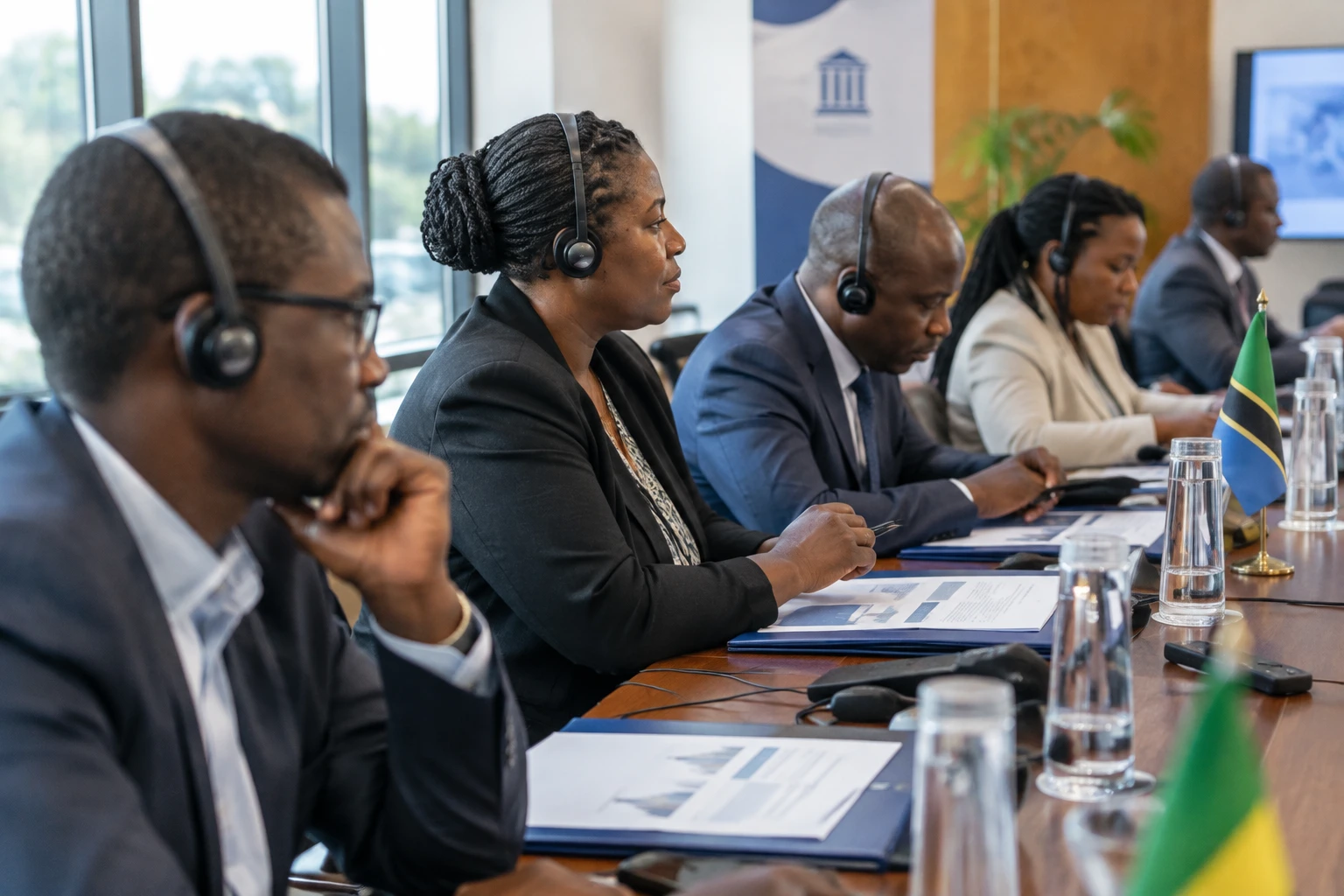
The verdict expected on 6 November in the case of Tundu Lissu goes beyond the fate of an opposition leader. In Tanzania, it tests the ability of institutions to handle a politically sensitive case without conflating dissent against the government with a threat to the state.
A trial set against a tense election year
Tanzania is a member of both the East African Community (EAC), which promotes regional integration, and the Southern African Development Community (SADC). These memberships give regional significance to debates about its elections and civil liberties. The country has been led since 2021 by President Samia Suluhu Hassan of the ruling party, Chama Cha Mapinduzi (CCM).
The October 2025 general election took place amid heightened tensions. Chadema, the main opposition party, was unable to take part after being excluded from the electoral process. Tundu Lissu, its leader, was in detention at the time. An African research centre had noted before the election that the space available to the opposition and the credibility of the process were major issues. The Africa Center for Strategic Studies’ analysis of Tanzania’s elections places these tensions within a political trajectory marked by repeated calls for electoral reform.
Lissu’s case is therefore part of a broader question: how far can opponents challenge the rules of the political game without facing criminal prosecution? The answer depends on the facts established in court, but also on public confidence in the independence and fairness of the proceedings.
What the court must decide
The High Court in Dar es Salaam is due to deliver its verdict on Friday 6 November 2026. Hearings ended on 29 September, after final submissions by the prosecution and defence, according to the Tanzanian daily The Citizen. The independent daily The Chanzo also reported on the prosecution’s closing arguments and the date set for the verdict.
Arrested on 9 April 2025, Lissu is charged with treason. The prosecution alleges that he called for the 2025 general election to be prevented. During closing arguments, prosecutors said the testimony of 17 people had established the alleged offences. Lissu disputes this account and argued that the evidence presented did not prove his guilt. These are the parties’ positions: only the judgment will show how the judges assess them.
The proceedings have also been marked by disputes over the opposition leader’s access to his lawyers. In 2025, the United Nations Working Group on Arbitrary Detention documented allegations of restricted and non-confidential consultations, while also setting out the material submitted as part of its procedure. The UN Working Group’s opinion thus sheds light on defence safeguards, distinct from the question of guilt.
More recently, his lawyer said prison authorities were failing to comply with a court ruling guaranteeing confidential exchanges with the detainee. The Citizen reported the allegation, as well as Lissu’s threat to resume a hunger strike. The significance of this episode is institutional: a court ruling effectively protects a defendant’s rights only if it is implemented.
Political consequences beyond Chadema
A conviction would deprive Chadema of its president at a time when it has already been excluded from the 2025 election. It could reduce the party’s ability to advance its calls for reform and organise its political activity. Conversely, an acquittal would not, on its own, resolve disputes over access to elections, civil liberties or trust in institutions.
The effects would be felt beyond political leaders. Activists and voters would have to assess the possibilities for legal participation and dissent. Economic actors are also watching institutional stability, although the judicial outcome alone cannot predict the economic consequences. It is therefore important to distinguish the immediate effect on the opposition from the broader questions the verdict will not resolve.
Lissu survived an armed attack in 2017 in which he was seriously injured. This history explains the attention paid to his safety, but does not constitute evidence in the current case. Similarly, concerns expressed by human rights organisations about democratic space should be reported as such, without taking the place of the evidence considered by the judges.
A signal watched across the region
The verdict will be followed in Tanzania, but also across the region. Debates over the conditions for political competition, prosecutions targeting opponents and the enforcement of judicial safeguards are playing out in several countries in East and Southern Africa. For Tanzania’s partners in the EAC and SADC, the issue is not limited to the decision concerning one man: it concerns how institutions manage political disagreements.
At this stage, no verdict has been delivered. The points to watch are clear: the judges’ reasoning, the immediate consequences of their decision and the effective protection of defence rights. These will help determine whether the case opens the way to judicial clarification or deepens the divide between the government and the opposition.