Algeria
 Egypt
 Libya
 Morocco
 Sudan
 Tunisia
 Benin
 Burkina Faso
 Cabo Verde
 Ghana
 Guinea
 Guinea-Bissau
 Liberia
 Mali
 Mauritania
 Niger
 Nigeria
 Senegal
 Sierra Leone
 The Gambia
 Togo
 Cameroon
 Central African Republic
 Chad
 DR Congo
 Equatorial Guinea
 Gabon
 Republic of the Congo
 São Tomé and Príncipe
 Burundi
 Comoros
 Djibouti
 Eritrea
 Ethiopia
 Kenya
 Madagascar
 Malawi
 Mauritius
 Mozambique
 Rwanda
 Seychelles
 Somalia
 South Sudan
 Tanzania
 Uganda
 Angola
 Botswana
 Eswatini
 Lesotho
 Namibia
 South Africa
 Zambia
 Zimbabwe
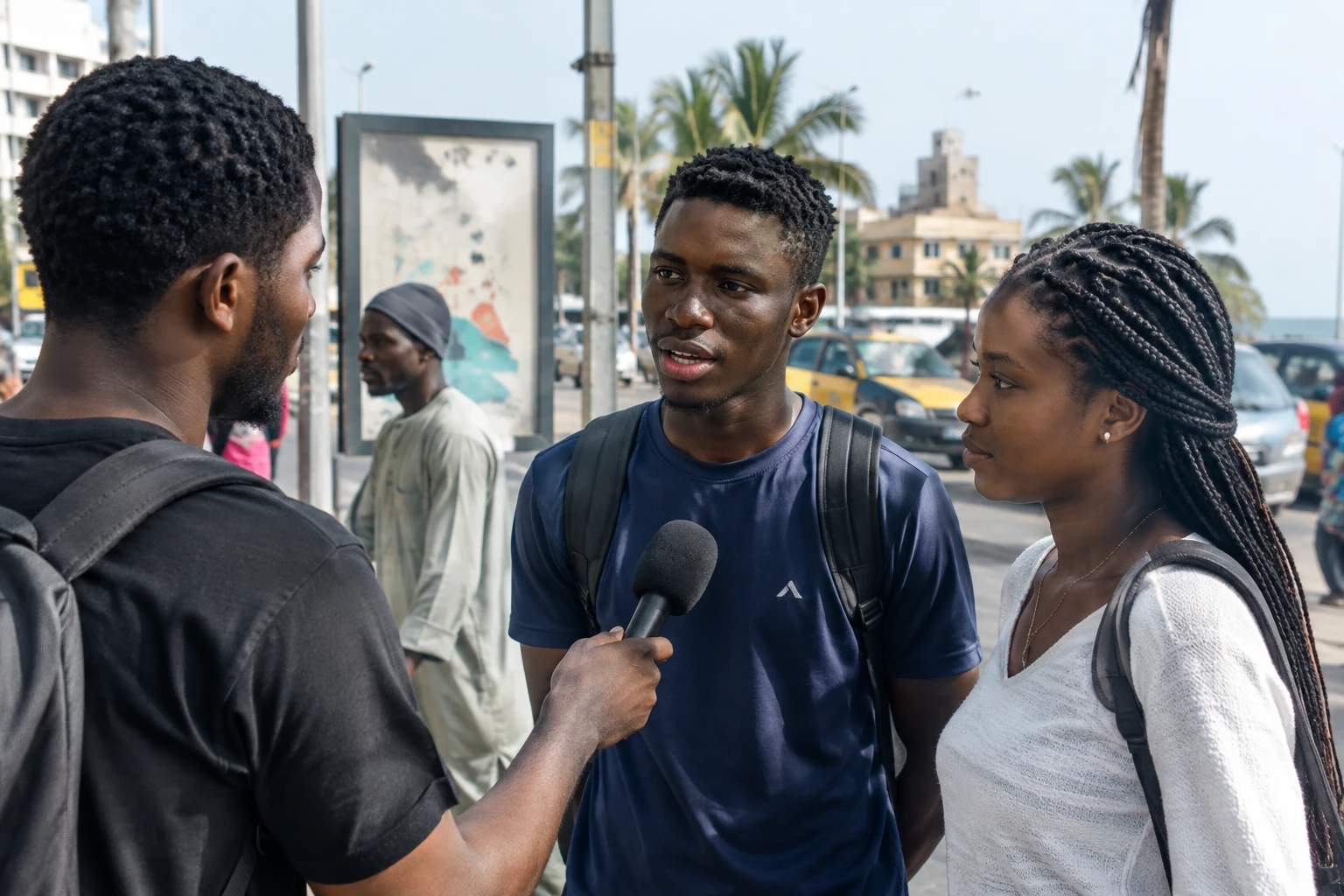
In Dakar, 3×3 basketball offers Côte d’Ivoire an international stage where every possession counts. For the young Ivorian players, the stakes are twofold: to measure themselves against the best teams of their generation and to raise the profile of a sport gaining ground in the region.
An African event, with a place to claim
The Youth Olympic Games (YOG) will be held from 31 October to 13 November 2026 in Senegal. The first edition of the competition to be held on the continent, they will bring together around 2,700 athletes at several venues in Dakar, Diamniadio and Saly. The programme includes 25 competitive sports, among them 3×3 basketball. The official Dakar 2026 YOG programme confirms the sport’s place in the event.
The 3×3 basketball tournament will be played in Dakar, at the Complexe Tour de l’Œuf, from 6 to 9 November. Côte d’Ivoire is among the qualified men’s teams, alongside Algeria and Senegal. Egypt and Kenya represent Africa in the women’s competition. The list of participants published by the International Basketball Federation (FIBA) confirms Côte d’Ivoire’s place in the men’s draw. The Senegalese Press Agency has also set out the African teams that qualified.
Qualification puts the young Ivorians in an international tournament, but does not guarantee a medal. Their opponents come from several parts of the world: Argentina, Germany, Mongolia and Singapore will also be competing. The level of the competition will therefore be measured as much by the ability to keep up the pace as by the quality of the team play.
A short format that demands quick decisions
3×3 is played on a half-court, with three players per team and one substitute. Matches last ten minutes, or end as soon as a team reaches 21 points. After taking possession, the attacking team has 12 seconds to attempt a shot. These rules, set out by FIBA, reduce stoppages and create more situations in which players must make quick decisions.
Each basket scored inside the arc is worth one point. A successful shot from beyond the arc is worth two. This difference gives outside shots significant value, without making drives and rebounds any less important. Players must defend, attack and sometimes win the ball back without an extended break. The official rules of 3×3 basketball explain this compact format.
For a young team, the format can reward intensity and initiative. But it leaves little time to correct a run of mistakes or put a complex strategy in place. Ball control, one-on-one defence and shooting accuracy can turn a game around in just a few possessions. However, no data published in the available information makes it possible to assess the Ivorian team’s medal chances precisely.
Beyond the result, a pathway to strengthen
Côte d’Ivoire’s participation also raises the question of developing 3×3 beyond major competitions. A presence at the YOG can raise the profile of young players and inspire new ways to play. For that exposure to lead to lasting pathways, accessible courts, trained coaches and regular opportunities to play will be needed, in Abidjan and other cities across the country.
Different stakeholders have different needs. Players need court time and appropriate coaching. Clubs and federations must organise competitions and support development. For families, participation also depends on access to facilities and the associated costs. The YOG provide a showcase, but cannot on their own replace this long-term work.
The regional context also matters. Senegal is hosting the event, while Algeria joins Côte d’Ivoire in the men’s tournament. This proximity could encourage exchanges between federations and young athletes, provided the connections made during the competition continue beyond November. FIBA also held a preparation camp in Dakar from 6 to 9 October, bringing together teams from several African countries, including Côte d’Ivoire, Senegal, Algeria, Kenya and Uganda.
A showcase for African sport, not an end in itself
The significance of the YOG goes beyond the medal table. Dakar 2026 marks the first time the Youth Olympic Games have been held in Africa. The competition puts African athletes at the heart of a global event on their own continent, while giving Senegal responsibility for hosting and organising it. The Associated Press notes that the Games bring together around 2,700 young people and include 153 medal events across 25 sports.
For Côte d’Ivoire, the men’s 3×3 tournament is a tangible opportunity to measure its rising players against teams from other continents. The next milestone will be the start of matches on 6 November, followed by the players’ ability to turn this exposure into useful experience. A medal remains a possible goal, not a foregone result. The most lasting legacy will also depend on what follows: more competitions for young players, sustained coaching and opportunities to play that remain accessible over time.