Algeria
 Egypt
 Libya
 Morocco
 Sudan
 Tunisia
 Benin
 Burkina Faso
 Cabo Verde
 Côte d'Ivoire
 Ghana
 Guinea
 Guinea-Bissau
 Liberia
 Mali
 Mauritania
 Niger
 Nigeria
 Senegal
 Sierra Leone
 The Gambia
 Togo
 Cameroon
 Central African Republic
 Chad
 DR Congo
 Equatorial Guinea
 Gabon
 Republic of the Congo
 São Tomé and Príncipe
 Burundi
 Comoros
 Djibouti
 Eritrea
 Ethiopia
 Kenya
 Madagascar
 Mauritius
 Mozambique
 Rwanda
 Seychelles
 Somalia
 South Sudan
 Tanzania
 Uganda
 Angola
 Botswana
 Eswatini
 Lesotho
 Namibia
 South Africa
 Zambia
 Zimbabwe
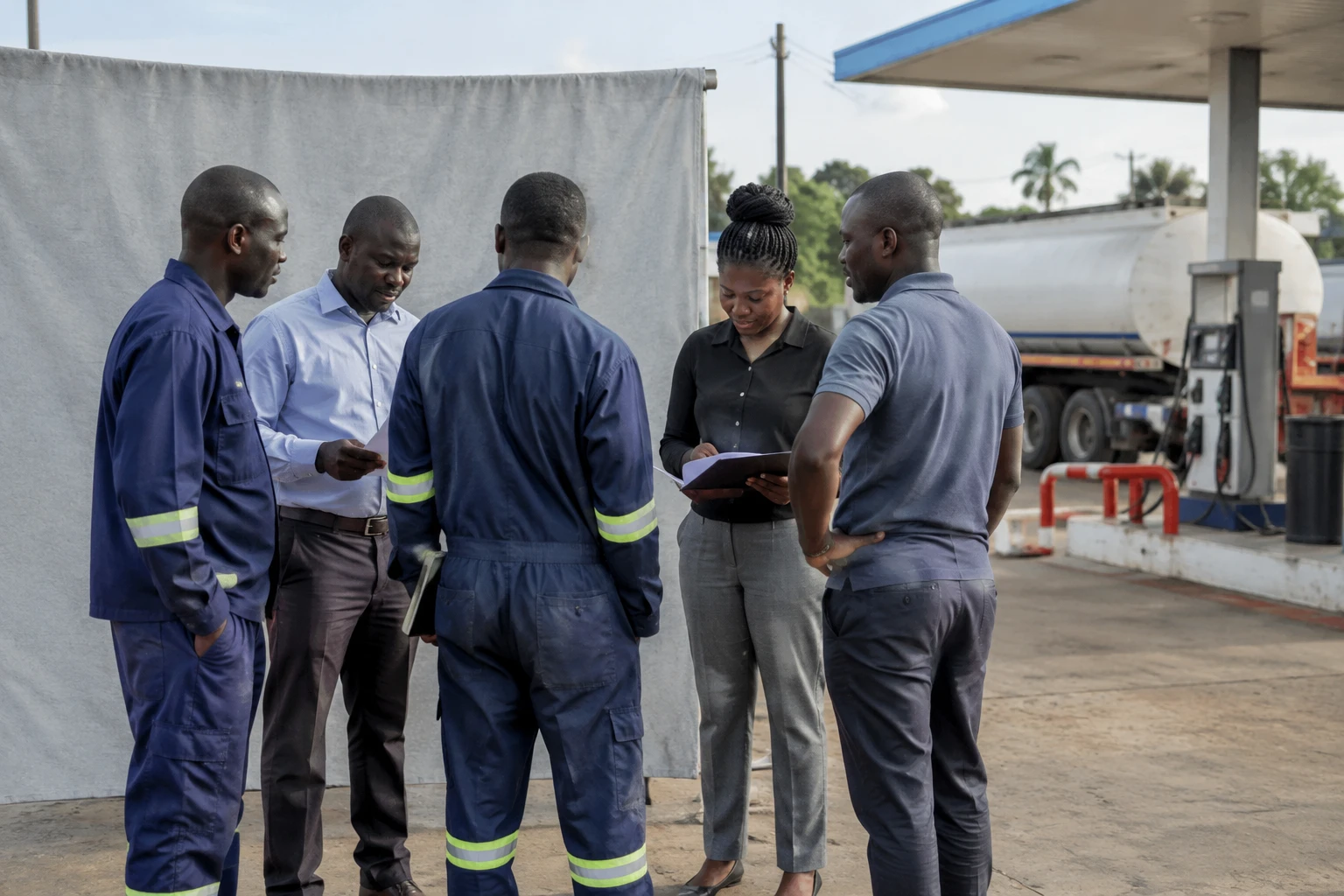
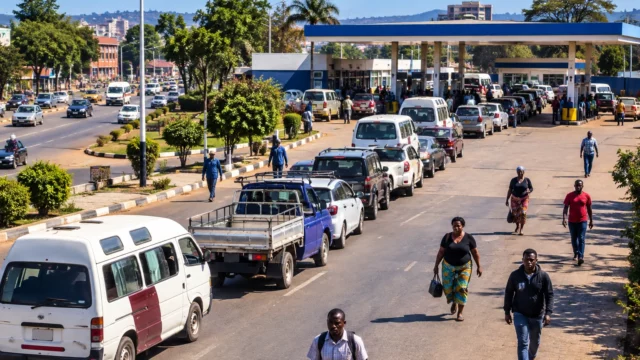
In Lilongwe, finding petrol can now take longer than a working day. For motorcycle taxi drivers, families and businesses, the long queues signal more than a shortage: they reveal how access to foreign currency affects daily life in Malawi.
A shortage that reaches beyond filling stations
Malawi imports the fuel it needs. Buying it requires dollars, which have become difficult to obtain in a country where export earnings do not cover import needs. The national oil company estimates consumption at about two million litres a day and the bill at $49 million a month. These figures, reported by several media outlets, give a sense of the pressure on foreign exchange reserves.
The problem is therefore not limited to cargo arrivals. Banks are struggling to honour letters of credit, while some suppliers demand advance payment. Fuel can be held up at regional ports for lack of the financial guarantees needed to continue its journey. The report on queues and difficulties paying for imports describes this chain of blockages.
At filling stations in Lilongwe, motorists and motorcyclists crowd in as soon as a delivery is announced. Some spend hours, or even nights, waiting. Distributors sometimes ration sales: a motorcycle taxi driver may receive only a few litres, while small cars are limited to a larger amount, which is also capped.
The official price also adds to the cost. GlobalPetrolPrices data available on 19 October 2026 show a high price for petrol in Malawi. The figure of $3.24 a litre reported in recent days should be treated as a dated estimate, not a stable price: amounts in kwacha and their conversion into dollars vary with official adjustments and the exchange rate. On the informal market, sellers demand much more, making it difficult to turn work-related journeys into a profit.
An economy weakened by foreign currency shortages
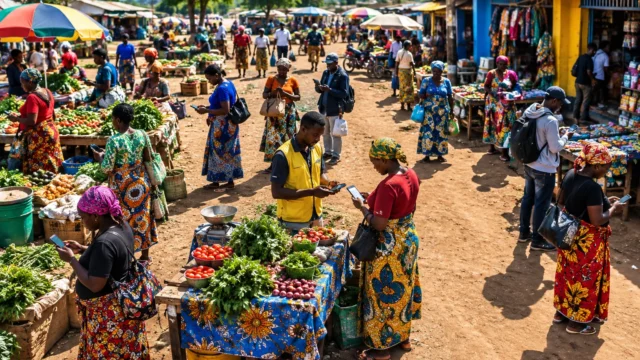
The crisis comes amid severe economic constraints. Agriculture remains essential to the country’s income and economic activity, while exports remain concentrated, particularly in tobacco. Revenue from overseas sales must finance imports of fuel, fertiliser, medicines and goods needed by businesses.
The World Bank says foreign currency shortages, fuel disruptions and limited access to inputs are holding back industry and agriculture. It estimates that economic activity grew by 2.5% in 2025, too slowly to significantly improve per capita incomes. In its economic assessment of Malawi, the institution also notes difficulties accessing fertiliser and supply interruptions that weigh on production.
When fuel is scarce, the consequences spread far beyond motorists. Motorcycle taxi drivers lose hours of work and sometimes have to choose between buying petrol at a steep price and giving up a day’s income. Transport operators pass some of their costs on to passengers and goods. In rural areas, the transport of crops and inputs becomes less reliable. Low-income households, already facing a rising cost of living, have little room to absorb these expenses.
The government has announced that it has secured 23.6 million litres of petrol and diesel. Energy Minister Jean Mathanga said more than 11 million litres were still in transit, while some supplies were beginning to reach filling stations. The pan-African news agency APA also reported the announcement. This supply may ease the pressure temporarily, but the authorities have not said how long the stocks will meet demand. APA reports the announced volumes and their delivery.
An urgent response, structural choices
The queues have a political dimension. In the presidential election on 16 September 2025, economic difficulties, the cost of living and shortages were among voters’ concerns. Arthur Peter Mutharika won the election and took office on 4 October. The current shortage is therefore testing the new administration’s promises of recovery, though the crisis cannot be resolved by a single fuel delivery.
Malawi is a member of the Southern African Development Community, SADC, which brings together states in the region around goals of integration and development. Landlocked, the country depends on transport corridors running through the ports of neighbouring countries, notably Tanzania and Mozambique. The availability of foreign currency and the reliability of these routes together determine how quickly supplies arrive. Malawi’s difficulties thus serve as a reminder that energy security also depends on payments, infrastructure and regional co-operation.
In the short term, promised cargoes and emergency financing mechanisms will be crucial to reducing queues. In the longer term, the challenge is to make imports less vulnerable to shocks and broaden sources of foreign currency. The World Bank identifies foreign exchange shortages as a lasting constraint on investment and production. As long as these constraints persist, a tanker arriving in Lilongwe may give motorists relief without solving the problem that keeps them waiting.