Algeria
 Egypt
 Libya
 Morocco
 Tunisia
 Benin
 Burkina Faso
 Cabo Verde
 Côte d'Ivoire
 Ghana
 Guinea
 Guinea-Bissau
 Liberia
 Mali
 Mauritania
 Niger
 Nigeria
 Senegal
 Sierra Leone
 The Gambia
 Togo
 Cameroon
 Central African Republic
 Chad
 DR Congo
 Equatorial Guinea
 Gabon
 Republic of the Congo
 São Tomé and Príncipe
 Burundi
 Comoros
 Djibouti
 Eritrea
 Ethiopia
 Kenya
 Madagascar
 Malawi
 Mauritius
 Mozambique
 Rwanda
 Seychelles
 Somalia
 South Sudan
 Tanzania
 Uganda
 Angola
 Botswana
 Eswatini
 Lesotho
 Namibia
 South Africa
 Zambia
 Zimbabwe
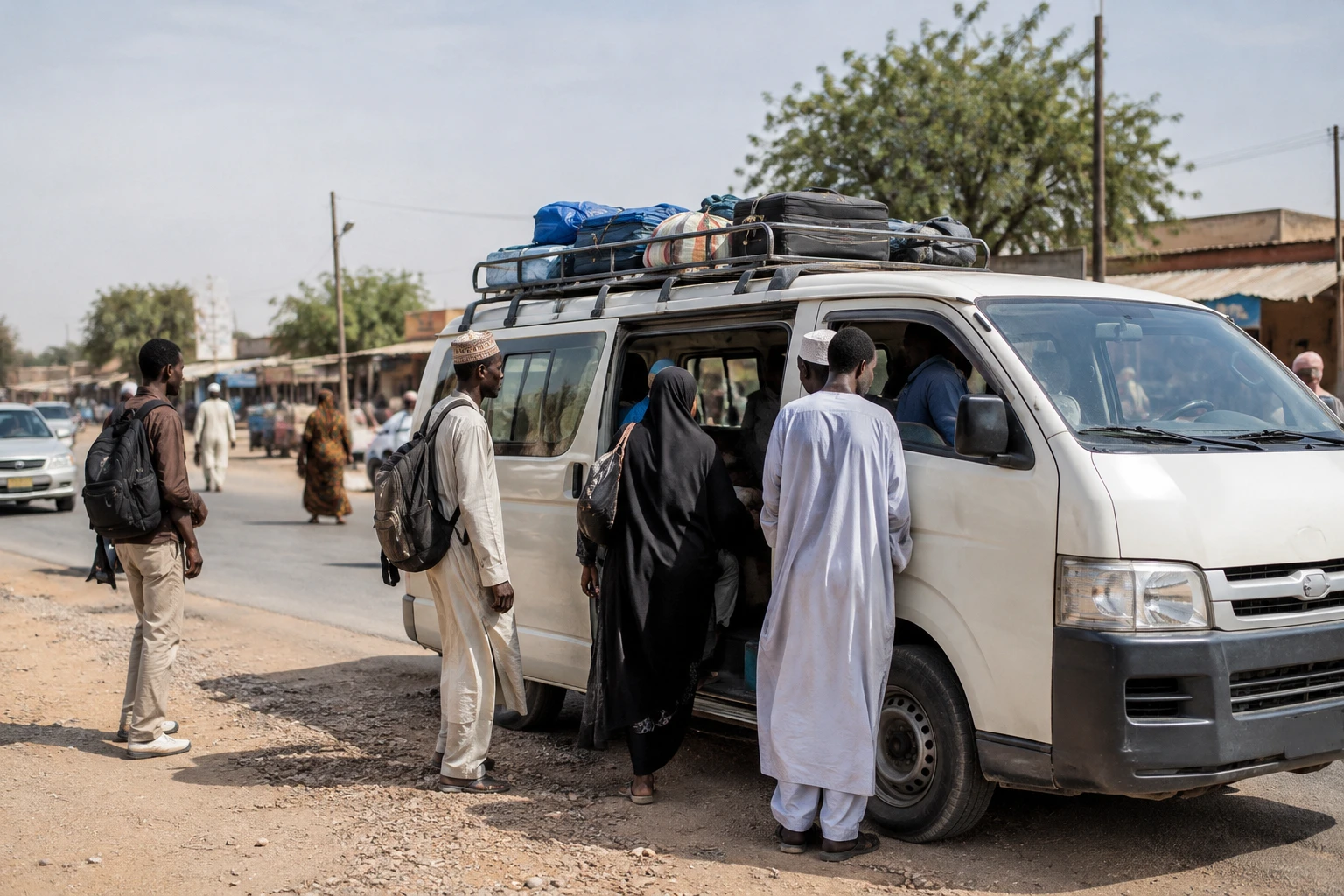
In eastern Chad, the border with Sudan is no longer merely a route for displaced families and local trade. Reported strikes on both sides now pose a direct risk to Chadian residents, while the origin of the attacks often remains disputed or unknown.
In Bamina, in Wadi Fira province, a drone strike on Monday 19 October killed civilians and injured several people. But the reported tolls do not fully match. The discrepancy highlights the need for an independent investigation, as Sudan’s war regularly spills over into neighbouring territory.
Bamina death toll remains disputed
Chadian provincial authorities reported four deaths and 14 injuries. Brahim Issa Galmaï, the government’s general representative in Wadi Fira, visited the area and the district hospital in Tiné Djagarba. He offered the authorities’ condolences and called for the origin of the strike to be established.
Government spokesman Gassim Chérif Mahamat rejected accusations implicating the Chadian army. He said the national forces were not responsible. At this stage, however, no party has claimed the attack and the precise circumstances have not been established.
A separate account from the Council of Emergency Committees in the town of Tiné, a Sudanese community support network, puts the death toll at five: three displaced people and two volunteers. The group also reports serious injuries and difficulties verifying the situation because communications have been interrupted. This information alone is not enough to resolve the discrepancy between the tolls. The figures must therefore be attributed separately, rather than presenting a single number as definitively confirmed.
The difference may reflect the locations covered or the times at which the information was gathered, but this remains to be verified. The official Chadian figure is four dead and 14 injured; the community network reports five deaths in a separate account. An investigation will need to establish the exact impact site, identify the victims counted and determine what evidence could identify the drone.
A border exposed to Sudan’s war
Since 15 April 2023, the Sudanese army and the Rapid Support Forces (RSF), a paramilitary group fighting the army, have been battling for control of the country. In North Darfur, fighting and air operations are approaching border towns. Tiné and the routes linking it to eastern Chad are used both by civilians on the move and for trade.
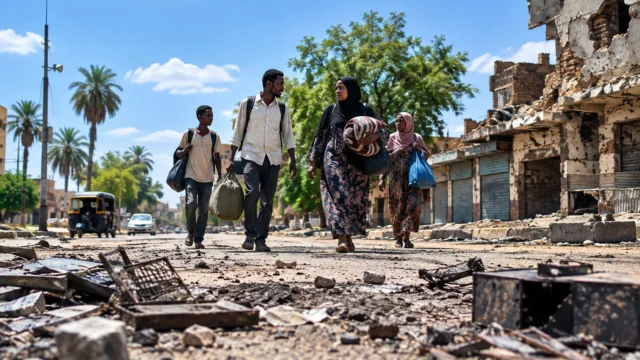
This proximity creates a difficult situation for residents: communities and family ties cross the border, while fighting and armed movements follow military logic. Sudanese refugees, Chadian families living in border areas and community aid volunteers may therefore be exposed, even when they are not taking part in the clashes.
Bamina has also featured in previous reports of strikes and incursions into Chad. In July, a Chadian official reported civilians wounded and shops damaged in the area, following an attack that local sources attributed to a drone from Sudan. These incidents do not prove who carried out the 19 October strike. They nevertheless show that cross-border incidents are recurring and that accusations circulate before responsibility is established.
The region has already seen a deadly attack in Tiné in March. The United Nations in Chad reported 17 civilian deaths at the time, a figure distinct from the initial assessments circulated in the following days. This precedent helps explain fears that the conflict could spread, but does not allow a conclusion that the attacks are linked. Each incident must be documented separately.
Investigation, civilian protection and regional pressure
For the authorities in N’Djamena, the investigation must answer concrete questions: where did the drone take off from, what was it targeting, and who controlled it? Verifiable evidence — debris, flight path, corroborated testimony and medical records — can help distinguish facts from accusations. Without a substantiated conclusion, naming a perpetrator could inflame tensions with a neighbour already engulfed in war.
The immediate priority is also to protect residents. The injured must be able to access medical care; volunteers and support organisations must be able to operate without being targeted. In areas where communications are unreliable, confirming casualty figures quickly becomes more difficult. This difficulty is no reason to dismiss testimony, but it does make it essential to specify who is reporting each piece of information and when.
Chad has hosted Sudanese refugees through several waves of displacement, while also facing the needs of local communities in the east. Increased insecurity along the border would therefore affect displaced people, Chadian households and local businesses alike. The impact is not limited to military posts: disrupted roads, troubled markets and restricted access to services can affect people far from the fighting.
The regional framework also matters. Chad belongs to CEMAC, the Economic and Monetary Community of Central Africa, but Sudan is not a member. Managing this crisis therefore depends above all on bilateral co-operation, African Union mechanisms and diplomatic efforts around the Sudanese conflict. The border links the humanitarian consequences for the two countries, but does not make CEMAC a direct framework for resolving the war.
What happens next will depend on the Chadian authorities’ ability to report the findings of their investigation and secure civilian areas without prematurely attributing the strike. Movements around Tiné and access to medical care and aid will also need to be monitored. In Bamina, establishing the facts is essential: for bereaved families, for the injured and to prevent unverified accusations from becoming a further source of escalation.